Musk Says SpaceX Closed $40 Billion GPU Financing Deal as AI Cloud Shakeout Looms
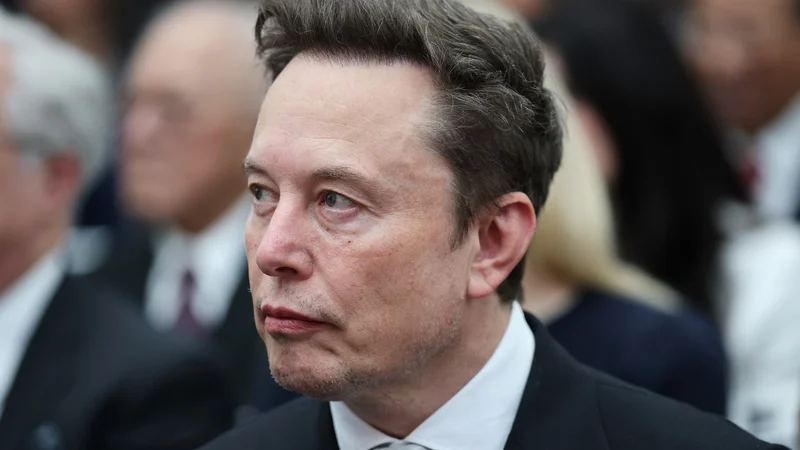
Image: Cnbc
Main Takeaway
SpaceX has closed $40 billion in financing for Nvidia GPUs, Elon Musk said, linking the company’s AI expansion to Starlink and launch revenue while warning of cloud failures.
Jump to Key PointsSummary
SpaceX’s financing announcement
SpaceX has closed a $40 billion financing deal to buy Nvidia GPUs for artificial intelligence data centers, Elon Musk said in a post on X on Oct. 25. The borrowing gives the rocket and satellite company funding for a large wave of computing equipment scheduled to arrive in 2027, according to coverage of the announcement by CNBC, Bloomberg AI and The Next Web.
Musk said SpaceX’s investment-grade status, Starlink revenue and launch business support its access to debt markets. The structure has been described as mostly callable debt in some accounts, while Bloomberg AI reported that SpaceX signed an equipment-finance lease with Apollo Global Management. The differing descriptions point to a financing package rather than a simple corporate loan.
What the money will buy
The financing is tied to Nvidia processors that SpaceX plans to use for AI computing, with initial deliveries reported for the first half of 2027. The scale would make SpaceX one of Nvidia’s largest customers and extend its technology ambitions beyond launch services and Starlink, according to reporting summarized by Tech-insider and Investor’s Business Daily coverage.
Earlier accounts described a proposed financing mix of about $10 billion in bank loans and $30 billion in investment-grade debt, with PIMCO among the institutions involved in discussions. Bloomberg AI later identified Apollo as the equipment-finance partner. SpaceX’s AI plans have also been linked to data-center capacity in Memphis and an orbital computing project called Starmind, although the financing announcement itself centers on GPU purchases.
Why debt matters for AI compute
The deal shows how AI infrastructure is shifting from an equipment-purchase problem into a capital-markets business. GPU demand requires billions of dollars before a data center generates revenue, so financing terms, collateral and long-term customer contracts increasingly shape which operators can expand.
SpaceX can point to several revenue streams when it raises capital: Starlink subscriptions, rocket launches and its investment-grade standing. Investorplace compared the model to lending against a house, where the asset supports long-term borrowing. That structure gives diversified companies a financing advantage over operators whose balance sheets depend almost entirely on rented GPU capacity.
Musk’s warning for neoclouds
Musk used the announcement to warn that many AI neocloud companies will fail or merge as credit conditions tighten. Neoclouds rent specialized GPU capacity to businesses and AI developers, but their expansion depends on heavy borrowing, chip availability and sustained demand for computing.
CoreWeave and Nebius were identified as vulnerable examples in commentary surrounding the announcement. The financing reinforces a divide between large, diversified borrowers and smaller AI infrastructure firms that face higher funding costs. Fox Business described the warning as evidence that debt markets have become inaccessible to many companies, while InvestingLive framed the expected consolidation as a shakeout among pure-play GPU providers.
Market and competitive effects
Nvidia stands to gain from SpaceX’s planned purchase because the transaction represents a major commitment to future GPU demand. Apollo, banks and asset managers also gain exposure to AI infrastructure finance through equipment leasing and debt rather than direct ownership of an AI model company.
The financing has wider consequences for space and technology stocks. Earlier reports of the plan pressured SpaceX shares and weighed on Rocket Lab, AST SpaceMobile and a space-focused exchange-traded fund, according to AOL’s summary of market moves. The reaction reflects investor concern about leverage as well as the strategic value of compute. SpaceX must convert a huge chip allocation into revenue from AI services while continuing to fund rockets and Starlink.
What happens next
The next test is execution: chip deliveries, data-center construction, deployment costs and revenue from the AI systems SpaceX intends to operate. The debt structure also matters because callable obligations and equipment leases can change refinancing needs as interest rates and GPU economics move.
The announcement has been repeated across financial and technology outlets, but several practical details remain tied to Musk’s post or early reporting, including the final mix of loans, leases and debt and the precise role of Apollo, PIMCO and other capital providers. SpaceX’s ability to build computing capacity on schedule will determine whether the transaction becomes a durable AI expansion or an expensive bet attached to its existing businesses.
Key Points
SpaceX closed $40 billion in financing for Nvidia GPUs supporting planned AI data centers and computing infrastructure.
Elon Musk cited Starlink revenue, launch revenue and SpaceX’s investment-grade status as borrowing support.
Apollo Global Management reportedly arranged an equipment-finance lease tied to SpaceX’s GPU purchase.
Musk warned that tighter credit markets will force many AI neoclouds into failure or consolidation.
Nvidia, CoreWeave, Nebius and space-sector stocks face consequences from the large financing commitment.
Questions Answered
SpaceX closed or arranged approximately $40 billion in financing for Nvidia GPUs, Elon Musk said. Reports describe the package as debt and an equipment-finance lease, with Apollo Global Management identified as a participant by Bloomberg AI.
SpaceX is borrowing the money to fund AI data centers and related computing capacity. The GPUs are expected to arrive in 2027 and support the company’s broader artificial intelligence ambitions.
Apollo Global Management was reported as the equipment-finance partner for the SpaceX transaction. Earlier financing discussions also involved banks, asset managers and PIMCO, with reports describing a possible mix of loans and investment-grade debt.
Elon Musk warned that many AI neocloud companies will fail or merge as debt markets tighten. GPU-cloud providers face high equipment costs, substantial borrowing needs and pressure to maintain demand for rented computing capacity.
SpaceX is expected to receive its first Nvidia GPU deliveries during the first half of 2027. The equipment is intended for AI computing and data-center expansion.
Source Reliability
33% of sources are trusted · Avg reliability: 67
Go deeper with Organic Intel
Simple AI systems for your life, work, and business. Each one includes copyable prompts, guides, and downloadable resources.
Explore Systems