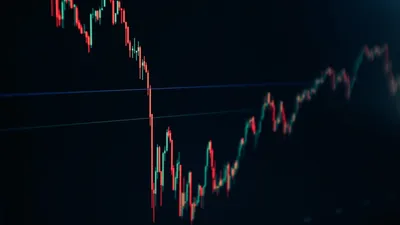
Jefferies Downgrades Apple as iPhone Expectations, AI Timing and Glass Model Plans Face Pressure
Image: Cnbc
Main Takeaway
Jefferies downgraded Apple to underperform and cut its price target to $263.66, citing weaker iPhone expectations, delayed AI progress and an all-glass model setback.
Jump to Key PointsSummary
Jefferies turns more cautious
Jefferies downgraded Apple to underperform from hold and reduced its price target from $285.56 to $263.66, according to Bloomberg AI, Fortune AI and Bloomberg AI’s market report. The change reflects concern that investors have priced in stronger iPhone growth than the company’s product pipeline supports.
CNBC reports that Jefferies sees roughly 20% downside from the stock’s level at the time of its earlier report. Other coverage describes the move as part of a broader increase in bearish ratings, while Roic cites a weaker revenue outlook and softer iPhone demand as the central financial concerns. The sources differ on some rating and target details, but agree that Jefferies has turned more negative on Apple’s near-term outlook.
The all-glass iPhone setback
The most specific product concern is a reported cancellation of Apple’s planned all-glass iPhone, which supply-chain checks tied to a 20th-anniversary model expected in September 2027. CNBC, Barchart and Seekingalpha report that poor production yields contributed to the setback, limiting a product that Jefferies viewed as a route to higher average selling prices.
Stocktwits also reports the cancellation, while Barchart says the decision weakens Apple’s ability to create a premium pricing step-up. The reports describe the model as an ambitious design rather than a current product, so the immediate effect is on expectations and valuation rather than existing iPhone sales. Apple hasn’t been reported as publicly confirming the cancellation in the supplied coverage.
Why iPhone expectations matter
Jefferies’ broader argument is that Wall Street’s optimism around upcoming iPhones has outrun evidence of demand, according to CNBC, Roic and Finance.yahoo. The firm is concerned about expectations for the iPhone 16 and iPhone 17 lines, while analysts also question how quickly new hardware features can translate into a meaningful upgrade cycle.
The issue matters because Apple’s iPhone remains the company’s central hardware business and a major driver of its overall financial profile. A delayed premium model removes one anticipated catalyst, while softer demand would pressure sales growth and investor confidence. Fortune AI adds surging memory prices to the list of challenges, warning that component costs threaten margins as growth slows.
AI promises face a longer wait
Jefferies also sees a longer timetable for smartphones with genuinely advanced AI capabilities. Finance.yahoo reports that analyst Edison Lee believes “serious AI” smartphone technology is about 2 years away, while Roic describes Apple’s AI-related growth trajectory as subdued.
That view separates Apple’s current AI features from the larger upgrade driver investors expect. Apple has introduced AI capabilities through its software ecosystem, but the supplied reports say Jefferies doesn’t see smartphone hardware as ready to support the most advanced applications analysts envision. Bloomberg AI’s reporting adds that Apple is no longer viewed as the unquestioned supply-chain leader, raising questions about its ability to turn component and manufacturing advantages into the next major iPhone cycle.
Bearish signals spread
The downgrade arrives alongside a wider shift in sentiment toward Apple. Bloomberg AI and Fortune AI report that sell ratings have accumulated, with Fortune describing Apple as having its highest number of sell recommendations since shortly after Steve Jobs’ death. Investopedia’s headline also indicates that the downgrade came as JPMorgan lowered its view, although the supplied excerpt doesn't provide the details of that action.
The market reaction remains tied to expectations rather than a reported collapse in Apple’s current business. Stocktwits reports that shares fell after the downgrade, but also cites analyst Gene Munster’s view that Apple has a strong next 12 months. That counterpoint matters: the bearish case focuses on valuation, future product catalysts and AI timing, while the bullish case rests on Apple’s existing installed base, product demand and near-term execution.
What investors watch next
Investors will focus on Apple’s actual iPhone demand, gross margins, supply-chain updates and evidence that AI features are producing upgrades. Those indicators will test whether Jefferies’ concerns describe a temporary pause or a deeper slowdown in the product cycle.
The reported all-glass cancellation also leaves room for the product plan to change before 2027, since the sources describe supply-chain checks rather than an Apple announcement. For now, Jefferies has framed Apple’s risk around elevated expectations, premium hardware innovation and delayed AI impact. The company’s next earnings report and future product disclosures will provide the clearest evidence for judging that thesis.
Key Points
Apple received a Jefferies underperform rating as analysts questioned iPhone demand and future growth.
Jefferies cut Apple’s reported price target to $263.66 from $285.56 amid rising bearish sentiment.
Supply-chain checks reportedly indicated Apple canceled a 2027 all-glass iPhone over poor production yields.
Analysts said advanced AI smartphone capabilities remain about 2 years away from meaningful deployment.
Higher memory prices and weaker product catalysts threaten Apple’s growth expectations and profit margins.
Questions Answered
Jefferies downgraded Apple because it sees weaker iPhone demand, elevated product expectations and a slower AI smartphone growth path. The firm also cited a reported setback involving Apple’s planned all-glass iPhone.
Apple’s planned all-glass iPhone was reportedly canceled, according to supply-chain checks cited by Jefferies and several financial outlets. Apple hasn’t publicly confirmed the cancellation in the supplied reports, and poor production yields were cited as the reason.
Jefferies cut Apple’s reported price target to $263.66 from $285.56. Other supplied coverage lists different figures, reflecting separate reports or earlier target updates.
Jefferies analyst Edison Lee said serious AI smartphone technology is about 2 years away. The firm’s view is that current smartphone hardware and AI features haven't yet created the upgrade cycle investors expect.
Apple shares fell after the Jefferies downgrade, according to Stocktwits and the supplied financial coverage. The market reaction reflected concerns about future catalysts, while analyst Gene Munster maintained a positive view of Apple’s next 12 months.
Source Reliability
50% of sources are trusted · Avg reliability: 71
Go deeper with Organic Intel
Simple AI systems for your life, work, and business. Each one includes copyable prompts, guides, and downloadable resources.
Explore Systems