Israeli Beirut Strikes Threaten US-Iran Deal as Trump Warns Both Sides Not to Blow It
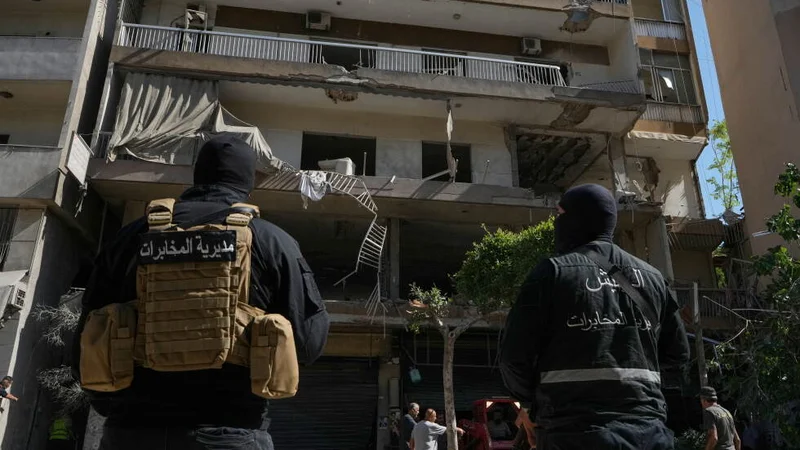
Image: Apnews
Main Takeaway
Israeli airstrikes on Hezbollah targets in Beirut killed 3 and wounded 6, jeopardizing a pending US-Iran ceasefire agreement.
Jump to Key PointsSummary
What triggered the Beirut strikes
Israeli warplanes hit Hezbollah targets in Beirut's southern suburbs on June 14, 2026, after the Iran-backed militant group launched drones into northern Israel. The Israeli military confirmed it struck the Dahiyeh district, a Hezbollah stronghold, while Prime Minister Benjamin Netanyahu and Defense Minister Israel Katz issued a joint statement that Israel will not tolerate fire directed at its territory. Lebanese civil defense teams recovered three bodies and rescued six wounded people from the rubble, according to authorities cited by multiple outlets.
The exchange began early Sunday when several Hezbollah drones crossed into Israeli airspace, triggering air raid sirens across northern Israel. The IDF framed its response as retaliatory, but the timing proved politically explosive. According to AP, the strikes landed just as diplomats were closing in on a deal to end the US-Iran war, a conflict that has roiled the region and threatened global energy supplies through the Strait of Hormuz.
Why the timing threatens the US-Iran deal
President Donald Trump had announced that a ceasefire agreement with Iran would be signed on Sunday, telling Fox News the deal could be finalized within hours. Instead, Israeli jets were pounding Beirut. Trump reacted with unusual public fury, saying he told Netanyahu: What the f**k are you doing? He warned both Israel and Iran not to blow it, pressing Netanyahu to halt strikes while negotiations remained active.
The disconnect between Trump's diplomatic timeline and Israeli military action exposed a sharp rift between Washington and its closest Middle East ally. According to Fortune, the deal in its current form was already a deep disappointment to Israel's government, which had been sidelined in negotiations led by Pakistan and other mediators. Netanyahu's decision to strike anyway, despite Trump's direct appeal, signals how little leverage the White House appears to wield over Israeli military decisions in real time.
Iran's response and Lebanon's central role
Iran swiftly warned that the Beirut strikes could derail the emerging agreement. Tehran has insisted that any truce with Washington must include provisions addressing Lebanon, where Hezbollah serves as Iran's most powerful proxy force. BBC's Middle East correspondent in Beirut reported that Lebanon had already become a major obstacle for the US-Iran deal, and the Israeli attack on Hezbollah's base further complicated those efforts.
The Iranian calculus is straightforward: signing a deal that leaves its Lebanese ally exposed to Israeli air strikes would amount to strategic humiliation. Axios reported that Iranian officials explicitly cautioned that the Beirut attack risked collapsing negotiations. For Iran, Hezbollah is not a peripheral concern but a core pillar of its regional strategy, and any agreement that ignores the group's security would face fierce resistance from hardliners in Tehran.
What happens to the Strait of Hormuz
The anticipated deal was expected to end the war and reopen the Strait of Hormuz, a chokepoint for global oil shipments. CNBC reported that an initial agreement was scheduled for signing this week, with massive economic consequences hanging in the balance. The closure of the strait during hostilities had ratt energy markets and raised fears of broader regional escalation.
With the deal now in question, oil traders and regional analysts are recalculating risk premiums. The Israeli strikes introduced a variable that negotiators in Pakistan and elsewhere may not have fully anticipated: a US ally actively undermining American diplomacy through independent military action. Whether the talks can be salvaged depends now on whether Iran accepts renewed negotiations or demands preconditions that Israel and the US may find unacceptable.
The rift between Trump and Netanyahu
The Beirut strikes laid bare an extraordinary public breach between a Republican president and an Israeli prime minister who have historically enjoyed close ties. Trump's profane rebuke of Netanyahu, reported by Ynetnews, marked a sharp departure from the warm relations of his first term. The president's frustration stemmed from Netanyahu's apparent willingness to prioritize military action against Hezbollah over preserving a diplomatic process Trump had personally championed.
Yet Netanyahu's calculation may be domestically sound. According to Fortune, Israel's government viewed the emerging deal as a deep disappointment and felt marginalized from talks led by Pakistan. By striking Hezbollah now, Netanyahu may be attempting to reshape facts on the ground before any agreement binds Israeli military options. The gamble carries enormous risk: if the deal collapses, Israel faces renewed Iranian retaliation; if it proceeds, Netanyahu has demonstrated that Israeli security decisions are not subject to American veto.
What comes next for the region
Military and diplomatic timelines are now racing against each other. The IDF has prepared for possible Iranian fire within hours, according to Ynetnews, while Tehran says no final decision has been made on the emerging deal. The next 24 to 48 hours will determine whether this represents a temporary hitch or the collapse of the most significant US-Iran diplomatic opening in years.
Regional observers note that previous Israel-Hezbollah conflicts have followed patterns of controlled escalation, but the presence of active superpower diplomacy raises the stakes considerably. The Middle East Institute has analyzed Iran's choice as escalate or stand down, with either path carrying unpredictable consequences. For now, all parties remain publicly committed to the diplomatic track, but the Beirut strikes have introduced a level of volatility that could overwhelm negotiators before they reach a signing ceremony.
Key Points
Israeli airstrikes on Hezbollah in Beirut killed 3 and wounded 6 on June 14, 2026.
Trump publicly rebuked Netanyahu, warning both sides not to blow the ceasefire deal.
Iran threatened that the Beirut strikes could collapse the pending US-Iran agreement.
Israel had been sidelined in Pakistan-led negotiations and viewed the deal as disappointing.
The anticipated agreement aimed to end the US-Iran war and reopen the Strait of Hormuz.
Questions Answered
Israeli warplanes struck Hezbollah targets in Beirut's southern suburbs, killing 3 people and wounding 6. The strikes came after Hezbollah launched drones into northern Israel, and they coincided with final-stage US-Iran ceasefire negotiations that President Trump had announced would conclude that day.
Trump publicly rebuked Netanyahu because the Israeli strikes threatened to collapse a pending US-Iran ceasefire deal that Trump had been personally negotiating. According to Ynetnews, Trump told Netanyahu what the f**k are you doing and pressed him to halt further attacks while diplomacy was ongoing.
Iran warned that the Israeli attack on its Lebanese proxy could derail the emerging US-Iran deal. Tehran has insisted that any truce must include provisions for Lebanon, and officials indicated no final decision had been made on the agreement after the strikes.
The anticipated agreement aimed to end the US-Iran war and reopen the Strait of Hormuz, a critical chokepoint for global oil shipments. The deal had been brokered with Pakistan and other mediators, though Israel felt sidelined and deeply disappointed by its terms.
The next 24 to 48 hours are critical. The IDF has prepared for possible Iranian retaliation, while diplomats attempt to salvage the agreement despite the volatility introduced by the Beirut strikes. Whether Iran accepts renewed talks or demands new preconditions will determine if the deal proceeds.
Source Reliability
58% of sources are highly trusted · Avg reliability: 83
Go deeper with Organic Intel
Simple AI systems for your life, work, and business. Each one includes copyable prompts, guides, and downloadable resources.
Explore Systems