Iran Threatens Retaliation as U.S. Prepares Sweeping Sanctions and the Rial Hits a Record Low
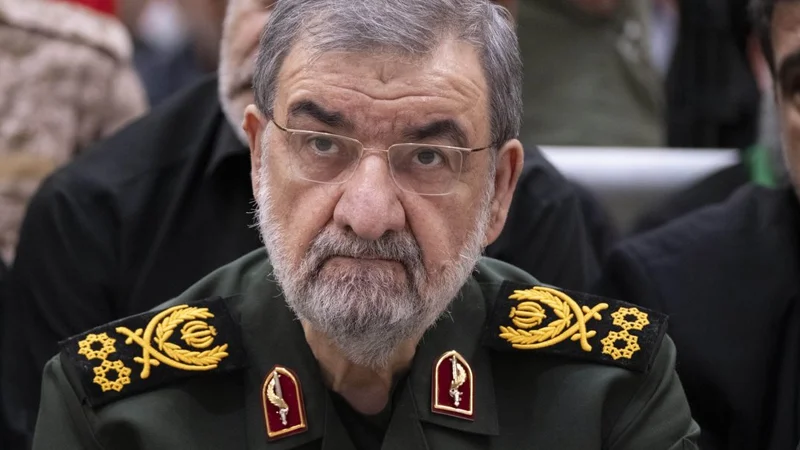
Image: Fortune AI
Main Takeaway
Iran labeled support for impending U.S. sanctions an act of war as the rial reached a record low and Washington threatened severe consequences for Tehran’s backers.
Jump to Key PointsSummary
Iran draws a red line
Iran’s top security official has warned that countries supporting new U.S. sanctions will be treated as enemies, escalating rhetoric ahead of Washington’s planned economic measures. The warning frames participation in the sanctions campaign as an act of war and signals that Tehran intends to pressure neighboring states and other partners that cooperate with the United States.
The announcement came as the Trump administration prepared what it described as an unprecedented financial offensive against Iran. Iranian President Masoud Pezeshkian defended a memorandum of understanding tied to the crisis, while officials in Tehran said sanctions would not restore peace to the region. The Guardian, AP News and Fortune described the warning as part of a broader confrontation involving economic pressure, military threats and unresolved diplomacy.
Washington escalates economic pressure
The United States is preparing its most severe sanctions campaign yet against Iran, with the administration promising sweeping measures against the country and consequences for governments, companies and institutions that help Tehran. Treasury Secretary Scott Bessent was expected to announce the measures on Monday, while President Donald Trump called the strategy economic warfare and threatened tremendous consequences for Iran’s backers.
The campaign is designed to deepen Iran’s isolation by targeting financial channels and commercial relationships, with oil and regional trade central to the pressure. CNBC characterized the effort as the greatest financial offensive against Tehran, while Reuters described the planned restrictions as the toughest sanctions in U.S. history. The congressional background on U.S. sanctions places the measures within a long-running framework aimed at Iran’s nuclear activity, regional operations and access to international finance.
The rial signals mounting stress
Iran’s currency has fallen to a record low against the U.S. dollar, giving the sanctions confrontation an immediate domestic economic dimension. The rial’s decline raises the cost of imported goods, intensifies inflationary pressure and makes it harder for households and businesses to plan amid uncertainty over trade and access to foreign currency.
The currency slide arrived before the new U.S. measures were formally announced, reflecting both anticipation of tighter restrictions and the wider strain of war and economic isolation. Al Jazeera and WP TV focused on the rial’s new low, while NPR examined the effect of Trump’s sanctions on Iran’s economy. The falling currency also gives Washington a visible measure of pressure, though it increases the risk that ordinary Iranians bear the fastest costs of the campaign.
Hormuz and regional spillovers
The sanctions dispute is unfolding alongside threats to shipping and continuing military tensions across the Middle East. Iran has threatened ship seizures, and Washington has yet to break Tehran’s hold over the Strait of Hormuz, a major route for global energy shipments. Any disruption there would extend the confrontation well beyond Iran’s borders by raising risks for oil markets, freight operators and countries dependent on Gulf trade.
Regional diplomacy is also under pressure. Israeli and Syrian officials met less than a week after Israeli strikes in Syria, while Israel said it had killed a target in the wider conflict. CNBC, AP News and Fortune linked the financial confrontation to this broader pattern of military and diplomatic activity. The result is a crisis in which sanctions, shipping security and regional alliances are moving together rather than as separate disputes.
What happens to Iran’s backers
The next phase will center on how governments and companies respond to Washington’s threat of secondary punishment. Iran’s warning raises the cost of cooperation for neighboring states, while U.S. officials are signaling that financial access and commercial ties can be used to enforce compliance beyond American borders.
That pressure creates competing incentives. Governments may seek exemptions, reduce visible trade with Tehran or keep channels open through indirect arrangements. Companies face exposure through banking, shipping, energy and insurance relationships. Reuters, CNBC and The Guardian each presented the coming sanctions as a test of whether Washington can isolate Iran without provoking retaliation against regional commerce. Tehran’s response will determine whether the campaign remains primarily financial or expands into seizures, attacks and wider confrontation.
The stakes for diplomacy and markets
The sanctions announcement is likely to sharpen the conflict’s economic and security dimensions at the same time. Iran’s leaders are portraying the measures as an attack requiring retaliation, while Washington is presenting financial isolation as a tool to force concessions. The record-low rial shows that the pressure is already reaching domestic markets before the full package is public.
For global markets, the Strait of Hormuz remains the immediate risk point. For Iran, the challenge is preserving trade and currency stability while absorbing tighter restrictions. For the United States and its partners, the central test is whether sanctions change Tehran’s behavior without producing a regional escalation that disrupts energy supplies. AP News, NPR and the Middle East Institute described an economy and region already shaped by war, sanctions and diplomatic strain.
Key Points
Iran threatens retaliation against countries supporting impending U.S. sanctions as the rial reaches a record low.
United States prepares its toughest economic pressure campaign yet against Iran and its financial backers.
Iran’s record-low rial raises import costs and intensifies inflationary pressure before sanctions are announced.
Threats to seize ships place the Strait of Hormuz and global energy shipments at heightened risk.
Regional diplomacy remains strained after Israeli strikes in Syria and renewed Israeli-Syrian discussions.
Questions Answered
Iran calls support for the U.S. sanctions an act of war because Tehran views participation as direct assistance to an economic campaign against the Islamic Republic. Iran’s security chief warned that supporting countries would be treated as enemies and face retaliation.
Iran’s rial has fallen to a record low against the U.S. dollar. The decline increases import costs and inflationary pressure as businesses and households prepare for tighter sanctions and continued economic disruption.
The United States is preparing a sweeping financial campaign described by officials as unprecedented and the toughest sanctions effort in U.S. history. The measures are expected to target Iran’s access to finance and commercial relationships, while threatening consequences for its backers.
The Strait of Hormuz is a major route for global energy shipments, so threats to seize ships raise risks for oil markets, freight and insurance. Washington has not broken Iran’s hold over the waterway, keeping shipping security central to the confrontation.
The next stage begins with the U.S. sanctions announcement and the response from Iran, neighboring governments and companies. The crisis will show whether financial pressure changes Tehran’s behavior or triggers retaliation involving shipping and wider regional security.
Source Reliability
64% of sources are highly trusted · Avg reliability: 84
Go deeper with Organic Intel
Simple AI systems for your life, work, and business. Each one includes copyable prompts, guides, and downloadable resources.
Explore Systems