Houthi Threat to Red Sea Deepens Saudi Arabia’s Oil Export Crisis as Hormuz Remains Blocked
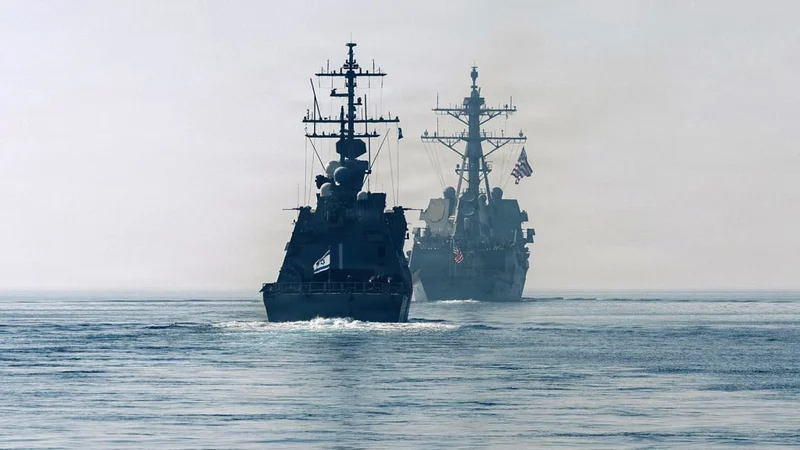
Image: Cfr
Main Takeaway
Saudi Arabia’s oil exports have fallen to a 13-year low as Houthi threats to Red Sea shipping compound the closure of the Strait of Hormuz.
Jump to Key PointsSummary
A second chokepoint comes under threat
Saudi Arabia faces a widening export crisis as Houthi forces threaten ships using the Red Sea and Bab el-Mandeb Strait, after Iran disrupted the kingdom’s traditional route through Hormuz. The developments place both major maritime exits around the Arabian Peninsula under pressure at the same time. The Houthis announced a naval blockade targeting Saudi-linked shipping and warned tankers against using Saudi ports on the Red Sea, according to the Council on Foreign Relations and The Guardian.
Bab el-Mandeb connects the Red Sea with the Gulf of Aden and serves as a key route between the Indian Ocean, the Suez Canal and European markets. The new threat follows attacks on Saudi-linked commercial vessels and claims by the Houthis of strikes against Saudi energy infrastructure. The combined pressure has turned a regional war into a shipping and energy crisis with global reach.
Saudi exports lose their escape route
Saudi Arabia’s oil exports have plunged to a 13-year low as tankers struggle to find safe routes out of the kingdom, The New York Times reported. The kingdom first relied on the Red Sea after Iran closed the Strait of Hormuz, but the Houthi campaign has placed that alternative under threat. Saudi Arabia now faces a narrower set of options for moving crude and refined products to overseas customers.
A major pipeline has also been forced to close after drone attacks launched from Iraqi territory, according to Fortune. The pipeline had offered Saudi Arabia a way to bypass maritime chokepoints, but its shutdown removes another outlet just as shipping risks rise. The attacks expose the vulnerability of an energy system designed to redirect exports during isolated disruptions, rather than simultaneous pressure across sea lanes, pipelines and regional infrastructure.
Oil markets price in wider disruption
Brent crude rose above $100 a barrel as renewed attacks in the Gulf and Red Sea delivered a double shock to global energy markets, Deutsche Welle reported. The price remained below an earlier peak of $126 but had climbed almost one-third from the previous month’s low. Traders are responding to the loss of reliable transport capacity, not only to the volume of oil immediately removed from production.
The market impact extends beyond Saudi Arabia. Longer voyages, insurance costs, vessel diversions and delays through the Suez system raise the price of moving energy and manufactured goods between Asia, Europe and the Mediterranean. Higher fuel costs also create political pressure in the United States, where rising gasoline prices threaten household budgets ahead of midterm elections, according to The Media Line. Diplomacy around Hormuz briefly pushed prices lower, but that relief has been weakened by the Red Sea escalation.
Iran’s regional pressure network
The Houthi blockade opens a new front in the conflict between the United States and Iran. Tehran has used the group as a regional partner while maintaining distance from direct responsibility for attacks, and Reuters reported that Iranian officials instructed the Houthis to close the Red Sea gateway if the United States struck Iran’s power network. That connection gives the Red Sea crisis a direct link to the wider war.
The timing also matters. Saudi Arabia is confronting pressure from Iran, Iranian-aligned forces in Yemen and suspected Iraqi militia activity while its main American security relationship has become less predictable. Attacks attributed to Iraqi militias forced the closure of the pipeline, while Houthi advances threaten ports and shipping on the opposite side of the peninsula. The pattern stretches Saudi defenses across a broad geographic area and makes any single military response less effective.
Washington faces a harder choice
The United States now faces a choice between protecting commercial shipping, deterring further attacks and avoiding a wider regional war. American security guarantees have traditionally underpinned Gulf energy exports, but the simultaneous threats around Hormuz and Bab el-Mandeb test how much protection Washington can provide when several allied routes are attacked at once.
President Donald Trump said the Houthis had contacted the United States and did not want to fight American forces, while appearing to blame Iran for the pipeline attack, Fortune reported. That message contrasts with the group’s threats against Saudi-linked tankers and leaves shipping companies facing uncertainty over whether assurances will translate into safe passage. Gulf foreign ministers are due to meet Iran’s foreign minister, a diplomatic opening that has helped oil prices retreat at times. Any durable relief depends on whether talks address both maritime fronts rather than Hormuz alone.
What happens next for global shipping
The immediate test is whether the Houthis can enforce their warning beyond isolated attacks and whether Saudi Arabia can reopen its pipeline. A sustained threat would push more vessels around the Cape of Good Hope, lengthening journeys and tightening available tanker capacity. It would also increase pressure on insurers, ports and importers that depend on predictable Red Sea traffic.
Saudi Arabia’s crisis shows how quickly redundancy disappears when several routes fail together. The kingdom retains production capacity, but production has limited value when tankers cannot safely reach customers and pipelines remain closed. Diplomacy could reopen Hormuz and reduce the broader conflict, yet shipping companies will still demand evidence that the Bab el-Mandeb route and Saudi ports are secure. Until then, oil markets will treat every new strike, blockade warning and pipeline update as a direct threat to global supply.
Key Points
Saudi Arabia’s oil exports have plunged to a 13-year low as maritime and pipeline routes fail.
Houthi threats against Saudi Red Sea ports endanger Bab el-Mandeb, a major global shipping gateway.
Drone attacks from Iraqi territory forced closure of a Saudi pipeline that bypassed maritime chokepoints.
Brent crude rose above $100 as traders priced in simultaneous Hormuz and Red Sea disruption.
Iran’s reported instructions to the Houthis connect Red Sea attacks directly to the wider US-Iran conflict.
Questions Answered
The Houthis are using threats against Saudi ports and tankers as part of the wider conflict involving Iran and the United States. Their warning targets vessels using Saudi Red Sea facilities and raises the risk of disruption at Bab el-Mandeb.
Saudi Arabia’s oil exports have fallen to a 13-year low. The decline follows disruption at the Strait of Hormuz, Houthi threats in the Red Sea and the closure of a major pipeline after drone attacks.
Bab el-Mandeb is the narrow maritime gateway between the Red Sea and the Gulf of Aden. Saudi Arabia and international shipping operators depend on the route for moving energy and goods between the Indian Ocean, Suez Canal and European markets.
Yes, drone attacks launched from Iraqi territory forced the closure of a major Saudi pipeline. The shutdown removes an overland route that could have reduced the kingdom’s reliance on threatened sea lanes.
A prolonged dual chokepoint crisis would reduce shipping capacity, increase insurance and fuel costs, and push vessels onto longer routes. Saudi Arabia would retain oil production capacity but face greater difficulty delivering crude to overseas buyers.
Source Reliability
55% of sources are highly trusted · Avg reliability: 80
Go deeper with Organic Intel
Simple AI systems for your life, work, and business. Each one includes copyable prompts, guides, and downloadable resources.
Explore Systems