Home Depot’s $730 Million Tariff Refund Boosted Earnings as Higher Costs Erased Much of the Gain
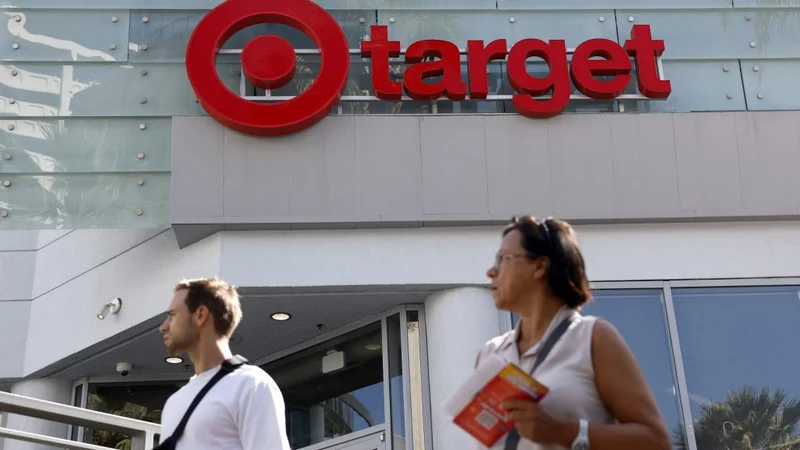
Image: Fortune AI
Main Takeaway
Home Depot received $730 million in tariff refunds, but rising costs absorbed much of the benefit as retailers decide whether shoppers will see lower prices.
Jump to Key PointsSummary
Home Depot’s refund and earnings
Home Depot received $730 million in tariff refunds during the second quarter, but rising costs largely offset the windfall and limited its effect on underlying profitability. The payment followed a Supreme Court ruling that invalidated tariffs imposed under the International Emergency Economic Powers Act, triggering repayments from U.S. Customs and Border Protection to companies that paid the duties.
The refund still gave Home Depot’s quarterly results a meaningful lift. Analysts tied much of the company’s earnings strength to the payment, while investor commentary also pointed to stronger growth among professional customers than among do-it-yourself shoppers. Home Depot’s earnings call focused on demand, costs and the uneven effect of tariffs across its merchandise categories.
Rising costs absorb the benefit
Home Depot’s refund did not translate into $730 million of lasting operating improvement because expenses continued to rise. Higher product, freight and other business costs consumed much of the cash benefit, leaving the retailer with a stronger reported quarter but a less dramatic improvement in its core economics.
That distinction matters for investors and customers. A one-time repayment can raise earnings in the period when it is recognized, while persistent cost pressure continues to shape prices, margins and future guidance. Home Depot’s results therefore show why tariff refunds are producing headline gains without necessarily creating broad, permanent price reductions in stores.
Retailers are taking different paths
The broader retail response is fragmented. Amazon, Walmart and Home Depot have applied for tariff refunds, while Target has reported a roughly $1 billion benefit, according to coverage of the companies’ financial results. The payments are flowing to retailers that paid the duties, creating a direct accounting benefit for businesses with large import volumes.
Companies have different options for handling the money. They can retain it, use it to offset higher costs, invest in operations, return capital to shareholders or pass some savings through in prices and promotions. The contrasting approaches from Home Depot, Amazon and Walmart have made the refunds a test of how retailers balance margins, customer expectations and political pressure.
What shoppers can expect
The refunds haven't created a broad promise of lower prices for shoppers. Retailers face continued pressure from suppliers, logistics expenses, labor costs and merchandise inflation, all of which can absorb tariff-related savings before they reach the checkout counter.
Home Depot’s experience provides a clear example: the company received a large repayment, yet higher costs consumed much of its value. Target’s reported refund boosted profit more visibly, while Amazon and other major retailers have faced questions about whether they will share their gains with customers. The practical effect for shoppers will depend on each company’s pricing strategy and the products it imports, rather than on the refund headline alone.
Why the refunds matter for investors
Tariff repayments are becoming a major factor in interpreting retail earnings. Wall Street must separate temporary refunds from sales growth, customer demand and durable margin expansion, particularly when companies report unusually strong profits during the repayment process.
Home Depot’s quarter also highlights the importance of business mix. Professional customers outpaced do-it-yourself demand, giving the retailer an operating trend that exists independently of the tariff payment. Analysts and investors are weighing that pro-customer strength against higher costs and the limited recurring value of a one-time refund.
The next phase of the tariff fight
The refund process follows a Supreme Court decision that forced the government to return duties collected under a law the court found insufficient to support the tariffs. The scale is large: major companies are receiving payments ranging from hundreds of millions of dollars to about $2 billion, while estimates for affected S&P 500 companies reach roughly $100 billion.
The next debate centers on distribution and disclosure. Companies must decide how prominently to present refunds in earnings, whether to describe them as customer savings or cost relief, and how to manage any future tariff policy changes. For Home Depot, the $730 million payment improved reported results, but the company’s rising costs show why the refund hasn't erased the broader financial pressure facing retailers.
Key Points
Home Depot received a $730 million tariff refund that higher costs largely offset in second-quarter results.
Home Depot’s professional customer sales outpaced do-it-yourself demand during the second quarter.
Retailers can retain tariff refunds, offset expenses, invest, return capital or reduce customer prices.
Target reported about $1 billion from tariff refunds, creating a larger visible profit boost.
Amazon, Walmart and Home Depot applied for refunds after the Supreme Court tariff ruling.
Questions Answered
Home Depot received $730 million in tariff refunds during the second quarter. Rising costs absorbed much of the payment’s financial benefit, limiting its effect on underlying profitability.
Home Depot faced rising product, freight, labor and operating costs that offset much of the refund. The payment improved reported earnings but did not remove ongoing pressure on margins.
Home Depot has not committed the entire refund to customer price cuts. The company’s cost pressures and merchandise mix mean tariff savings can be used to offset expenses rather than reduce prices broadly.
Amazon, Walmart and Target are among the major retailers associated with tariff refunds. Target reported a benefit of about $1 billion, while Amazon and Walmart applied for refunds.
Home Depot’s refund followed a Supreme Court ruling that invalidated tariffs imposed under the International Emergency Economic Powers Act. Customs and Border Protection then began returning duties collected under that law.
Retailers will determine whether to use refunds for cost relief, customer promotions, investment, capital returns or other purposes. Investors will also separate one-time repayment gains from recurring sales and margin performance.
Source Reliability
50% of sources are highly trusted · Avg reliability: 79
Go deeper with Organic Intel
Simple AI systems for your life, work, and business. Each one includes copyable prompts, guides, and downloadable resources.
Explore Systems