Googlebook Brings Gemini-Centered Laptops to Android Users, Starting at $899 From Five PC Makers
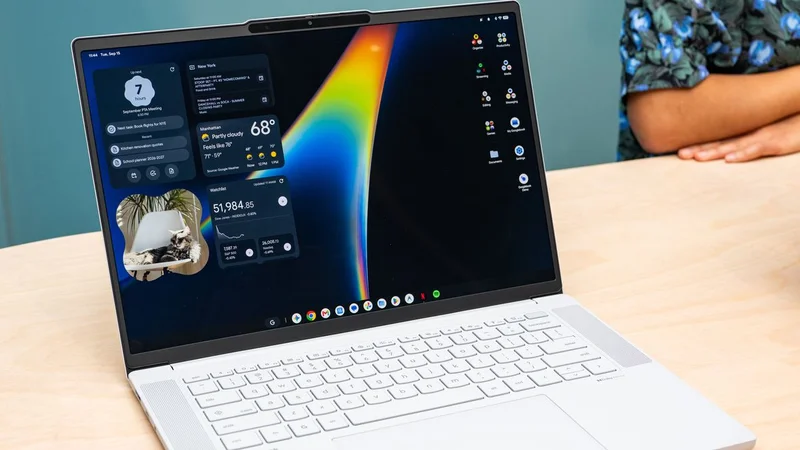
Image: Wired AI
Main Takeaway
Google introduced Googlebook laptops from Dell, HP, Lenovo, Acer and ASUS, pairing Gemini features with Android integration at prices starting above $899.
Jump to Key PointsSummary
Googlebook enters the premium laptop market
Google has introduced Googlebook, a premium laptop category built around Gemini and Android connectivity, with launch models from Dell, HP, Lenovo, Acer and ASUS priced from $899 upward. The announcement marks Google’s clearest attempt to move beyond low-cost Chromebook computing and compete for buyers who expect a full-featured personal computer with artificial intelligence woven into the operating system. Bloomberg AI identified the 5 manufacturers and the $899-plus starting point, while Google’s AI Blog positioned the devices around Gemini Intelligence. 9to5google also described the launch as a Gemini-focused hardware push.
The name creates an immediate distinction from Chromebook, although the available announcements do not establish every technical difference between the 2 product lines. The launch is timed around a familiar consumer expectation: laptops should work as naturally with phones as Apple laptops work with iPhones. Googlebook therefore puts software continuity, AI assistance and premium hardware in the same sales pitch.
Android gets a laptop companion
Googlebook’s central consumer promise is tighter Android integration. Android phone owners have long had access to separate device features, but the operating system has not offered the same built-in continuity that Apple provides between iPhones and Macs. Googlebook is designed to close that gap by making the phone and laptop function as parts of one Google-centered setup, Wired reported.
The integration matters because phone-to-PC convenience is a daily-use feature rather than a specialist AI demonstration. Copying information between devices, handling messages and moving from mobile activity to a larger screen all give Google a reason to make the laptop part of Android’s core experience. CNET framed the launch as Google delivering a long-requested Android counterpart to Apple’s hardware ecosystem, while PCMag’s question-driven coverage focused on how Googlebook will work in practice.
Gemini sits at the center
Gemini is the defining software layer for Googlebook. Google’s launch language presents the machines as designed for “Gemini Intelligence,” and the product’s identity depends on AI being integrated into everyday laptop use rather than offered as a separate application. 9to5google highlighted the Gemini focus, while the Google AI Blog supplied the official product framing.
That positioning gives Googlebook a clear advantage in messaging: buyers are being asked to purchase a laptop that is also an interface to Google’s AI services. The $899-plus price, however, puts the products beside established premium Windows laptops and MacBooks, where build quality, battery life, performance and software reliability carry equal weight. PCMag’s emphasis on practical questions reflects the test Google faces. Buyers will want specific answers about which Gemini functions run locally, what requires an internet connection, and which features vary by manufacturer.
Five manufacturers widen the bet
Dell, HP, Lenovo, Acer and ASUS are bringing Googlebook to market, giving Google access to established laptop sales channels without relying on a single in-house design. Bloomberg AI identified the full manufacturer group and the premium starting price. That breadth also gives the category room to span different designs, performance levels and retail audiences.
The partner strategy spreads risk across companies that already sell PCs at scale. It also creates a consistency problem: Google must make the Googlebook experience recognizable across hardware brands while allowing each manufacturer to differentiate its models. Wired’s comparison with Apple raises the bar, because Apple controls both the operating system and the hardware. Google controls the software direction here, but the physical products will carry 5 different corporate identities.
The price tests adoption
A starting price above $899 makes Googlebook a premium proposition from day one. That price can support better components and more capable AI features, but it limits the product’s reach compared with the inexpensive laptops that made ChromeOS familiar to schools, families and budget buyers. Bloomberg AI’s pricing details and CNET’s focus on the Android value proposition together point to the central commercial calculation: Google must convince Android users that ecosystem continuity justifies a premium laptop purchase.
The price also puts Googlebook in direct comparison with Apple and high-end Windows systems, not just entry-level Chromebooks. CNET identified a clear drawback alongside the appeal of the Android experience, while PCMag’s practical framing underscores that AI branding alone won't settle the purchase decision. Battery life, application support, build quality and the usefulness of Gemini will determine whether the category earns repeat demand.
What happens after launch
Googlebook’s next test is execution. Preorders and launch availability are part of the rollout, with one listing identifying September 21, 2026, as the preorder date. The official Google AI Blog announcement establishes Google’s product direction, while Wired and CNET place the launch in the broader contest between Apple’s tightly connected hardware ecosystem and Android’s more distributed device world.
For Google, success means turning Gemini and Android continuity into a reason to choose a new laptop category rather than simply adding another AI feature to an existing PC. For Dell, HP, Lenovo, Acer and ASUS, the opportunity is a premium device line tied to Google’s services and marketing. The early questions are practical: how consistent the models are, how deeply Android features work across phones, and whether Gemini delivers enough value to support the price.
Key Points
Google introduced Gemini-focused Googlebook laptops from 5 manufacturers, with prices starting above $899.
Googlebook targets Android users with tighter phone-to-laptop continuity modeled against Apple’s ecosystem.
Dell, HP, Lenovo, Acer and ASUS will sell Googlebook hardware across multiple premium laptop designs.
Gemini provides Googlebook’s central software identity and differentiates the category from conventional Chromebooks.
Premium pricing forces Googlebook to compete directly with MacBooks and high-end Windows laptops.
Questions Answered
Googlebook is Google’s new premium laptop category built around Gemini Intelligence and Android connectivity. Models from Dell, HP, Lenovo, Acer and ASUS start above $899.
Googlebook laptops start at more than $899. That pricing places them in competition with premium MacBook and Windows laptop models rather than budget Chromebooks.
Dell, HP, Lenovo, Acer and ASUS are making Googlebook laptops. The multi-manufacturer strategy gives Google broad distribution across different hardware designs.
Googlebook is designed to make Android phones and laptops work together more closely. The goal is continuity across devices for activities such as messages, copied information and moving from a phone to a larger screen.
Gemini is the core AI layer and the main reason Google is presenting Googlebook as a new laptop category. Its usefulness in everyday computer tasks will help determine whether the premium price is justified.
Googlebook’s next step is product rollout through Dell, HP, Lenovo, Acer and ASUS. Buyers will judge the category on availability, hardware quality, Android integration and the practical value of Gemini.
Source Reliability
40% of sources are trusted · Avg reliability: 66
Go deeper with Organic Intel
Simple AI systems for your life, work, and business. Each one includes copyable prompts, guides, and downloadable resources.
Explore Systems