FTX Founder Sam Bankman-Fried Files Formal Pardon Request With Trump
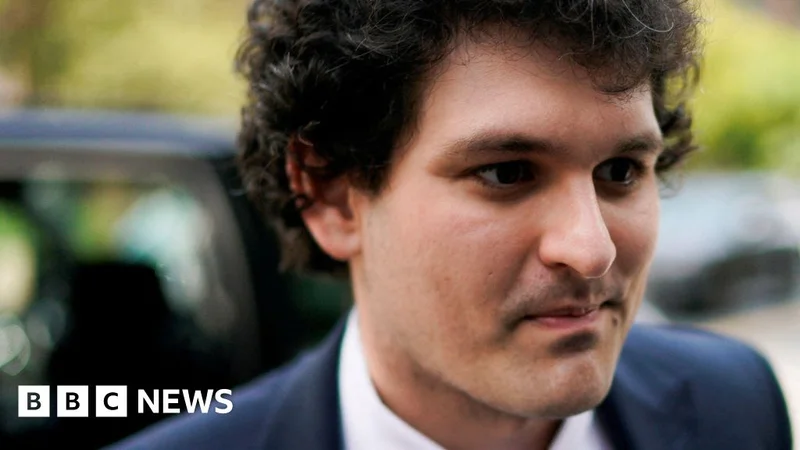
Image: Bbc
Main Takeaway
Sam Bankman-Fried filed a formal pardon application to President Trump after serving two years of his 25-year fraud sentence.
Jump to Key PointsSummary
Why a convicted crypto founder wants presidential mercy
Sam Bankman-Fried submitted a formal pardon application to the Justice Department's Pardon Attorney Office, requesting clemency after completing his sentence. The filing marks a dramatic reversal for the former billionaire, who is currently incarcerated following one of the largest financial fraud cases in American history. His application specifically seeks a pardon after completion of sentence, which would restore civil liberties stripped by his federal conviction.
The request arrives just two years into his 25-year term, an unusually early bid for executive clemency. Bankman-Fried has reportedly been using social media and conservative news interviews to build his case from behind bars, according to Bloomberg. His strategy appears calculated to reach an audience sympathetic to his new political positioning.
How Bankman-Fried's political allegiances shifted behind bars
The former FTX chief was once among the Democratic Party's largest donors, contributing millions to progressive candidates and causes during the 2020 and 2022 election cycles. His political spending made him a prominent figure in Democratic circles before FTX's November 2022 collapse. That history makes his current outreach to a Republican administration particularly striking.
From prison, Bankman-Fried has expressed support for Trump despite the president's earlier statements about his case. CNN reports that Trump said in January he did not plan to pardon Bankman-Fried, who was convicted of orchestrating one of history's largest financial frauds. The former crypto billionaire's change in political posture suggests a pragmatic, if not desperate, recalibration. Whether this conversion is genuine or strategic remains an open question among observers tracking his case.
What the pardon would actually restore
A presidential pardon would not free Bankman-Fried from his current incarceration, but it would carry significant legal consequences upon his release. According to USA Today, the application requests restoration of civil liberties after completing his prison sentence, which would allow him to vote, serve on juries, and hold certain professional licenses that felons forfeit. The distinction between commutation, which reduces sentence length, and pardon, which forgives the underlying offense, is crucial here.
Bankman-Fried is seeking the latter, which carries more symbolic weight and practical benefits for his post-prison life. The 34-year-old's estimated $8 billion theft from FTX customers destroyed his reputation and devastated retail investors who trusted his platform. A pardon would not erase that damage, but it would remove the federal government's formal condemnation of his conduct. For someone contemplating any future in business or public life, the difference matters enormously.
Where Trump's stance stands after earlier rejection
President Trump explicitly ruled out pardoning Bankman-Fried during comments in January, creating a significant hurdle for the application. The president's statement came before the formal filing, however, leaving room for reconsideration as the case moves through administrative channels. Trump has pardoned hundreds of individuals during his current and previous terms, including several high-profile figures with controversial convictions.
The pardon process typically involves review by the Justice Department's Office of the Pardon Attorney before reaching the president's desk. Bankman-Fried's case would likely receive extraordinary scrutiny given its public profile and the scale of financial harm involved. Trump's unpredictable approach to clemency, combined with Bankman-Fried's apparent political repositioning, makes the outcome difficult to predict despite the January statement.
What this signals about crypto's political realignment
The pardon bid reflects broader tensions within the cryptocurrency industry as it navigates Washington's shifting political currents. Bankman-Fried's fall from Democratic darling to prison inmate seeking Republican mercy mirrors the industry's own awkward political migration. Many crypto firms that once cultivated progressive regulators now find more receptive audiences among conservative policymakers skeptical of traditional financial oversight.
FTX's collapse, which wiped out billions in customer funds and triggered criminal charges against multiple executives, remains a defining scandal for the sector. Bankman-Fried's attempt to leverage political connections he once deployed for Democratic causes illustrates how quickly allegiances can shift when personal freedom hangs in the balance. Whether the crypto industry benefits or suffers from this association depends largely on whether observers distinguish Bankman-Fried's individual crimes from legitimate digital asset innovation.
What happens next in the clemency process
The Justice Department's Pardon Attorney Office will now review Bankman-Fried's application according to standard procedures, though nothing about this case is truly standard. The office typically considers factors including acceptance of responsibility, conduct during incarceration, and the nature of the offense. Bankman-Fried's continued assertions of innocence, voiced through media appearances and social media, may complicate this evaluation.
Legal experts note that pardon applications from prisoners maintaining their innocence face steeper odds, as clemency traditionally rewards demonstrated remorse. Bankman-Fried has appealed his conviction, creating additional procedural complexity. The timeline for decision remains uncertain, but the application's high profile ensures it will receive attention regardless of outcome. For the thousands of FTX victims still recovering losses, the prospect of their former tormentor receiving presidential forgiveness adds fresh insult to substantial financial injury.
Key Points
Sam Bankman-Fried filed a formal pardon application with the Justice Department's Pardon Attorney Office.
The former FTX chief is serving a 25-year sentence for fraud and money laundering convictions from 2024.
Bankman-Fried previously donated millions to Democrats but now expresses support for Trump from prison.
Trump said in January he did not plan to pardon Bankman-Fried, before the formal application was submitted.
The pardon request seeks restoration of civil liberties after sentence completion, not early release.
Questions Answered
Yes, Sam Bankman-Fried formally applied for a presidential pardon through the Justice Department's Pardon Attorney Office. The application was filed in June 2026 and requests a pardon after completion of his 25-year sentence.
Sam Bankman-Fried is serving a 25-year federal prison sentence. He was convicted in 2024 on fraud and money laundering charges related to the collapse of cryptocurrency exchange FTX.
A presidential pardon would restore civil liberties after Bankman-Fried completes his prison sentence, including voting rights and professional licensing eligibility. It would not reduce his current incarceration period.
President Trump stated in January 2026 that he did not plan to pardon Bankman-Fried. This statement preceded the formal application, and the president has not commented on the filed request.
Sam Bankman-Fried was previously among the largest Democratic donors, contributing millions to progressive candidates. From prison, he has expressed support for Trump and given interviews to conservative news outlets.
Source Reliability
60% of sources are highly trusted · Avg reliability: 83
Go deeper with Organic Intel
Simple AI systems for your life, work, and business. Each one includes copyable prompts, guides, and downloadable resources.
Explore Systems