Flesh-Eating Screwworm Fly Resurfaces in Texas Threatening $113 Billion Cattle Industry
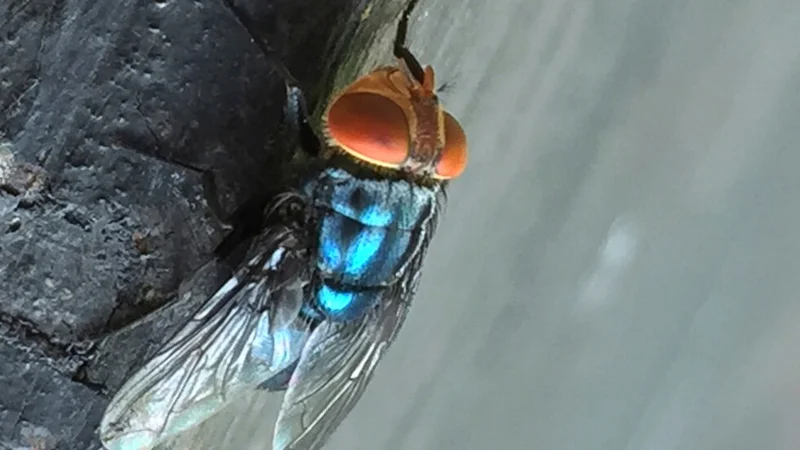
Image: Apnews
Main Takeaway
USDA confirms New World screwworm fly in Texas calf, first U.S. cattle case since 1966, triggering emergency quarantine and sterile fly release program.
Jump to Key PointsSummary
What triggered the emergency response
The U.S. Department of Agriculture confirmed on Wednesday that the New World screwworm fly has infected a 3-week-old calf in La Pryor, Texas, approximately 50 miles from the Mexico border. This marks the first detection in U.S. cattle since the parasite was eradicated in the 1960s, and only the third U.S. appearance in that timeframe. Agriculture Secretary Brooke Rollins announced immediate federal action to contain and eradicate the infestation.
Texas State Veterinarian Bud Dinges established a 12-mile quarantine zone around the affected area to prevent movement of potentially infected animals. The swift response reflects the severe economic threat posed by a pest that once cost the cattle industry billions annually. According to Reuters, the case represents a significant setback after decades of successful eradication efforts that had pushed the parasite south of the border.
Why this pest poses catastrophic risk
The New World screwworm fly lays eggs in open wounds of warm-blooded animals, and its larvae feed on living tissue rather than dead matter, causing a condition known as myiasis. A single untreated infestation can kill livestock within days through tissue destruction, secondary infection, and systemic shock. The Guardian notes the parasite can affect wildlife and pets as well as cattle, creating broad ecological vulnerability.
Before eradication, the screwworm caused estimated annual losses of hundreds of millions of dollars across the Americas. The Seattle Times emphasizes that the 1960s U.S. elimination program, using sterile insect technique, became a global model for pest control. Its return threatens not just individual animals but the biosecurity systems that underpinned American agricultural exports for generations. The Washington Post reports that industry fears extend to potential trade restrictions if outbreaks spread.
How sterile flies became the weapon of choice
The USDA is deploying its primary countermeasure, the sterile insect technique, releasing millions of laboratory-reared male flies to mate with wild females and collapse reproduction. Fortune reports the agency plans to drop 4 million sterile flies weekly into affected zones, replicating the approach that eliminated the pest six decades ago. The strategy requires sustained, massive releases to outcompete fertile males across breeding territories.
This biological control method was pioneered in the 1950s and remains uniquely suited to screwworm eradication because female flies mate only once. Each sterile mating eliminates an entire potential brood. However, the approach demands precise timing, enormous scale, and continuous monitoring. BBC notes that screwworm has been advancing across Mexico for over a year, suggesting border surveillance gaps may have allowed gradual northward spread before detection.
What Mexico's outbreak means for containment
The geographic pattern reveals critical vulnerabilities in North American agricultural biosecurity. Screwworm cases have increased across Central America and Mexico for more than a year, with U.S. officials working to delay inevitable northward spread. The Texas case confirms those efforts ultimately failed at the border zone. Abc7ny reports that federal and state authorities had anticipated this scenario and pre-positioned response resources.
The proximity to Mexico, approximately 50 miles from the international boundary, suggests the parasite likely crossed through wildlife corridors or undocumented animal movement rather than formal trade channels. This complicates traditional quarantine approaches focused on livestock commerce. The Guardian highlights that climate change may be expanding suitable habitat for the fly northward, potentially widening the zone at risk beyond historical patterns.
Economic stakes for American agriculture
The $113 billion U.S. cattle industry faces disproportionate exposure from even a localized outbreak. News9 reports that quarantine restrictions immediately constrain rancher operations, while consumer confidence in beef safety could trigger market volatility. International trade partners maintain strict screwworm-free requirements; confirmed domestic cases risk export market access that took decades to secure.
The economic calculus extends beyond direct livestock losses to encompass surveillance costs, treatment, compensation, and trade negotiation. Historical eradication consumed massive public investment over three decades. A sustained reintroduction would demand comparable commitment during an era of constrained agricultural budgets. Washington Post coverage indicates industry groups are pressing for emergency federal funding to accelerate containment beyond current planned releases.
What happens next in the eradication campaign
Success depends on eliminating every wild breeding population before the next reproductive cycle amplifies infestation scope. The USDA will expand trapping networks across south Texas to detect additional cases, while the sterile fly release scales toward saturation coverage. Secretary Rollins has committed to full eradication rather than management, reflecting the binary nature of screwworm control.
Industry observers note that modern genomic tools and satellite tracking could enhance traditional methods, though deployment timelines remain uncertain. The current response replicates proven techniques rather than innovating, suggesting confidence in historical approaches but also potential missed opportunities for technological integration. BBC reports that international veterinary authorities are monitoring the situation for implications beyond North America, as global screwworm eradication goals depend on preventing reestablishment in previously cleared zones.
Key Points
USDA confirms New World screwworm fly in Texas calf, first U.S. cattle case since 1966.
Texas established 12-mile quarantine zone near Mexico border to contain potential spread.
Federal government deploying 4 million sterile flies weekly to eradicate breeding populations.
Parasite's larvae feed on living tissue, killing untreated livestock within days through myiasis.
Outbreak threatens $113 billion U.S. cattle industry and potential export market access.
Questions Answered
The New World screwworm fly is a parasite whose larvae feed on living tissue of warm-blooded animals, causing a condition called myiasis that can kill untreated livestock within days. Unlike common maggots that consume dead tissue, screwworm larvae attack open wounds and healthy flesh, making infestations particularly destructive and painful for infected animals.
Authorities established a 12-mile quarantine zone and are releasing 4 million sterile male flies weekly to collapse wild reproduction through the sterile insect technique. This biological control method exploits the female screwworm's single-mating behavior, with each sterile mating eliminating an entire potential offspring generation.
Spread to other states is possible if eradication fails, as the fly can travel significant distances and affect any warm-blooded animal with open wounds. Climate change may expand suitable habitat northward, increasing the geographic area at risk beyond historical patterns that previously limited the parasite to southern regions.
Localized outbreaks primarily threaten rancher operations through quarantine restrictions and animal losses rather than immediate consumer price impacts. However, confirmed domestic cases risk international trade restrictions on American beef, while prolonged eradication campaigns could eventually strain supply chains if containment fails.
Source Reliability
67% of sources are highly trusted · Avg reliability: 84
Go deeper with Organic Intel
Simple AI systems for your life, work, and business. Each one includes copyable prompts, guides, and downloadable resources.
Explore Systems