Federal judge halts Florida's longest red snapper season hours before opening day
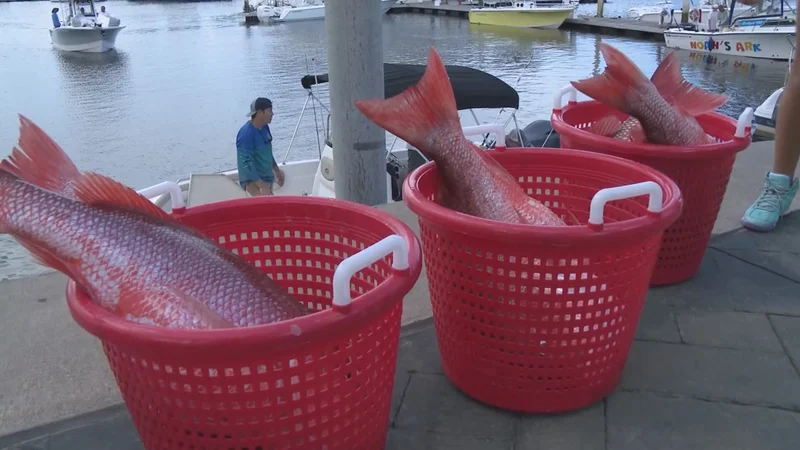
Image: Firstcoastnews
Main Takeaway
A federal judge blocked Florida's 39-day red snapper season on May 21, ruling NOAA's exempted fishing permits unlawful just hours before anglers were set.
Jump to Key PointsSummary
What triggered the ruling
A federal judge in Washington, D.C. halted a planned 39-day recreational red snapper season for Florida just hours before it was scheduled to begin on May 22. The preliminary injunction also froze similar exempted fishing permits, or EFPs, for Georgia, South Carolina, and North Carolina. Judge Rudolph Contreras sided with commercial fishing groups who challenged the legality of the permits, which NOAA Fisheries had issued earlier in May. The ruling transformed what was supposed to be Florida's longest Atlantic red snapper season since 2009 into a closed fishery, with NOAA confirming that all recreational harvest under these permits was immediately unauthorized.
The timing devastated fishing businesses that had prepared for months. Charter boat captains and guides lost thousands of dollars in anticipated revenue, with some learning of the cancellation only after waking up for planned trips. The Florida Fish and Wildlife Conservation Commission had expanded the season from just two days in 2025 to 39 days this year, plus three long weekends in October, making the reversal particularly painful for an industry that had already scheduled clients and purchased supplies.
Why the season collapsed so fast
The legal challenge centered on whether NOAA had authority to issue the exempted fishing permits in the first place. Commercial fishing groups argued the permits circumvented standard fishery management procedures, and Judge Contreras agreed they were likely unlawful. The EFP program is designed for experimental fishing activities, but critics said Florida and the other states were using it to bypass federal catch limits and season restrictions. The ruling did not resolve the underlying case; it simply found that commercial fishermen were likely to prevail and that letting the season proceed would cause irreparable harm.
The speed of the collapse caught everyone off guard. Governor Ron DeSantis had publicly celebrated the extended season, calling fishing a God-given right. His administration's enthusiasm made the judicial reversal more politically embarrassing and economically damaging. The judge's decision came too late for most businesses to cancel reservations or redirect marketing, amplifying the financial hit across coastal communities from Jacksonville to the Florida Keys.
The human cost for anglers and captains
Recreational fishermen had anticipated the expanded season for months. Charter boat captain George Smiley told Action News Jax that the cancellation was unheard of, with the rule change happening while anglers slept. The emotional and financial whiplash extended well beyond individual trips. Many captains had turned away other business to reserve dates for red snapper, which draws premium rates from tourists and locals alike.
The broader context makes the pain sharper. Atlantic red snapper populations have recovered enough that scientists say limited fishing is sustainable, but federal managers have kept seasons extremely short, often just a few days, due to complex allocation formulas and legal requirements. That mismatch between biological reality and regulatory access has fueled years of frustration among recreational anglers who see healthy fish populations they cannot touch. The 39-day season represented a rare breakthrough, which made its sudden cancellation feel to many like institutional whiplash rather than mere bad luck.
The science and politics of fish release
The conflict between recreational and commercial interests sits atop a genuinely difficult ecological problem. Red snapper suffer from barotrauma when pulled from deep water, and their swim bladders expand, often killing them even if released. Federal law requires captains to vent or deflate the fish to improve survival odds, as described in Fortune's reporting from the Jodie Lynn II, where a captain punctured a caught snapper's gas bladder and ordered it sent overboard rather than kept.
That 25% mortality rate for released fish, cited by critics, became a political weapon in the fight over whether expanded recreational access was responsible. Commercial fishermen and environmental groups argued that more fishing days would mean more dead fish overall, even with release requirements. Recreational advocates countered that their sector was being unfairly squeezed while commercial boats continued operating under different rules. The scientific uncertainty provided fertile ground for litigation, with each side selecting studies that supported their preferred outcome.
What happens to the fishery now
The preliminary injunction remains in place while the underlying lawsuit proceeds, with no set timeline for resolution. NOAA Fisheries has stated the South Atlantic EFPs are no longer in effect until further court order, meaning recreational red snapper fishing in federal waters stays closed. Florida and the other affected states could attempt to negotiate a settlement, modify their permit applications, or push for regulatory changes through the South Atlantic Fishery Management Council, but none of those paths offer quick relief.
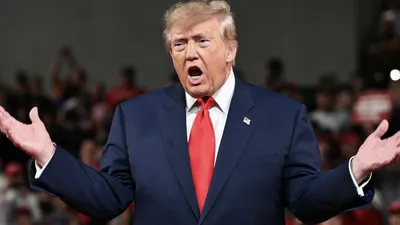
The political fallout is already spreading. DeSantis called the ruling disrespectful and a bad decision, language that signals potential state-level legal or legislative countermoves. Congressional attention is possible given the regional economic stakes and the precedent the case sets for how NOAA can use exempted fishing permits. For now, anglers and charter businesses face another season of extreme uncertainty, with the court having stripped away a promised expansion and returned the fishery to its familiar state of near-total closure.
The bigger fight over who owns the fish
This case sits at the intersection of several contested trends in American fisheries management. The allocation between recreational and commercial sectors has grown more polarized as fish stocks recover and access becomes more valuable. Exempted fishing permits, once obscure administrative tools, have become battlegrounds for rewriting the rules without full regulatory process. The red snapper conflict echoes similar fights over Gulf of Mexico red snapper, where years of state-federal conflict eventually required congressional intervention.
The outcome here will shape whether other states can use EFPs to expand recreational access, or whether those permits will be more narrowly constrained. Commercial fishing groups have signaled they will continue challenging similar programs, seeing this victory as validation of their broader strategy. For recreational advocates, the path forward likely requires either winning the underlying lawsuit, which faces long odds given the preliminary injunction, or pursuing more durable regulatory or legislative changes that do not rely on temporary permits. Either way, the days of quietly expanded seasons through administrative flexibility appear to be ending.
Key Points
Federal judge blocked Florida's 39-day red snapper season hours before its May 22 opening.
Judge Rudolph Contreras ruled NOAA's exempted fishing permits were likely unlawful.
Commercial fishing groups challenged the permits, arguing they bypassed standard fishery management rules.
Charter captains and anglers lost thousands in anticipated revenue from cancelled trips.
Governor Ron DeSantis called the ruling disrespectful and a bad decision.
Questions Answered
Judge Rudolph Contreras issued a preliminary injunction finding that NOAA's exempted fishing permits were likely unlawful. Commercial fishing groups had sued, arguing the permits improperly circumvented standard fishery management procedures and catch limits.
The 39-day season was scheduled to begin May 22, 2026. The judge's ruling came on May 21, just hours before the opening, after the Florida Fish and Wildlife Conservation Commission had expanded the season from just two days the previous year.
The preliminary injunction halted exempted fishing permits for Florida, Georgia, South Carolina, and North Carolina. All recreational red snapper fishing under these South Atlantic EFPs was immediately unauthorized.
Governor Ron DeSantis called the decision disrespectful and a bad decision. He had previously celebrated the extended season and framed fishing as a God-given right, making the judicial reversal politically embarrassing for his administration.
The preliminary injunction stays in place while the underlying lawsuit proceeds, with no set timeline. NOAA has stated the EFPs are no longer in effect until further court order, so recreational red snapper fishing in federal waters remains closed.
Source Reliability
63% of sources are trusted · Avg reliability: 64
Go deeper with Organic Intel
Simple AI systems for your life, work, and business. Each one includes copyable prompts, guides, and downloadable resources.
Explore Systems