Europe Demands Anthropic's Mythos Access to Shield Banks from AI-Driven Attacks
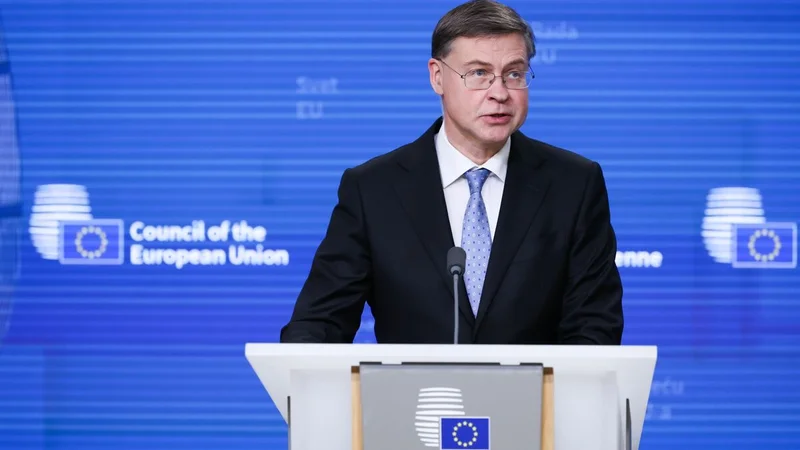
Image: Bloomberg AI
Main Takeaway
European finance ministers urgently seek Anthropic's Mythos AI model access to test bank vulnerabilities before US competitors gain advantage.
Jump to Key PointsSummary
Why Europe is panicking over Mythos
European finance ministers aren't asking nicely anymore. They're demanding access to Anthropic's Mythos AI model because they fear European banks are sitting ducks for AI-powered cyber attacks while US institutions get first crack at finding flaws.
According to Bloomberg AI, the EU is in "active talks" with Anthropic to get banks and companies tested for vulnerabilities the new model might uncover. The urgency isn't theoretical. Sources tell Reuters that Bundesbank officials specifically warned EU leaders to "seek access" to Mythos immediately, not after US banks have patched their systems.
The timeline is brutal. Yahoo Finance reports Anthropic plans to provide access "soon" but hasn't committed to European banks getting equal footing with US institutions. This creates a nightmare scenario where European banks could face weeks or months of exposure to attacks that US banks have already defended against.
What this means for bank security
Mythos apparently isn't just another red-team tool. Multiple sources describe it as capable of finding novel attack vectors that traditional security audits miss. The BBC reports that "finance ministers and bankers raise serious concerns" specifically about how Mythos could expose systemic weaknesses across European banking infrastructure.
German banks are already conducting internal risk assessments, according to TradingView News. But here's the problem: without access to Mythos itself, they're essentially guessing what the model might find. It's like trying to defend against a weapon you've never seen.
The European Central Bank has scheduled emergency meetings with major banks to discuss "potential Anthropic risks," reports FStech. These aren't routine check-ins. They're crisis sessions aimed at preventing what one source called "a potential financial catastrophe" if attackers get Mythos capabilities before defenders do.
The geopolitical chess game
This isn't just about cybersecurity. It's about competitive advantage in global finance. European ministers explicitly told Anthropic they fear "falling behind US peers," according to Bloomberg's second report. The subtext is clear: if US banks can patch vulnerabilities first, they'll appear more secure to international clients and investors.
The EU's approach has been unusually aggressive. Rather than waiting for voluntary cooperation, they're leveraging regulatory pressure. Courthouse News reports the EU is "in talks" with Anthropic, but the tone suggests these are less negotiations and more ultimatums about market access.
This creates an awkward position for Anthropic. They can't easily give European regulators access without similar demands from other regions. But refusing risks regulatory retaliation in one of the world's largest financial markets.
Technical implications for AI safety
Mythos represents a new category of AI risk. Unlike traditional security tools that test known vulnerabilities, it appears capable of discovering entirely new attack methods through advanced reasoning. This is why European officials aren't treating it like standard penetration testing software.
The model's capabilities raise broader questions about AI governance. If a single system can identify systemic weaknesses across entire financial sectors, who gets access becomes a national security question. TheNextWeb notes this is the first time AI capabilities have triggered this level of government intervention in banking.
DisruptionBanking's provocative headline asks "Can Anthropic's Mythos Hack Europe's Banks?" The answer seems to be yes, and European officials are treating this as a when, not if, scenario.
What happens next
The next 30 days are critical. Multiple sources point to a decision window where Anthropic must choose between controlled European access or facing regulatory restrictions. Pymnts reports "global finance chiefs" are calling for information sharing, suggesting this could become a G7-level issue.
European banks are already preparing contingency plans. Retail Banker International notes institutions are "assessing risks" but privately, banks tell a different story. They're building emergency response teams and preparing for potential coordinated attacks if Mythos capabilities leak or are replicated.
The most likely outcome is a tiered access system where major European banks get Mythos access under strict NDAs, followed by broader rollout. But this creates its own risks: smaller banks and fintechs could become the weak links attackers target.
Long-term consequences for AI regulation
This incident is establishing precedents that will shape AI governance for years. European regulators are essentially arguing that advanced AI capabilities become critical infrastructure, requiring government oversight similar to nuclear technology or advanced cryptography.
The ECB's involvement signals this isn't just banking regulation. It's monetary policy. If AI vulnerabilities could trigger systemic financial risk, then AI development becomes a central bank concern. This expands the regulatory perimeter far beyond traditional tech oversight.
For AI companies, the message is clear: capabilities that can affect critical infrastructure will face government demands for access and oversight. The voluntary cooperation era is ending. The Mythos situation creates a template for how governments will respond to future AI breakthroughs.
Key Points
European finance ministers are demanding immediate access to Anthropic's Mythos AI model for vulnerability testing of banks
Bundesbank officials specifically warned EU leaders about falling behind US banks in security preparedness
ECB has scheduled emergency meetings with major banks to address potential systemic risks from AI-driven attacks
The situation creates competitive disadvantage fears if European banks face vulnerabilities US banks have already patched
This represents unprecedented government intervention over AI capabilities affecting critical financial infrastructure
Questions Answered
Mythos appears capable of discovering entirely new attack vectors through advanced AI reasoning, rather than just testing known vulnerabilities like traditional penetration testing tools.
Sources indicate US banks may get weeks or months of early access, creating a window where European banks remain vulnerable to attacks that US institutions have already defended against.
The EU can threaten market access restrictions or additional regulatory requirements for Anthropic's operations in Europe, one of the world's largest financial markets.
While exact numbers aren't specified, reports mention major European banks, German banks specifically, and ECB meetings with banking representatives, suggesting involvement of the largest institutions.
Yes, this establishes that AI capabilities affecting critical infrastructure will face government demands for access and oversight, creating a template for future AI breakthroughs.
Source Reliability
45% of sources are trusted · Avg reliability: 77
Go deeper with Organic Intel
Simple AI systems for your life, work, and business. Each one includes copyable prompts, guides, and downloadable resources.
Explore Systems