Dyson’s $499 CameraJet Toothbrush Uses AI to Spot Gaps and Direct Mouthrinse
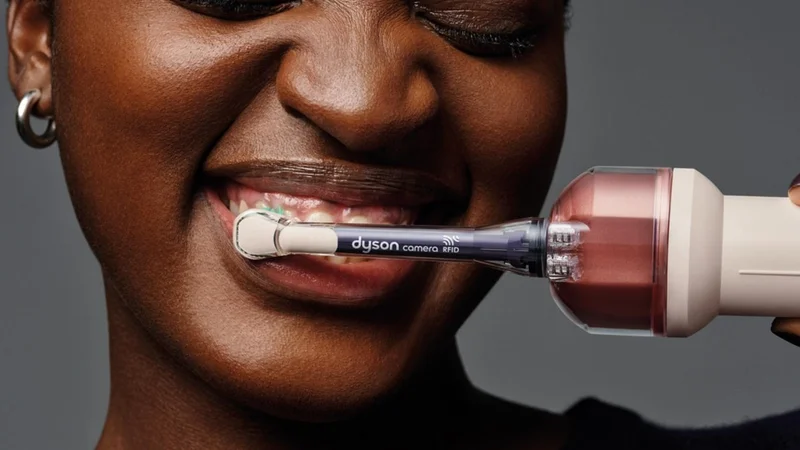
Image: The Verge AI
Main Takeaway
Dyson launched the $499 CameraJet, an AI-powered electric toothbrush with a built-in camera that identifies gaps between teeth and aims a precision mouthrinse jet.
Jump to Key PointsSummary
Dyson enters oral care
Dyson has launched the CameraJet, a $499 electric toothbrush that combines sonic brushing, a built-in camera, artificial intelligence and a precision liquid jet. The device marks the company’s first entry into oral care after years of expansion from vacuum cleaners into hair dryers, styling tools and other personal-care products.
The CameraJet is designed to identify spaces between teeth while users brush, then direct mouthrinse into those areas. Dyson describes the product as the result of 6 years of research, development and engineering. The launch places the company in a premium oral-care market dominated by established electric-toothbrush brands, while extending Dyson’s strategy of turning routine household tasks into technology-heavy products. Bloomberg and The Verge described the CameraJet as a first-of-its-kind combination of an integrated camera and flossing jet in a toothbrush.
How the camera and jet work
The CameraJet uses a macro camera and machine-learning software called Gap Optical Targeting to locate interdental spaces during brushing. Dyson’s product materials identify a 100,000-pixel macro-lens camera, while Pulse2 said the system processes 28 live camera images per second. The camera sends visual information to the toothbrush’s control system, which helps guide the jet toward areas that need extra cleaning.
The liquid stream dispenses mouthrinse into detected gaps rather than requiring a separate water flosser. The brush also supports an accompanying app with a live video feed, giving users visual feedback while they clean. Coverage from Wired, The Verge and the Economic Times emphasized the device’s combination of brushing, targeted rinsing and technique coaching, while Dyson’s announcement framed it as a single system for plaque removal and interdental cleaning.
Price and premium positioning
At $499, the CameraJet sits well above mainstream electric toothbrushes and enters the market as a luxury personal-care device. The price reflects Dyson’s familiar product formula: distinctive industrial design, proprietary engineering and an accompanying software layer wrapped around a basic daily routine.
The launch also follows the broader premiumization of personal care, where companies sell beauty and wellness products through performance claims, aesthetics and connected features. Vogue described oral care as entering a beauty-oriented phase, while WWD connected Dyson’s design and engineering approach to the company’s broader personal-care ambitions. James Dyson has discussed his own frustration with conventional flossing and water flossers, including the mess created by excess liquid, giving the product a personal rationale alongside its technical pitch.
What the evidence shows
Dyson’s public product information cites testing involving 71 participants over 4 weeks, with users brushing twice daily and using Dyson formulations. The company also lists laboratory comparisons with manual toothbrushes and premium electric toothbrushes. Those claims describe the company’s testing framework, but they don't establish that the CameraJet will deliver the same results for every user or replace professional dental care.
The central practical question is whether automatic targeting makes users more consistent with interdental cleaning. A camera can show missed areas and a jet can reduce the effort involved, but the system also introduces charging, app connectivity, liquid refills and a steep purchase price. Privacy is another consideration because the device captures images inside the mouth and sends live feedback to a connected application. WWD highlighted privacy concerns as part of the product’s design challenge, while other coverage focused on the novelty of putting video and AI into an everyday hygiene tool.
Competition and the road ahead
The CameraJet gives Dyson a new position in oral care, but established toothbrush and water-flosser makers already have expertise in brushing sensors, pressure detection, mobile coaching and interdental cleaning. Philips, Oral-B maker Procter & Gamble, Waterpik owner Church & Dwight, Colgate-Palmolive and Oclean face a premium competitor with strong consumer recognition and a record of attracting attention when it enters a category.
The broader test will be adoption. Buyers must decide whether camera-guided cleaning justifies a $499 price, and dentists will judge how useful the system is beyond its visual appeal. Dyson’s entry can push competitors to improve targeting, feedback and product design, even if the CameraJet remains a niche purchase. The company’s next steps will show whether oral care becomes a standalone product line or the first piece of a wider Dyson dental system.
Key Points
Dyson launched the $499 CameraJet toothbrush with AI gap detection and a built-in macro camera.
CameraJet directs mouthrinse jets into spaces between teeth while users brush.
The connected toothbrush streams live camera feedback through an accompanying app.
Dyson’s first oral-care product extends its premium personal-care technology strategy.
Company testing cites 71 participants over 4 weeks and laboratory performance comparisons.
Questions Answered
Dyson CameraJet is a $499 electric toothbrush with an AI-powered camera and precision mouthrinse jet. It combines sonic brushing, gap detection, targeted liquid cleaning and app-based visual feedback.
Dyson CameraJet uses a macro camera and Gap Optical Targeting machine-learning system to identify interdental spaces while brushing. The toothbrush then guides a liquid jet toward detected gaps.
Dyson CameraJet costs $499. The price positions Dyson’s first toothbrush in the premium and luxury oral-care segment.
Dyson CameraJet is designed to provide targeted liquid cleaning between teeth, but the product’s launch materials don't establish that it replaces every form of flossing or professional dental care. Its main distinction is automated gap targeting during brushing.
Dyson CameraJet will face scrutiny over cleaning results, privacy, app connectivity and whether consumers accept its $499 price. Its reception will indicate whether Dyson expands from a single toothbrush into a broader dental product line.
Source Reliability
38% of sources are trusted · Avg reliability: 76
Go deeper with Organic Intel
Simple AI systems for your life, work, and business. Each one includes copyable prompts, guides, and downloadable resources.
Explore Systems