DOJ Intervenes in xAI Pollution Lawsuit, Citing National Security and Military Operations
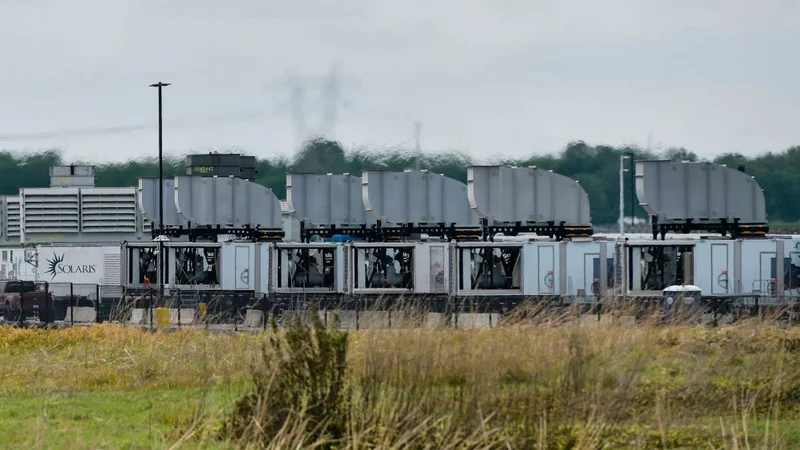
Image: TechCrunch AI
Main Takeaway
The Justice Department sided with xAI to dismiss an NAACP lawsuit over 46 unpermitted gas turbines, arguing the AI company's power supply supports.
Jump to Key PointsSummary
Why the DOJ entered the fight
The Department of Justice intervened Monday in a federal lawsuit challenging xAI's operation of natural gas turbines at its Colossus 2 data center in Southaven, Mississippi. In a filing reported by Wired, the DOJ argued that stopping the turbines would threaten American national, economic, and energy security by cutting power to AI innovation that supports military operations. The agency joined xAI and the state of Mississippi in asking the court to dismiss the case entirely.
The DOJ's filing specifically referenced support for the Department of War's military operations, a striking invocation of national security language in an environmental permitting dispute. This intervention transforms what began as a local Clean Air Act complaint into a federal case with implications for how AI infrastructure gets regulated nationwide. The Trump administration had previously signaled its interest in joining the case, with EENews reporting in mid-May that federal officials were considering intervention.
What the NAACP alleges about xAI's operations
The NAACP, represented by the Southern Environmental Law Center and Earthjustice, filed suit in April 2026 after sending a notice of intent to sue in February. The groups allege xAI built what amounts to an illegal de facto power plant, operating 46 unpermitted methane gas turbines to power its massive data center. According to the Mississippi Free Press, the NAACP asked a federal judge for emergency action to shut down the turbines, arguing they pose an immediate threat to public safety and violate the Clean Air Act.
The environmental and civil rights groups contend that xAI began operating the turbines before receiving required air permits, bypassing regulatory oversight designed to protect surrounding communities from pollution. The lawsuit represents a direct challenge to the rapid, often opaque expansion of AI infrastructure across the American South, where data center construction has accelerated without proportional environmental review.
How national security framing reshapes the case
The DOJ's intervention deploys a legal framework that treats private AI infrastructure as a strategic national asset. According to TechCrunch, the filing argues that shutting off xAI's power supply would undermine artificial intelligence innovation with direct military applications. This reasoning draws on President Trump's executive order on AI dominance, which prioritizes American leadership in artificial intelligence over competing regulatory concerns.
The national security argument creates a potential template for other AI companies facing environmental challenges. Startup Fortune noted that framing a private company's data center as a national security asset could allow AI firms to bypass standard environmental permitting requirements. If courts accept this reasoning, the precedent would significantly weaken the Clean Air Act's application to energy-intensive AI infrastructure, particularly when companies can demonstrate any connection to federal priorities.
Where this leaves Southaven residents
Local communities near xAI's Mississippi facility have limited recourse if the DOJ's intervention succeeds. Mississippi Free Press reported that residents gathered at a state environmental quality hearing in February 2026 to voice concerns about the turbines, well before the federal case escalated. The NAACP's lawsuit explicitly centers environmental justice, arguing that pollution from unpermitted industrial operations disproportionately harms minority communities in Southaven and surrounding municipalities.
The DOJ's position effectively pits federal national security claims against local environmental protections and community health concerns. If the court dismisses the lawsuit, residents would have no federal venue to challenge xAI's emissions, leaving them dependent on state regulatory action. Mississippi's own posture, joining xAI and the DOJ in seeking dismissal, suggests limited state appetite for enforcement against a major employer and technology investment.
What happens next in court and beyond
The federal court in Mississippi must now weigh the DOJ's national security claims against the NAACP's environmental and civil rights arguments. Legal observers will watch closely whether the court accepts the government's intervention and how broadly it interprets national security exemptions to environmental law. Actionnews5 reported that xAI separately seeks dismissal of the lawsuit on its own procedural grounds, giving the court multiple paths to end the case.
Beyond this single lawsuit, the DOJ's stance signals broader administration policy. EENews previously reported the government's interest in intervening, and the eventual filing confirms a pattern of treating major AI companies as extensions of federal strategic priorities. For xAI specifically, the intervention provides regulatory cover for its aggressive infrastructure expansion. For the AI industry generally, it establishes a precedent that national security claims can override local environmental opposition, potentially accelerating data center construction with reduced regulatory friction across the United States.
Key Points
DOJ intervened in NAACP lawsuit, claiming xAI's gas turbines are vital to national security and military operations.
xAI operates 46 unpermitted methane gas turbines at its Colossus 2 data center in Southaven, Mississippi.
Environmental groups allege xAI built an illegal power plant, violating the Clean Air Act and threatening public health.
The Trump administration cites an executive order on AI dominance to justify overriding environmental regulations.
Legal experts warn this creates a precedent allowing AI firms to bypass permitting by claiming national security needs.
Questions Answered
The NAACP sued xAI for operating 46 unpermitted natural gas turbines at its Colossus 2 data center in Southaven, Mississippi. The environmental and civil rights groups, represented by the Southern Environmental Law Center and Earthjustice, allege xAI violated the Clean Air Act by building what amounts to an illegal de facto power plant without required air permits, threatening public safety and polluting surrounding communities.
The Department of Justice intervened to support xAI's dismissal of the lawsuit, arguing in a federal filing that stopping the turbines would threaten American national, economic, and energy security. The DOJ specifically claimed the power supply supports artificial intelligence innovation used by the Department of War for military operations, invoking national security to override environmental concerns.
The DOJ filing asserts that xAI's AI innovation supports Department of War military operations, though specific details of any contractual or operational relationship between xAI and the Department of Defense have not been publicly disclosed. The national security claim appears to rest on the broad strategic importance of American AI leadership rather than documented, specific military applications.
The DOJ's reasoning could establish a legal template allowing AI companies to bypass standard environmental permitting requirements by framing their infrastructure as strategically vital to national security. This would significantly weaken the Clean Air Act's application to energy-intensive data center construction, particularly when companies can demonstrate connections to federal priorities.
The federal court in Mississippi must decide whether to accept the DOJ's intervention and dismiss the NAACP lawsuit. The court will weigh national security claims against environmental and civil rights arguments, with potential appeals regardless of the outcome. The decision will shape how courts treat similar conflicts between AI infrastructure expansion and environmental regulation.
Source Reliability
30% of sources are highly trusted · Avg reliability: 62
Go deeper with Organic Intel
Simple AI systems for your life, work, and business. Each one includes copyable prompts, guides, and downloadable resources.
Explore Systems