Adam Back Faces Satoshi Nakamoto Accusation After NYT Investigation
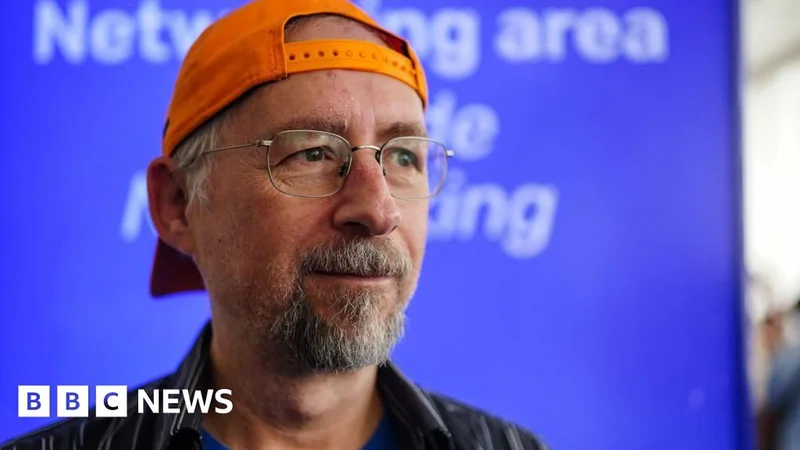
Image: Bbc
Main Takeaway
British cryptographer Adam Back denies being Bitcoin's elusive creator Satoshi Nakamoto after NYT investigation claims to have solved 17-year mystery.
Jump to Key PointsSummary
The NYT investigation that sparked the denial
A 10,000-word New York Times investigation by legendary journalist John Carreyrou has identified British cryptographer Adam Back as the most compelling candidate for Satoshi Nakamoto. The report, published April 8, 2026, used AI-assisted writing analysis and biographical parallels to link Back to Bitcoin's creation. According to the Times, their investigation represents a "years-long effort" to unmask the pseudonymous inventor who authored Bitcoin's foundational white paper in 2008.
The Times investigation appears to be unusually comprehensive, examining linguistic patterns and personal histories across nearly two decades. Their methodology reportedly involved comparing Back's extensive technical writings with Satoshi's original Bitcoin forum posts and emails, using advanced AI tools to detect stylistic similarities that human analysts might miss.
The story immediately gained traction across major outlets including BBC, Bloomberg, and TechCrunch, with each publication treating the Times' findings as the most serious Satoshi identification attempt since Newsweek's infamous 2014 Dorian Nakamoto debacle.
Back's immediate and unequivocal denial
Adam Back wasted no time rejecting the accusation. "I'm not satoshi," he wrote simply on X, using the lowercase styling characteristic of Satoshi's own communications. The Blockstream CEO elaborated that any linguistic similarities reflect "shared early research" rather than proof of identity, noting that both he and Satoshi drew from the same cryptographic literature and technical communities in the 2000s.
Back's denial carries significant weight given his established position in the cryptocurrency industry. As co-founder and CEO of Blockstream, he's been a prominent Bitcoin advocate and developer for over a decade. His company has raised hundreds of millions in funding and employs many core Bitcoin developers, making the Satoshi revelation particularly awkward for institutional Bitcoin supporters.
The cryptographer's response mirrors previous high-profile Satoshi denials, including Dorian Nakamoto's famous 2014 "I am not Dorian Nakamoto" statement. However, Back's technical credentials and long-standing involvement in Bitcoin development make this accusation more plausible to many observers than past attempts.
Why this Satoshi hunt feels different
This investigation lands differently than previous attempts. Carreyrou's reputation adds credibility; the Pulitzer-winning journalist previously exposed Theranos and has a track record of meticulous investigative work. The Times reportedly spent years building their case, a stark contrast to the rushed journalism that characterized past Satoshi reveals.
The AI-assisted analysis represents a new frontier in authorship attribution. Traditional methods failed to definitively identify Satoshi because human analysts struggled with the limited text corpus. Modern AI tools can detect subtle linguistic patterns across larger datasets, potentially identifying writing quirks that span decades of technical documentation.
Financial implications make this identification particularly consequential. If Back were Satoshi, he'd control approximately 1.1 million bitcoins worth over $100 billion at current prices, instantly making him one of the world's richest individuals. This wealth concentration could significantly impact Bitcoin's decentralized narrative and market dynamics.
The evidence and its limitations
The Times investigation reportedly centers on linguistic analysis comparing Back's writings with Satoshi's known communications. This includes technical papers, forum posts, and emails spanning Bitcoin's early development period. The analysis allegedly identifies distinctive phrasing patterns and technical terminology preferences unique to both authors.
However, the evidence faces immediate scrutiny from cryptography experts. Shared academic backgrounds and common technical vocabulary could easily produce false positives in AI analysis. Both Back and Satoshi worked extensively with hash functions, digital signatures, and peer-to-peer networks during the same era, making linguistic overlap unsurprising.
Critics note that previous AI-driven Satoshi identifications have proven unreliable. The crypto community remains skeptical after multiple failed attempts, including the 2021 claim that artificial intelligence had identified Satoshi as a team of developers rather than an individual.
Market reaction and Bitcoin's response
Bitcoin markets showed minimal volatility following the report, with BTC-USD trading largely unchanged from pre-announcement levels. This muted reaction suggests traders either don't believe the identification or don't view Satoshi's potential unmasking as materially affecting Bitcoin's value proposition.
The price stability contrasts sharply with hypothetical scenarios where Satoshi's coins could flood markets. If Back controlled Satoshi's wallet, the theoretical ability to move 1.1 million bitcoins would typically trigger panic selling. The lack of movement suggests market participants either doubt the identification or trust that Satoshi's coins will remain dormant regardless of identity.
Institutional Bitcoin holders appeared similarly unfazed. Major cryptocurrency exchanges and Bitcoin-focused public companies issued no statements addressing the Times investigation, treating it as another unverified Satoshi theory rather than market-moving news.
What happens next for Satoshi's identity
The crypto community expects continued debate without definitive resolution. Previous Satoshi investigations have followed predictable patterns: initial excitement, gradual skepticism, and eventual dismissal as insufficient evidence emerges. This cycle appears likely to repeat unless the Times produces cryptographic proof or Back admits involvement.
Legal implications remain unclear. No jurisdiction has successfully compelled Satoshi's identification, and Back faces no apparent legal pressure to prove his denial. However, tax authorities worldwide continue investigating early Bitcoin wallets, potentially creating future complications if Satoshi's identity becomes legally established.
The episode highlights broader questions about privacy in the cryptocurrency era. As AI analysis tools improve, maintaining anonymity becomes increasingly difficult even for technically sophisticated individuals. Future Satoshi candidates may face similar AI-driven investigations regardless of their actual involvement.
Key Points
New York Times investigation by John Carreyrou identifies Adam Back as most compelling Satoshi Nakamoto candidate using AI-assisted linguistic analysis
Back immediately denied being Satoshi on X, attributing writing similarities to shared cryptographic research rather than identity
If verified, Back would control 1.1 million bitcoins worth over $100 billion, making him one of world's richest individuals
Bitcoin markets showed minimal volatility, suggesting traders either disbelieve identification or don't view it as market-moving
Investigation uses new AI tools for authorship attribution, potentially identifying subtle linguistic patterns across decades of documentation
Questions Answered
The Times investigation uses AI-assisted linguistic analysis comparing Back's extensive technical writings with Satoshi's known communications, including forum posts and emails. They also cite biographical parallels and technical overlaps in their cryptographic work.
Back immediately denied being Satoshi on X, writing "I'm not satoshi" and explaining that any linguistic similarities reflect shared early cryptographic research rather than proof of identity.
This investigation comes from Pulitzer-winning journalist John Carreyrou with a reputation for meticulous work, uses advanced AI analysis tools, and reportedly involved years of investigation rather than rushed journalism.
Back would control approximately 1.1 million bitcoins worth over $100 billion at current prices, instantly making him one of the world's richest individuals and potentially affecting Bitcoin's decentralized narrative.
Bitcoin markets showed minimal volatility with BTC-USD trading largely unchanged, suggesting traders either don't believe the identification or don't view Satoshi's potential unmasking as materially affecting Bitcoin's value.
Shared academic backgrounds and technical vocabulary could produce false positives. Both Back and Satoshi worked with similar cryptographic concepts during the same era, making linguistic overlap unsurprising rather than conclusive.
Source Reliability
45% of sources are highly trusted · Avg reliability: 80
Go deeper with Organic Intel
Simple AI systems for your life, work, and business. Each one includes copyable prompts, guides, and downloadable resources.
Explore Systems