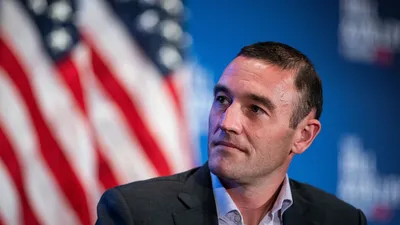
Netflix Stock Crashes After Weak Q2 Forecast and Hastings' Surprise Exit
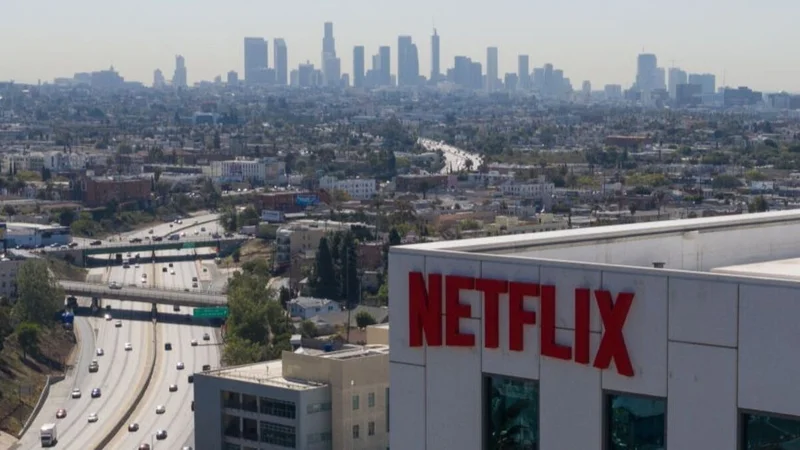
Image: Bloomberg AI
Main Takeaway
Netflix shares plunged 15% in after-hours trading as Q2 guidance missed estimates and co-founder Reed Hastings announced his departure, overshadowing.
Jump to Key PointsSummary
Why Netflix stock got hammered despite beating earnings
Netflix reported solid Q1 results but the market focused on a weak Q2 forecast that implied revenue growth would slow to 13.5%, according to 247wallst. The streaming giant's guidance fell short of analyst expectations across key metrics, triggering an immediate 15% drop in after-hours trading as reported by Bloomberg AI and WSJ.
The guidance miss came at a delicate moment for Netflix, which had just abandoned its contentious bid for Warner Bros. control in February. Investors who'd priced in aggressive growth assumptions suddenly faced a reality check about the company's expansion trajectory in an increasingly saturated streaming market.
Hastings exit and the leadership handoff
Reed Hastings announced he's stepping down as co-CEO, ending his 25-year run leading the company he co-founded. The transition hands control to Greg Peters and Ted Sarandos, who've been groomed for this moment but still represent a significant shift from the founder-led culture that built Netflix into a streaming powerhouse.
This isn't just symbolic. Hastings had become synonymous with Netflix's aggressive growth strategy and willingness to make bold bets. His departure removes the final founder from day-to-day operations at a time when the company needs steady hands to navigate slowing growth and increased competition.
The numbers behind the panic
While Netflix beat Q1 earnings estimates, the forward-looking guidance spooked investors. The company projected Q2 revenue growth at just 13.5% - a significant deceleration from previous quarters. This slowdown suggests Netflix's password-sharing crackdown and ad-tier rollout are delivering diminishing returns faster than expected.
The market reaction reflects deeper concerns about Netflix's growth ceiling. After years of treating streaming as an unlimited growth market, investors are now pricing in a more mature business with natural limits. The guidance implies Netflix might struggle to maintain its historical growth rates even with international expansion and new revenue streams.
What this signals for the streaming wars
Netflix's guidance miss lands amid intensifying competition from Disney+, Apple TV+, and Amazon Prime. The weak forecast suggests Netflix's first-mover advantage might finally be eroding as competitors catch up with compelling content and competitive pricing.
More concerning: this could mark a broader streaming reckoning. If Netflix - with its scale, data advantages, and hit shows like "Stranger Things" - can't maintain growth, what does that mean for smaller players burning cash to compete? The market's violent reaction indicates investors are reassessing the entire streaming sector's growth assumptions.
The impact on Netflix's content strategy
With growth slowing, Netflix faces pressure to justify its massive content spending. The company has been burning through $17 billion annually on original programming, betting that exclusive hits drive subscriber growth. But if subscriber additions plateau, that content budget becomes harder to defend.
Expect Netflix to get more selective with its content investments. The company will likely double down on proven franchises while cutting riskier bets. International content, which has delivered hits like "Squid Game," probably gets more investment as domestic growth stalls.
What happens next for investors
The stock drop creates a classic growth-to-value transition moment. Netflix now trades like a mature media company rather than a tech growth story, which could attract different investor types but also means lower valuation multiples long-term.
Analysts will be watching Q2 subscriber additions closely. If Netflix misses its own conservative guidance, expect another leg down. But if the company beats lowered expectations, this could mark a bottom for the stock. The key metric: whether Netflix can stabilize growth around these new, lower levels or if further deceleration is coming.
Key Points
Netflix shares dropped 15% in after-hours trading despite beating Q1 earnings estimates
Q2 guidance missed analyst expectations with revenue growth projected at only 13.5%
Co-founder Reed Hastings announced he's stepping down as CEO after 25 years
The guidance implies Netflix's growth initiatives (password crackdown, ad tier) are plateauing faster than expected
Market reaction signals investors are reassessing streaming sector growth assumptions
Questions Answered
The market focused on forward-looking Q2 guidance that showed revenue growth slowing to 13.5%, well below expectations. Investors care more about future growth trajectories than past results.
It's huge - Hastings co-founded Netflix 25 years ago and has been the face of its aggressive growth strategy. His departure removes the last founder from daily operations during a critical transition period.
Not necessarily, but it marks a maturation phase. Netflix's growth is slowing as the market saturates, suggesting the unlimited growth assumptions baked into streaming stocks may need recalibration.
Expect continued volatility as the market reassesses Netflix's valuation. If Q2 subscriber additions miss guidance, another drop is likely. The company may need to cut content spending or find new growth drivers.
Source Reliability
40% of sources are highly trusted · Avg reliability: 79
Go deeper with Organic Intel
Simple AI systems for your life, work, and business. Each one includes copyable prompts, guides, and downloadable resources.
Explore Systems