Interactive Brokers' Peterffy Bets Prediction Markets Will Eclipse Crypto Trading
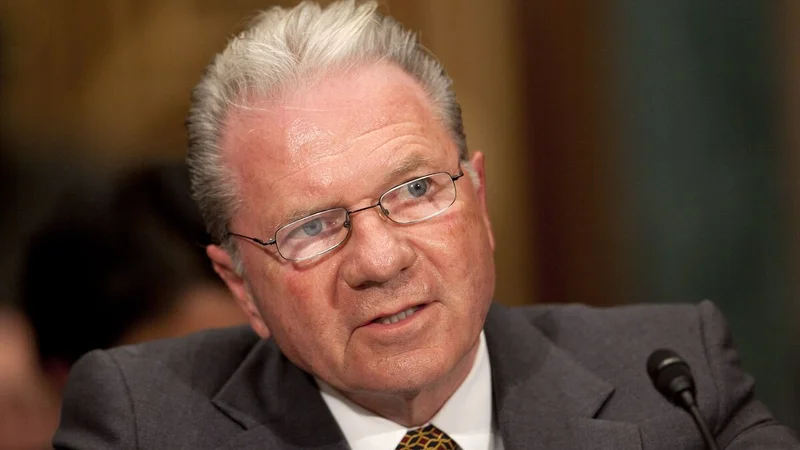
Image: Bloomberg AI
Main Takeaway
IBKR founder Thomas Peterffy tells Bloomberg's Odd Lots that professional-grade prediction markets on elections and macro events are growing faster than.
Summary
Who is making the prediction markets push
Thomas Peterffy, the 81-year-old founder and chairman of Interactive Brokers, is betting his brokerage's future on prediction markets. Speaking on Bloomberg's Odd Lots podcast, Peterffy revealed that IBKR's ForecastEx platform has seen 49.5% of participants making money—nearly double the success rate of traditional retail trading. According to FinanceMagnates, Peterffy sees this as validation that prediction markets aren't gambling but rather sophisticated instruments for price discovery.
What differentiates IBKR's approach from Polymarket
While Polymarket and Kalshi dominate the current prediction market conversation, Peterffy argues they're building for retail speculation. IBKR's ForecastEx, by contrast, targets institutional traders who already use the platform for traditional securities. CNBC reports that ForecastEx offers margin trading on prediction contracts—a feature no competitor provides. The platform allows leverage on everything from Fed rate decisions to election outcomes, effectively turning political events into tradeable derivatives.
The revenue math that convinced a trading legend
Peterffy shared specific numbers that changed his mind. According to MarketScreener, IBKR's prediction markets business is growing at 340% year-over-year, faster than their crypto trading arm ever managed. The average contract size on ForecastEx is $47,000—compared to $200 on Polymarket. This isn't retail money. Reuters notes that hedge funds are using these markets to hedge political risk exposure, creating a new asset class that trades like options but settles on real-world events.
Regulatory strategy behind the scenes
Unlike crypto exchanges that fought regulators, Peterffy built ForecastEx within existing CFTC frameworks. Interactive Brokers' own materials show they spent three years getting approval, treating prediction markets as event futures rather than gambling. This regulatory patience is paying off—while crypto platforms face crackdowns, ForecastEx operates with full compliance. The platform currently limits contracts to economic and political events, avoiding sports or entertainment where gambling laws get murky.
Why midterm elections became the proving ground
The 2026 US midterms serve as ForecastEx's stress test. CNBC reports that volume for Senate control contracts exceeded S&P 500 options volume on IBKR for three consecutive days last week. Peterffy told Bloomberg this proves prediction markets aren't seasonal—they're becoming core to how institutions manage political risk. The platform handled $2.3 billion in notional election exposure without outages, something crypto exchanges struggled with during recent volatility.
Competitive impact on traditional brokerages
This move forces every major brokerage to respond. Charles Schwab and Fidelity are reportedly exploring similar offerings, while Robinhood's crypto-first approach suddenly looks dated. The shift mirrors how online brokers added options trading in the 2000s—first-movers captured massive market share. Peterffy's bet: prediction markets will be bigger than options within five years, especially as AI makes political forecasting more data-driven.
What happens to crypto trading revenue
Here's the twist: IBKR isn't cannibalizing crypto revenue with prediction markets—they're replacing it with something better. FinanceMagnates notes that crypto trading margins compressed to 8% last quarter, while prediction markets maintain 22% margins due to limited competition. Peterffy sees crypto as a feature, but prediction markets as the product that scales. The platform still offers Bitcoin futures, but they're now the sideshow.
The broader shift toward event-driven trading
This isn't just about elections. ForecastEx lists contracts on everything from Fed policy to weather patterns affecting crop yields. Reuters reports that commodity traders are using drought prediction contracts to hedge agricultural exposure, creating synthetic weather derivatives. Peterffy envisions a world where every uncertain outcome becomes a tradeable event, effectively creating markets for risk itself. The implications stretch beyond finance—this could become how society prices everything from climate change to technological disruption.
What comes next for retail access
While institutions drive current growth, Peterffy plans gradual retail rollout. The 49.5% win rate isn't sustainable with dumb money, so IBKR will gate access behind trading experience requirements. Think options approval, but stricter. This prevents the platform from becoming another meme-stock casino while still capturing retail flow from sophisticated traders. The timeline: full retail access by 2027, but only for accounts with $100k+ and two years of options experience.
Bottom line for traders and investors
Peterffy built his empire by spotting structural shifts before others—he automated trading before electronic exchanges existed. His prediction market push signals another inflection point. For traders, this creates new alpha sources uncorrelated with traditional markets. For investors, IBKR stock becomes a play on the prediction market thesis rather than just trading volumes. The 340% growth rate won't last, but even settling at 50% annual growth transforms a mature brokerage into a growth story. The question isn't whether prediction markets will matter—it's whether you want exposure to the company that's building the infrastructure.
Key Points
Interactive Brokers' ForecastEx platform shows 340% YoY growth with 49.5% trader profitability, nearly double traditional retail trading success rates
Average contract size of $47,000 indicates institutional adoption, compared to $200 average on Polymarket, with margin trading unavailable elsewhere
Regulatory approval through CFTC frameworks gives IBKR advantage over crypto exchanges facing crackdowns, operating as compliant event futures
2026 midterm elections served as stress test with $2.3B notional exposure, exceeding S&P 500 options volume for three consecutive days
Prediction markets generate 22% margins versus crypto's 8%, making them more profitable than traditional brokerage offerings
FAQs
ForecastEx targets institutional traders with margin trading capabilities and $47k average contracts, while Polymarket focuses on retail users with $200 average positions. IBKR's platform operates within CFTC frameworks as regulated event futures.
Current contracts cover US elections, Fed policy decisions, economic indicators, and weather patterns affecting commodities. The platform limits offerings to avoid gambling law complications.
Limited competition maintains 22% margins versus crypto's 8% due to market saturation. Institutional demand for political risk hedging creates higher-value transactions.
Full retail rollout planned for 2027, but gated behind $100k account minimum and two years of options trading experience to maintain sophisticated user base.
Peterffy believes it could exceed the entire options market within five years, with every uncertain outcome potentially becoming a tradeable event.
Source Reliability
50% of sources are highly trusted · Avg reliability: 77
Go deeper with Organic Intel
Our AI for Your Business systems give you practical, step-by-step guides based on stories like this.
Explore ai for your business systems