Ackman's $64B Universal Music Bid: Pershing Square's Record-Breaking Takeover Proposal

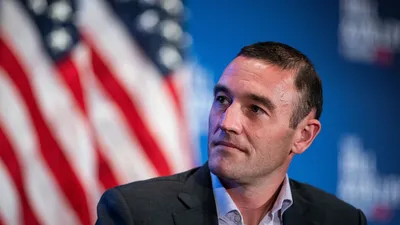
Image: Nytimes
Main Takeaway
Bill Ackman's Pershing Square offers $64.4 billion cash-and-stock deal for Universal Music Group, valuing the music giant at 78% premium.
Jump to Key PointsSummary
The largest music deal in history
Bill Ackman's Pershing Square Capital Management has proposed acquiring Universal Music Group in a cash-and-stock transaction valued at approximately 55.75 billion euros ($64.4 billion), according to announcements from multiple financial outlets including Bloomberg, CNBC, and Reuters. The offer represents a 78% premium to UMG's closing price of 17.1 euros per share, valuing the company at 30.40 euros per share. The structure includes 9.4 billion euros ($10.85 billion) in cash plus 0.77 shares of the newly combined entity for each UMG share held.
Universal Music Group, which represents artists including Taylor Swift, Bad Bunny, Bob Dylan, and The Beatles, has seen its stock price "languish" according to Pershing Square's statement, creating what Ackman views as an opportunistic entry point for the world's largest music label. The deal would rank as one of the largest entertainment acquisitions ever attempted, dwarfing Disney's 2019 purchase of 21st Century Fox assets for $71.3 billion.
What this means for music industry consolidation
The proposed acquisition signals a dramatic acceleration in music industry consolidation, potentially creating the first major music company to be majority-owned by a U.S. hedge fund. Universal Music Group currently controls approximately 32% of global recorded music market share and operates the world's largest music publishing business. The deal would give Pershing Square direct control over catalogs from artists spanning six decades, from The Beatles to Taylor Swift, creating unprecedented concentration of music intellectual property under financial ownership rather than traditional media companies.
This move follows recent industry trends of financial players entering music rights ownership, with private equity firms like Blackstone and KKR acquiring substantial song catalogs. However, Ackman's proposal goes beyond catalog acquisition to full corporate ownership, potentially setting a template for similar mega-deals across the entertainment sector. The transaction would likely trigger regulatory scrutiny in multiple jurisdictions given UMG's dominant market position.
Why Ackman wants UMG now
Pershing Square's timing appears driven by several converging factors. Streaming growth has stabilized after explosive pandemic-era gains, creating what Ackman views as a more predictable cash flow profile. Universal's revenue from streaming platforms has grown consistently at 8-12% annually, providing the steady cash generation that aligns with Pershing Square's investment philosophy. Additionally, the company's stock has traded at a discount to intrinsic value due to concerns about TikTok licensing disputes and broader tech sector volatility.
The acquisition vehicle structure allows Pershing Square to effectively merge its publicly traded acquisition company with UMG, creating a new U.S.-listed entity that combines Pershing's capital markets expertise with UMG's cash-generative business. This mirrors Warren Buffett's approach of using Berkshire Hathaway as a permanent capital vehicle for acquiring high-quality businesses, which Fortune notes is Ackman's explicit model for transforming Pershing Square into a "modern-day Berkshire Hathaway" with music as its anchor asset.
The impact on streaming platforms and artists
A Pershing Square-owned Universal Music could fundamentally alter relationships with streaming platforms like Spotify, Apple Music, and YouTube. As a financial owner rather than strategic media company, Pershing might pursue more aggressive licensing terms to maximize returns, potentially leading to higher streaming costs for consumers. The hedge fund's track record includes successful activist campaigns at companies like Canadian Pacific Railway, suggesting they won't hesitate to use UMG's market power in negotiations.
For artists, the deal presents mixed implications. Pershing Square's ownership could bring more sophisticated financial management to royalty structures, potentially benefiting top-tier artists with complex catalog deals. However, the profit-maximization mandate might also pressure mid-tier artists through more aggressive contract terms. Taylor Swift's own battles over master recordings highlight the tensions that can emerge when financial players control artistic catalogs, though UMG has generally maintained better artist relations than competitors.
What happens next
The path forward involves several critical milestones. UMG's board must formally respond to the non-binding proposal within 30-45 days under Dutch corporate governance rules. Given the substantial premium offered, shareholder pressure for acceptance will be intense, though Vivendi retains 10% ownership and has historically resisted outside control. Regulatory approval processes will unfold across the EU, U.S., and potentially China given UMG's global operations.
Market reaction has been swift, with UMG shares jumping 25% in Amsterdam trading following the announcement. However, the deal faces potential antitrust challenges given Universal's dominant market position. The European Commission has previously scrutinized music industry consolidation, and this deal would create the largest single owner of music copyrights in history. Completion timeline likely extends 12-18 months assuming regulatory approval, with potential for competing bids from other financial players or strategic buyers.
Key Points
Pershing Square offers $64.4 billion for Universal Music Group, representing 78% premium to current trading price
Deal structure combines $10.85 billion cash with 0.77 shares of new combined entity per existing UMG share
Universal Music Group controls 32% of global recorded music market and represents major artists from The Beatles to Taylor Swift
Acquisition would create first major music company majority-owned by U.S. hedge fund, following Berkshire Hathaway model
Regulatory approval expected to take 12-18 months across multiple jurisdictions given UMG's dominant market position
Questions Answered
Pershing Square has proposed a $64.4 billion cash-and-stock deal, valuing UMG at 30.40 euros per share compared to its recent closing price of 17.1 euros.
This represents the first attempt by a major hedge fund to acquire complete ownership of a major music company, rather than just purchasing individual song catalogs or partial stakes.
Universal Music Group represents Taylor Swift, Bad Bunny, Bob Dylan, The Beatles, Drake, Adele, and thousands of other artists across six decades of music.
The transaction faces antitrust scrutiny from the EU, US, and potentially China due to UMG's 32% global market share, with approval processes expected to take 12-18 months.
Ackman cites UMG's "languished" stock price and sees the stable streaming cash flows as ideal for creating a permanent capital vehicle modeled after Berkshire Hathaway.
A financially-owned UMG might pursue more aggressive licensing terms, potentially leading to higher costs for streaming platforms and ultimately consumers.
Source Reliability
50% of sources are highly trusted · Avg reliability: 79
Go deeper with Organic Intel
Simple AI systems for your life, work, and business. Each one includes copyable prompts, guides, and downloadable resources.
Explore Systems