Supermicro Launches Internal Probe After $2.5B China Server Smuggling Indictment
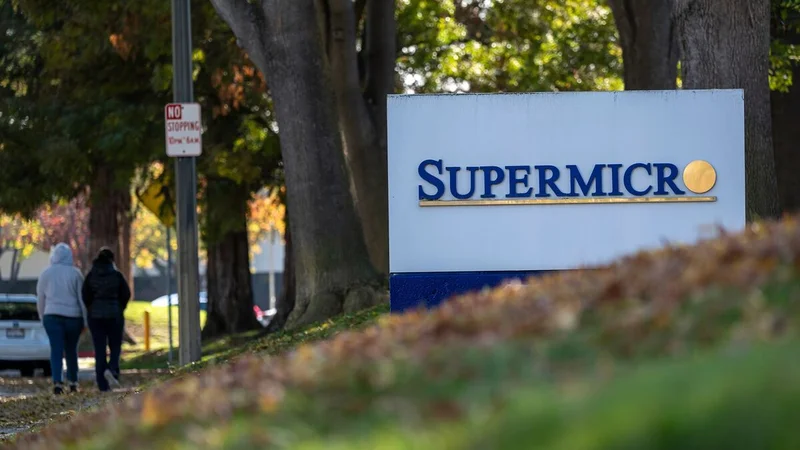
Image: Bloomberg AI
Main Takeaway
Supermicro faces third internal investigation since 2017 as federal indictment alleges co-founder and employees diverted Nvidia GPU servers worth $2.5B to.
Summary
The indictment that triggered everything
Federal prosecutors unsealed an indictment in March charging Supermicro co-founder Charles Liang and two other employees with orchestrating a scheme to ship $2.5 billion worth of servers containing Nvidia GPUs to China. According to the Southern District of New York, the group used fake documents, shell companies, and fraudulent compliance certifications to bypass U.S. export controls. The servers allegedly went to Chinese entities including AI labs and government-linked organizations, directly violating restrictions on advanced semiconductor exports. This represents one of the largest known violations of U.S. export controls in the AI hardware space.
Supermicro's response and third investigation
Supermicro's board immediately formed a special committee of independent directors, led by two board members, to investigate the allegations. They've hired outside counsel to conduct what Bloomberg reports is the company's third internal investigation since 2017. The previous probe in 2024 cleared management of fraud or misconduct, but this new investigation faces significantly more scrutiny given the federal indictment. The company stated it's cooperating fully with authorities while conducting its own parallel review of sales practices and compliance procedures.
Nvidia's precarious position
Nvidia's relationship with Supermicro hangs in the balance. Fortune reports that Nvidia CEO Jensen Huang's personal friendship with Liang won't protect the partnership if compliance issues persist. Bernstein analysts warn that losing Nvidia GPU allocations could be "devastating" for Supermicro, which built its $4 trillion market valuation largely on Nvidia partnerships. The scandal also puts Nvidia in an awkward position, as Huang previously claimed there was "no evidence" of chip diversions to China. This directly contradicts the indictment's allegations.
Market impact and investor concerns
Supermicro's stock dropped sharply following the indictment news, with investors particularly concerned about potential loss of Nvidia GPU allocations. The company's rapid growth was fueled by demand for AI servers, making any disruption in the Nvidia relationship existential. Morningstar notes this could force a broader reevaluation of how U.S. tech companies manage China sales, potentially leading to stricter compliance requirements across the industry.
What this means for AI export controls
The scale of the alleged violation ($2.5B) suggests systemic gaps in enforcement of semiconductor export restrictions. Cryptorank reports the U.S. government is now scrutinizing similar diversion schemes, which could lead to tighter controls on AI hardware sales globally. This impacts not just Supermicro but the entire ecosystem of server manufacturers, distributors, and resellers. The case may establish new precedents for corporate liability when employees circumvent export controls, even without explicit management approval.
The impact on enterprise AI buyers
Enterprise customers face immediate uncertainty about Supermicro's ability to fulfill existing orders for AI servers. Fortune reports some large buyers are already exploring alternative suppliers, fearing potential supply disruptions. The scandal also raises questions about the provenance of AI hardware in global markets, particularly for companies with strict compliance requirements. This could accelerate diversification away from Supermicro toward Dell, HPE, or Lenovo for mission-critical AI infrastructure.
What happens next
The special committee investigation will likely take 3-6 months to complete, during which Supermicro operates under a cloud of uncertainty. Key milestones include: potential additional indictments as prosecutors follow the money trail, Nvidia's decision on whether to continue GPU allocations, and any settlement discussions with the DOJ. The outcome could reshape how AI hardware companies structure international sales, potentially requiring more direct oversight of all China-bound shipments. This case may also influence upcoming revisions to export control regulations expected later this year.
Key Points
Federal indictment charges Supermicro co-founder and employees with $2.5B server smuggling scheme to China using fraudulent export control evasion
Company launches third internal investigation since 2017, hiring outside counsel to probe sales practices and compliance procedures
Nvidia partnership at risk as CEO Jensen Huang's previous claims of no chip diversions to China are directly contradicted by indictment
Potential loss of Nvidia GPU allocations could devastate Supermicro's business model built on AI server demand
Case may establish new precedents for corporate liability and lead to tighter AI hardware export controls globally
FAQs
Federal prosecutors allege Supermicro co-founder Charles Liang and two employees orchestrated a $2.5 billion scheme to ship Nvidia GPU servers to China using fake documents, shell companies, and fraudulent compliance certifications to bypass U.S. export controls.
Potentially existential. Supermicro built its $4 trillion valuation largely on Nvidia partnerships. Losing GPU allocations could devastate the company, making this their most serious crisis since previous investigations in 2017 and 2024.
Enterprise customers face uncertainty. Some are already exploring Dell, HPE, or Lenovo alternatives fearing supply disruptions. The investigation timeline suggests 3-6 months of continued uncertainty around order fulfillment.
Yes. The case may lead to stricter export controls and compliance requirements across the industry, potentially reshaping how all AI hardware companies structure international sales, particularly to China.
Nvidia isn't charged, but the case directly contradicts CEO Jensen Huang's previous claims about no evidence of chip diversions. The company must decide whether to continue GPU allocations to Supermicro, which could determine Supermicro's survival.
Source Reliability
38% of sources are trusted · Avg reliability: 65
Go deeper with Organic Intel
Our AI for Your Business systems give you practical, step-by-step guides based on stories like this.
Explore ai for your business systems