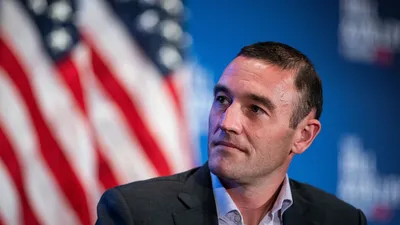
How Delta's CEO Turned Bankruptcy Into America's Most Profitable Airline

Image: Fortune AI
Main Takeaway
Ed Bastian's 18-year journey from CFO during bankruptcy to CEO of America's most profitable airline, built on employee profit-sharing and a transformative.
Jump to Key PointsSummary
The bankruptcy that launched a turnaround
Delta filed for bankruptcy in 2005 with $20 billion in debt. Ed Bastian, then CFO, helped craft the restructuring plan that emerged in 2007. The airline shed pension obligations, renegotiated labor contracts, and focused on operational reliability. Within three years, Delta posted its first annual profit since 2000.
Building the Amex revenue machine
The Delta-American Express partnership, launched in 1996, now generates over 10% of Delta's revenue through co-branded credit cards. Bastian renegotiated the deal in 2019, securing a 10-year extension worth $7 billion. The partnership works because both companies stopped fighting over individual transaction fees and instead focused on growing the total customer base.
Why profit-sharing beats traditional compensation
Delta shares $1.3 billion annually with 100,000 employees through profit-sharing—averaging $13,000 per worker. This approach, implemented after bankruptcy, helped rebuild trust with unions while creating a culture where employees act like owners. Gate agents now routinely rebook passengers on competitors when it serves the customer, knowing they'll benefit when Delta wins long-term.
Operational excellence as competitive moat
Post-bankruptcy, Delta invested heavily in operational reliability—achieving 260 days without a mainline flight cancellation in 2023. The airline focused on aging aircraft refurbishment rather than new plane purchases, creating a premium experience at lower capital costs. This strategy generated 20%+ margins while competitors struggled with new aircraft delivery delays.
What this means for other legacy carriers
American and United are now copying Delta's playbook—focusing on premium revenue, operational reliability, and partnerships. But Delta's 18-year head start in rebuilding employee relationships and customer loyalty creates a durable advantage. The airline now commands 20-30% revenue premiums on overlapping routes.
The next battleground: premium leisure travel
Delta's next growth phase targets high-spending leisure travelers, not just business flyers. The airline is expanding premium cabin configurations and building exclusive lounges. This shift increased premium revenue from 15% to 35% of total sales since 2015, insulating Delta from business travel volatility.
What happens next
With $3 billion in annual free cash flow, Delta faces new challenges: pilot contract negotiations, aircraft delivery delays, and rising fuel costs. Bastian's strategy centers on maintaining operational excellence while expanding the premium leisure segment. The airline plans to return $2 billion annually to shareholders through buybacks and dividends, betting that consistent execution will continue driving superior returns.
Key Points
Delta emerged from 2005 bankruptcy to become America's most profitable airline under Ed Bastian's leadership
American Express partnership now generates over $1.3 billion annually, representing 10%+ of total revenue
Employee profit-sharing program distributes $1.3 billion yearly, averaging $13,000 per worker
Operational reliability achievements include 260+ days without mainline flight cancellations
Premium leisure travel strategy increased premium revenue share from 15% to 35% since 2015
Questions Answered
Through operational restructuring, debt reduction, renegotiated labor contracts, and strategic investments in reliability and premium customer experience rather than new aircraft purchases.
Instead of competing over individual transaction fees, both companies focused on expanding the total customer base, creating a partnership worth $7 billion over 10 years.
Delta distributes $1.3 billion annually to 100,000 employees based on company profits, averaging $13,000 per worker and creating an ownership culture.
While American and United now implement similar approaches, Delta's 18-year head start in rebuilding employee relationships and customer loyalty creates sustainable competitive advantages.
Source Reliability
38% of sources are highly trusted · Avg reliability: 64
Go deeper with Organic Intel
Simple AI systems for your life, work, and business. Each one includes copyable prompts, guides, and downloadable resources.
Explore Systems