Prediction markets flagged their own insider trades, CFTC still vows crackdown

Image: Congress
Main Takeaway
Blockchain records show Polymarket and Kalshi spotted suspicious bets before regulators moved, raising the question of why Congress wants to shutter platforms that police themselves better than Wall Street.
Jump to Key PointsSummary
Federal prosecutors open investigation into prediction market insider trading
Federal prosecutors in Manhattan have launched an active probe into whether lucrative bets on prediction markets violate insider trading and other laws, according to CNN. The securities and commodities fraud unit of the US attorney's office for the Southern District of New York recently met with representatives from major platforms to discuss suspicious trading patterns. The investigation comes amid growing evidence of well-timed trades that anticipated major policy announcements and global events. Reuters reports that suspicious wagers on everything from US military actions to Trump policy surprises have finally prompted officials to take action after months of speculation about insider trading activities.
But here's the twist: the platforms themselves already flagged these trades. Fortune reports that blockchain-based platforms Polymarket and Kalshi leave public, immutable trails that exposed the suspicious activity before regulators caught wind. Every bet, every wallet, every timestamp sits in plain view—unlike traditional markets where trades vanish into dark pools and private brokerages.
CFTC's new enforcer draws a hard line
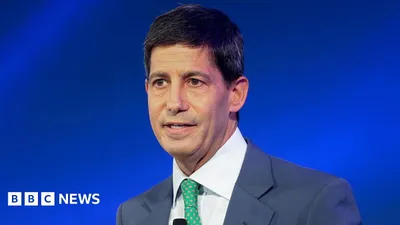
David Miller, who took over as CFTC enforcement director on March 2, made his first public remarks on the issue at a New York University panel. "We will aggressively detect, investigate, and, where appropriate, prosecute insider trading in the prediction markets," Miller declared, according to Fortune. Miller directly refuted what he called a "myth" that insider trading laws don't apply to prediction markets. "Unfortunately there's a myth in mainstream media and social media that insider trading law doesn't apply to prediction markets," he told Bloomberg Law, emphasizing that existing commodities laws cover these platforms.
The CFTC followed up with formal guidance on April 2, issuing an advisory that makes clear the agency views prediction market contracts as subject to the same insider trading prohibitions as traditional commodities markets.
Congressional pressure reaches boiling point
Over 40 Democratic lawmakers, led by Senators Mark Warner and Elizabeth Warren, sent letters to the CFTC and Office of Government Ethics demanding immediate action on prediction markets. Their concern centers on what they call "gaps" in federal oversight that allow well-connected individuals to profit from non-public information.
The lawmakers' push comes despite evidence that prediction markets actually provide better transparency than traditional financial markets. Fortune's analysis shows Kalshi and Polymarket users can trace suspicious trades in real time using public blockchain explorers—something impossible with stock trades routed through private exchanges.
The transparency paradox
Here's where it gets interesting. While regulators threaten crackdowns, the very transparency that makes these platforms vulnerable to scrutiny also makes them uniquely accountable. Every suspicious bet on Polymarket leaves a permanent digital fingerprint. Compare that to traditional insider trading cases, where prosecutors spend years subpoenaing phone records and trading logs from banks that "accidentally" delete data.
Fortune interviewed crypto researchers who identified specific wallet addresses that placed unusually large bets minutes before major announcements. These addresses are still visible, their funds still traceable. The platforms didn't hide the activity—they couldn't. The blockchain wrote it in stone.
Key Points
Prediction markets' public blockchains exposed insider trades before regulators acted
Polymarket and Kalshi leave permanent, traceable records of all transactions
CFTC enforcement chief David Miller confirms prediction markets face same insider trading laws as traditional commodities
Over 40 Democratic lawmakers push for tighter regulation despite platforms' superior transparency
Blockchain analysis shows suspicious bets placed minutes before major policy announcements
Questions Answered
Every trade on blockchain-based platforms like Polymarket and Kalshi creates a permanent public record. Researchers can trace wallet addresses, bet sizes, and timing in real time using blockchain explorers—transparency impossible in traditional stock markets.
No. CFTC enforcement director David Miller confirmed prediction market contracts fall under the same insider trading prohibitions as traditional commodities markets, debunking claims that these platforms operate in a legal gray area.
40+ Democratic lawmakers argue prediction markets create opportunities for insider trading despite evidence showing these platforms provide better transparency than regulated exchanges. They cite 'gaps' in oversight while ignoring the public blockchain records.
Source Reliability
53% of sources are highly trusted · Avg reliability: 81
Go deeper with Organic Intel
Simple AI systems for your life, work, and business. Each one includes copyable prompts, guides, and downloadable resources.
Explore Systems