Microsoft Locks Chevron Into $7B Texas Gas Plant to Feed AI Power Hunger
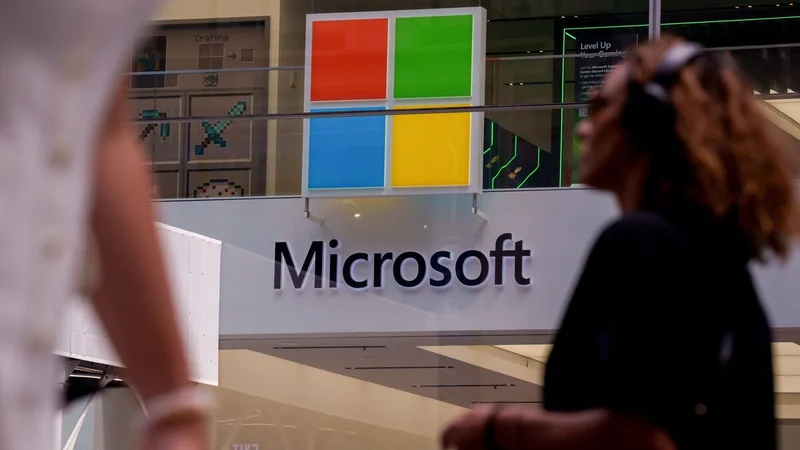
Image: Bloomberg AI
Main Takeaway
Exclusive talks would pair a 2.5 GW West Texas gas plant with Microsoft data centers, creating the largest Big Oil-Big Tech energy marriage yet.
Summary
What the deal actually is
Microsoft, Chevron and activist-investor turned energy-builder Engine No. 1 have signed an exclusivity agreement to negotiate a $7 billion natural-gas-fired power plant in West Texas, Bloomberg first reported. The plant would start at 2.5 gigawatts—enough electricity for roughly 2 million homes—with the option to double capacity as Microsoft’s AI workloads scale. No final contracts are signed and commercial terms remain fluid, Chevron and Microsoft cautioned in near-identical statements. Still, the three-month exclusivity window bars rivals from the table and signals intent to close before summer.
Why this matters for AI infrastructure
Data-center electricity demand in the U.S. is projected to triple by 2030, driven almost entirely by generative AI training and inference. Grid operators from Texas to Virginia are already warning of multi-year connection queues. By co-locating generation and compute, Microsoft short-circuits that bottleneck and locks in predictable—if carbon-intensive—power pricing for the next two decades. The move also mirrors Amazon’s recent nuclear deals and Google’s geothermal bets, confirming that hyperscalers now treat energy supply as core IP rather than a commodity.
The West Texas angle
The Permian Basin offers two irresistible ingredients: cheap, abundant gas and permissive regulation. Flared gas that once went to waste can now be piped a few miles to turbines purpose-built for Microsoft racks. State officials have already sketched fast-tracked permitting timelines, and ERCOT’s isolated grid means the plant can sell excess juice at scarcity prices when data-center load dips. In effect, Microsoft becomes a merchant power player while Chevron monetizes molecules it already controls.
Environmental and ESG friction
Engine No. 1 made its name pushing Exxon to decarbonize; now it’s backing 2.5 GW of new fossil generation. The irony isn’t lost on climate groups who note that Microsoft’s 2030 carbon-negative pledge predicated on renewable PPAs is now being sanded down by a gas plant that could emit 8–10 million tons of CO₂ per year. Microsoft counters that the facility will use “best-in-class” carbon-capture-ready turbines and renewable-gas credits, but details remain fuzzy.
Competitive ripple effects
AWS and Google have both sworn off new gas plants, betting on nuclear and renewables instead. If Microsoft’s gamble stabilizes power costs while rivals face volatile grid pricing, the balance of cloud margins could tilt. Expect Oracle and Meta—both expanding Texas footprints—to accelerate their own energy hunts. Meanwhile, Chevron’s peers (Shell, BP, TotalEnergies) now have a template for monetizing stranded gas assets in tech-hungry markets.
What happens next
The exclusivity clock runs through June. Key open items: final equity splits (Engine No. 1 likely takes 25–30%), power-purchase-agreement rates, and carbon-capture capex allocation. If talks collapse, Microsoft still walks away with site data and leverage for a different gas or SMR project. A signed deal probably triggers a federal permitting sprint and construction start by Q1 2027, aiming for first electrons in 2029.
Key Points
Exclusive talks value the West Texas gas plant at $7 billion and 2.5 GW, expandable to 5 GW.
Co-location strategy bypasses congested Texas grid and secures long-term power pricing for AI workloads.
Deal marks the largest direct energy partnership between a U.S. oil giant and a hyperscaler.
Engine No. 1—known for climate activism—now backing fossil generation raises ESG questions.
AWS and Google’s competing zero-carbon bets could face margin pressure if gas delivers cheaper electrons.
FAQs
If negotiations conclude this summer, construction could begin Q1 2027 and first electrons would flow by 2029, according to Chevron’s timeline cited by Bloomberg.
Microsoft claims the turbines will be carbon-capture-ready and offset with renewable-gas credits, but independent estimates suggest 8–10 million tons of annual CO₂, putting pressure on offsets.
The Permian offers stranded cheap gas, fast permitting, and an isolated ERCOT grid that lets Microsoft act as a merchant power seller when data-center load dips.
The exclusivity agreement expires in June. Microsoft retains site data and can pivot to small modular reactors or alternative gas suppliers, while Chevron keeps the generation blueprint for other buyers.
Roughly the output of two large nuclear reactors—enough electricity for about 2 million homes, or a medium-sized U.S. city.
Source Reliability
43% of sources are trusted · Avg reliability: 67
Go deeper with Organic Intel
Our AI for Your Business systems give you practical, step-by-step guides based on stories like this.
Explore ai for your business systems