Trump's Gulf drilling expansion faces extinction showdown over 50 remaining Rice's whales
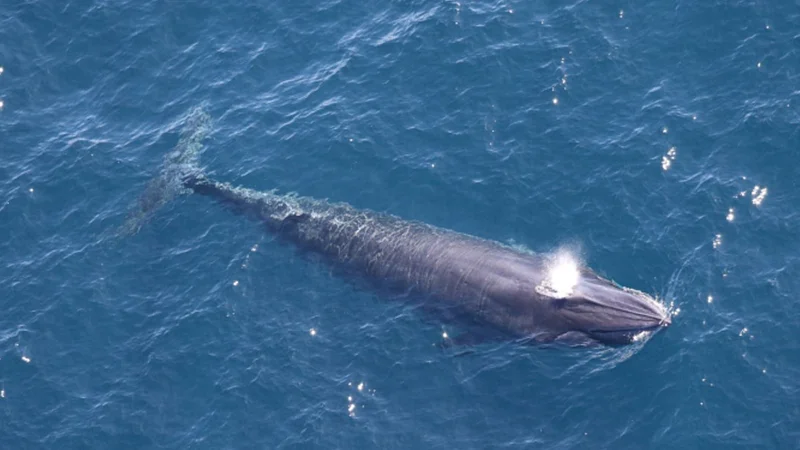
Image: Fortune AI
Main Takeaway
Federal 'God Squad' panel weighs Endangered Species Act exemption for massive offshore drilling plan that scientists say could doom world's rarest whale.
Jump to Key PointsSummary
How 50 whales could block 1.27 billion acres of drilling
The Trump administration's plan to open virtually the entire U.S. outer continental shelf to oil and gas drilling faces an unexpected roadblock: 50 surviving Rice's whales. These marine mammals exist nowhere else on Earth except the Gulf of Mexico, making them uniquely vulnerable to expanded offshore operations.
According to Fortune, the administration's drilling blueprint covers 1.27 billion acres of ocean territory. The Rice's whale population has already crashed from an estimated 100 individuals to just 50, with scientists warning that any additional stress could trigger extinction.
The whales face multiple threats from expanded drilling operations. Vessel strikes pose immediate risks as shipping traffic increases. Seismic surveys used to locate oil deposits generate noise pollution that disrupts whale communication and navigation. Most critically, oil spills could decimate the remaining population since these whales never leave gulf waters.
Inside the 'God Squad' deciding the whale's fate
A federal panel nicknamed the "God Squad" convened Tuesday for the first time since 1992 to consider exempting Gulf drilling from Endangered Species Act protections. The Endangered Species Committee, comprising Trump administration officials, could override conservation requirements based on unspecified national security concerns.
The Washington Post reports this marks only the seventh time in history such exemptions have been considered. Critics argue the panel's composition—stacked with administration appointees—makes it likely to prioritize energy development over species survival.
Earthjustice litigation director Drew Caputo called the exemption process "an extinction committee" in comments to The New Republic. The panel's decision could set precedent for bypassing environmental protections across federal lands and waters.
What scientists say about extinction risk
Marine biologists paint a stark picture. Rice's whales represent one of the most endangered marine mammal populations globally, with genetic diversity so low that recovery becomes increasingly difficult each time the population drops.
Noise from seismic surveys can mask whale calls over hundreds of miles, according to research cited by Inside Climate News. This acoustic pollution interferes with feeding, mating, and mother-calf bonding behaviors essential for population recovery.
Oil spill modeling by NOAA suggests a single major spill could kill 20-40% of remaining whales through direct contact and food chain contamination. Since these whales spend their entire lives within gulf waters, they cannot escape localized disasters.
The species' restricted range makes it exceptionally vulnerable. Unlike other whales that migrate across oceans, Rice's whales are permanent gulf residents, meaning any habitat degradation affects the entire population.
The legal battle shaping up
Environmental groups have filed multiple lawsuits challenging both the drilling plan and the exemption process. A federal judge declined to block Tuesday's God Squad meeting, but litigation continues over the broader drilling authorization.
Earthjustice attorneys argue the administration violated federal law by failing to adequately consider the whale's plight in environmental reviews. The cases could take years to resolve, potentially freezing new drilling permits in the interim.
NRDC senior attorney Michael Jasny told NBC News the exemption process itself appears designed to circumvent normal environmental review requirements. Legal challenges focus on whether national security claims justify overriding species protections.
The outcome could determine whether similar exemptions get applied to other threatened species across federal lands, creating a precedent with far-reaching implications for U.S. conservation policy.
Economic stakes versus environmental costs
The administration argues expanded drilling could generate $590 billion in economic activity and create 400,000 jobs, according to figures cited by the New York Times. Industry groups claim advanced safety technology makes catastrophic spills unlikely.
However, economists note these projections assume sustained high oil prices and ignore potential costs from environmental damage. The 2010 Deepwater Horizon spill cost BP over $65 billion in cleanup and legal settlements, providing a reality check on risk calculations.
Tourism and fishing industries generate $17 billion annually in gulf states, according to federal data. Environmental advocates argue these sustainable industries face greater risk from oil development than potential gains from drilling.
The economic debate extends beyond immediate revenues. Coastal communities increasingly rely on healthy marine ecosystems for long-term economic stability, making short-term drilling gains potentially costly over decades.
What happens next for all sides
The God Squad must decide within 30 days whether to grant the exemption. If approved, environmental groups will likely seek emergency court intervention while pursuing longer-term litigation.
Congressional Democrats have introduced legislation to strengthen Endangered Species Act protections, though prospects remain uncertain in the current political climate. State attorneys general from coastal states may also file separate legal challenges.
Industry analysts suggest drilling companies may proceed cautiously even with exemptions, fearing legal uncertainty and potential permit challenges could delay projects for years. Major oil companies have increasingly divested from high-risk offshore projects as investors prioritize environmental concerns.
The whale population's trajectory will influence ongoing debates. Scientists warn that losing even 5-10 more individuals could make recovery mathematically impossible, creating a permanent bottleneck for the species.
Key Points
Rice's whale population has collapsed from 100 to just 50 individuals, making it among the world's most endangered marine mammals
Trump administration's drilling plan covers 1.27 billion ocean acres with Rice's whales existing only in the Gulf of Mexico
Federal 'God Squad' panel met for first time since 1992 to consider Endangered Species Act exemption for national security
Scientists warn seismic surveys, vessel strikes, and oil spills pose existential threats to remaining whale population
Legal battles could delay drilling permits for years regardless of exemption decision
Questions Answered
Rice's whales are unique because they exist nowhere else on Earth except the Gulf of Mexico. This geographic restriction makes them exceptionally vulnerable to localized threats like oil spills, unlike other whale species that can migrate to safer waters.
The Endangered Species Committee, nicknamed 'God Squad,' can override Endangered Species Act protections if members determine economic benefits outweigh extinction risks. The panel includes high-ranking administration officials and has only met seven times since its creation in 1978.
The committee must issue its decision within 30 days of Tuesday's meeting. Environmental groups can immediately challenge any exemption in federal court, potentially freezing new drilling permits during multi-year litigation.
Yes, but companies would face stricter environmental reviews and potential permit denials. Industry analysts suggest legal uncertainty may discourage investment regardless of the exemption outcome, as protracted court battles could delay projects indefinitely.
This case sets a critical precedent. If the administration successfully exempts Gulf drilling from species protections, similar arguments could be applied to other threatened species across federal lands, potentially weakening the Endangered Species Act nationwide.
Source Reliability
31% of sources are highly trusted · Avg reliability: 69
Go deeper with Organic Intel
Simple AI systems for your life, work, and business. Each one includes copyable prompts, guides, and downloadable resources.
Explore Systems