Carney Makes Bilingual CEO Mandatory After Air Canada Crash Message Sparks Political Firestorm
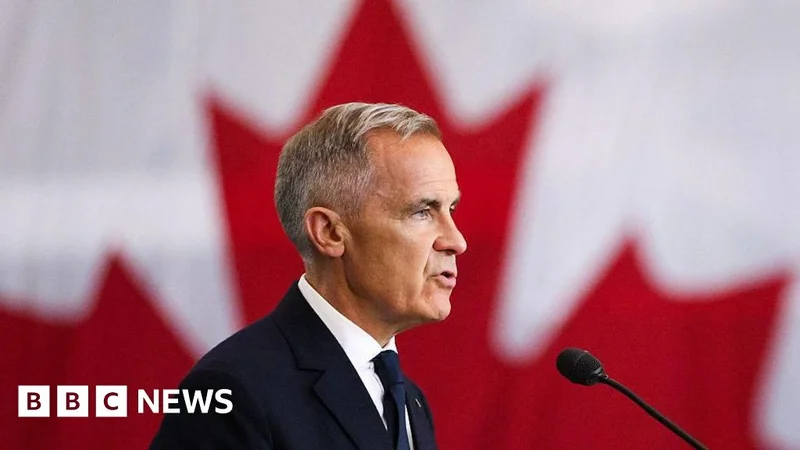
Image: Bbc
Main Takeaway
Mark Carney demands Air Canada's next leader speak both official languages after CEO Michael Rousseau's English-only condolences for LaGuardia crash.
Jump to Key PointsSummary
The English-only video that lit a political fuse
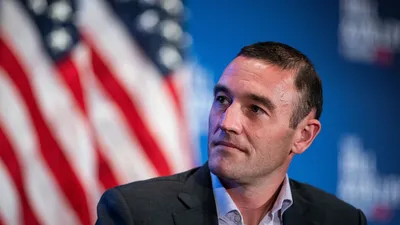
Air Canada CEO Michael Rousseau posted a 90-second English-only condolence video on March 23, hours after two pilots died when an Air Canada regional jet collided with a fire truck at LaGuardia. One pilot was Quebec-born. Within 24 hours the clip had 561 complaints to Canada's language commissioner and unanimous condemnation from Quebec's legislature. By March 30 Rousseau and the board agreed he would retire "later this year" and Prime Minister Mark Carney declared the next CEO must be bilingual.
Why the reaction was so fierce
Canada operates under the Official Languages Act, which gives French and English equal status. Air Canada, headquartered in Montreal since 1937, is legally bound to provide services in both languages. Rousseau had been taking French lessons for "several years" but admitted he "could not express himself adequately" when grief-stricken families needed comfort. Quebec Premier François Legault called the omission a "lack of respect for the French language at a moment of national mourning." The crash itself killed two pilots and injured eight passengers, making the messaging failure feel personal to francophones.
The corporate calculus behind a forced exit
Air Canada's board initially backed Rousseau on March 25, saying he would not resign. Five days later they flipped. Political pressure came from every angle: Carney's public disappointment, a unanimous National Assembly motion demanding resignation, and threats of boycotts from Quebec travel agencies. The airline carries 35% of its traffic through Montreal-Trudeau and relies on federal landing-slot allocations. Sources close to the board told Fortune the cost of sustained political warfare outweighed keeping a four-year CEO who had overseen record profits but never mastered the language of 23% of customers.
What happens to Air Canada's succession plan
Rousseau's departure triggers the first open CEO search since 2009. Insiders say internal candidates like Chief Commercial Officer Lucie Guillemette (native French speaker) and CFO Amos Kazzaz are obvious front-runners. External names floated by aviation analysts include former WestJet CEO Ed Sims and former Transat chief Annick Guérard. Carney's edict narrows the field to roughly 7 million Canadians who claim bilingual proficiency. The board must balance language requirements against turnaround expertise; Air Canada lost C$1.7 billion during the pandemic and still carries C$7 billion in net debt.
A new bar for C-suite cultural fluency
The episode marks the first time a sitting Canadian prime minister has explicitly tied language ability to a corporate leadership role. Corporate-governance experts say it signals that cultural competence is now a fiduciary duty, not just a nice-to-have. Boards across Canada's telecom, banking and energy sectors are quietly reviewing succession plans with fresh scrutiny on bilingual capacity. Rousseau leaves with a C$7 million exit package and the distinction of being the first S&P/TSX60 CEO to resign over language since 1977's "Coke vs Pepsi" language wars.
The broader political stakes for Carney
Carney, sworn in just weeks ago, used the crisis to assert federal authority over a company that Ottawa privatized in 1988 but still regulates heavily. His blunt ultimatum shores up support among Quebec voters ahead of a likely fall election and distances him from predecessor Justin Trudeau's softer federalism. Conservatives accuse him of "constitutional overreach," while Quebec nationalists claim vindication for decades of language-rights activism. Either way, Carney has redefined bilingualism from a legal checkbox to a moral imperative for any firm wanting to operate coast-to-coast in Canada.
What happens next
Air Canada will name an interim CEO within 30 days while launching a six-month global search. Language tests will now be part of the final vetting process. Parliament may update the Official Languages Act this fall to extend bilingual requirements to all federally regulated transport companies. For Rousseau, sources say he's taking an extended French immersion course in Charlevoix and has declined several U.S. airline board invitations, telling friends he wants to "get the language right this time."
Key Points
Air Canada CEO Michael Rousseau resigned after posting English-only condolences for LaGuardia crash that killed two pilots, one Quebec-born.
Prime Minister Mark Carney explicitly required the next CEO to be bilingual, the first such federal mandate for a privatized crown corporation.
Quebec legislature passed unanimous motion demanding resignation; 561 formal language complaints filed within 48 hours.
Air Canada board reversed initial support after sustained political pressure from Ottawa and Quebec City.
Succession search now limited to bilingual candidates, reshaping Canada's corporate leadership pipeline across federally regulated sectors.
Questions Answered
Canada has two official languages with equal legal status. Air Canada, based in Montreal since 1937, must provide services in both. One crash victim was Quebec-born, making the omission feel personal to francophones during a national tragedy.
Air Canada is federally regulated and its landing rights, routes and pension rules depend on Ottawa's goodwill. While Carney can't legally mandate bilingualism, political and regulatory pressure made compliance the only viable path.
Boards across banking, telecom and energy sectors are reviewing succession plans. Cultural fluence is now viewed as a fiduciary duty rather than a soft skill, especially for companies with significant Quebec operations or federal oversight.
Carney hasn't defined proficiency levels, but Air Canada's job spec will likely require advanced French to conduct media interviews, employee meetings and customer communications without interpreters.
Source Reliability
45% of sources are highly trusted · Avg reliability: 81
Go deeper with Organic Intel
Simple AI systems for your life, work, and business. Each one includes copyable prompts, guides, and downloadable resources.
Explore Systems