Hollywood Braces for 'Tilly Tax': Actors Union Demands Royalties on AI Performers
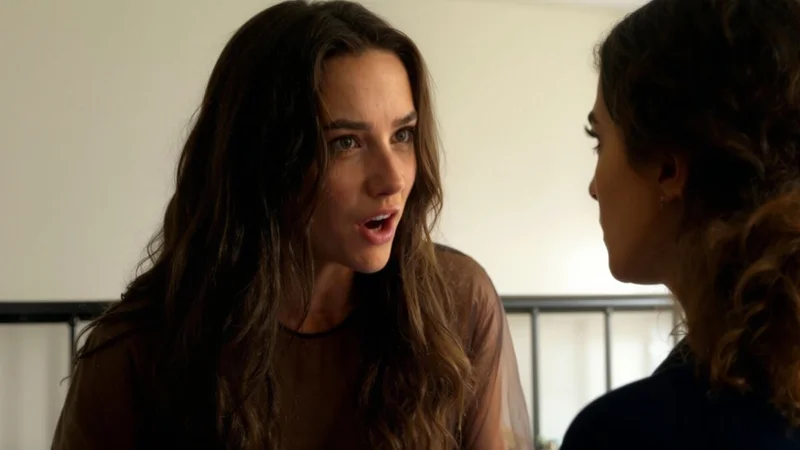
Image: Bloomberg AI
Main Takeaway
SAG-AFTRA wants studios to pay a royalty into union funds every time they use synthetic actors like Tilly Norwood, the AI performer who sparked industry.
Jump to Key PointsSummary
The 'Tilly Tax' Explained
SAG-AFTRA is pushing for a new royalty scheme that would require studios to pay into union pension and health funds whenever they deploy AI-generated performers instead of human actors. The demand, dubbed the "Tilly Tax" after the controversy surrounding AI actress Tilly Norwood, will be a centerpiece of contract talks that started Monday and run through June 30 when the current agreement expires. Executive Director Duncan Crabtree-Ireland told the AFL-CIO summit that collective bargaining has become "the fastest and most effective way for the regulation of AI technology" as federal legislation stalls.
What This Means for Hollywood Labor
The union's stance marks a strategic pivot from trying to ban synthetic actors outright to monetizing their use. Variety reports that SAG-AFTRA leadership views the tax as a pragmatic acknowledgment that they can't stop AI advances but can extract compensation for displaced workers. The proposed fee structure remains under negotiation, but the principle is clear: every digital performer generates revenue for human actors' retirement and medical coverage. Crabtree-Ireland emphasized that without union intervention, studios could replace background actors, day players, and eventually leads with unpaid digital replicas.
The Tilly Norwood Flashpoint
Tilly Norwood, created by Dutch comedian Eline Van der Velden's Particle6 Productions, became the industry's AI boogeyperson when Xicoia launched her as the "world's first AI talent studio" performer. SAG-AFTRA immediately condemned the synthetic actress as "a character generated by a computer program that was trained on the work of countless professional performers—without permission or compensation." The union urged talent agencies to refuse representation, arguing that signing AI performers legitimizes theft of human actors' likenesses and techniques.
Why Studios Might Actually Agree
Major studios face a calculation: pay modest royalties for synthetic performers or risk another 118-day strike like the 2023 work stoppage that paralyzed production. The Alliance of Motion Picture and Television Producers (AMPTP) enters negotiations knowing that public sentiment favors human performers over digital replacements. Bloomberg suggests the tax could be framed as a sustainability measure, similar to how carbon credits work, allowing studios to use AI while supporting the human workforce that trains future models.
Global Ripple Effects on Content Production
If adopted, the Tilly Tax could become a template for unions worldwide. The UK's Equity union and Canada's ACTRA are watching closely, as international co-productions would need to account for these fees. Streaming platforms like Disney+, which plans user-generated AI content featuring characters like Leia and Elsa, may need to restructure budgets to accommodate performer funds. The mechanism could also influence how video game studios approach synthetic voice acting and motion capture.
What Happens Next
Negotiations between SAG-AFTRA and AMPTP will intensify through spring, with the Tilly Tax representing just one piece of a broader AI governance framework. Sources indicate the union also seeks consent requirements for digital replicas and limitations on using deceased performers' likenesses. If talks stall, the industry could face another work stoppage just as streaming services desperately need new content to retain subscribers. The June 30 contract deadline creates a hard stop that will force both sides toward compromise or confrontation.
Key Points
SAG-AFTRA demands studios pay royalties into union pension/health funds for every AI performer used, dubbed the 'Tilly Tax' after controversial AI actress
Contract negotiations started Monday between actors union and AMPTP, with current agreement expiring June 30
Tilly Norwood, created by Particle6's Xicoia studio, sparked outrage as first AI performer seeking talent agency representation
Union strategy shifted from banning AI actors to monetizing their use through collective bargaining
Policy could become template for international creative unions and streaming platforms using AI content
Questions Answered
A proposed royalty that studios would pay into SAG-AFTRA's pension and health funds every time they use an AI-generated performer instead of a human actor.
The nickname references Tilly Norwood, an AI actress created by Particle6 Productions whose launch in late 2025 crystallized fears about synthetic performers replacing human actors.
SAG-AFTRA and studios must reach agreement by June 30, 2026 when the current contract expires, with negotiations ongoing through spring.
The proposal specifically targets AI performers that replace human actors, though definitions and scope remain under negotiation.
The exact fee structure hasn't been disclosed, but sources suggest it would be proportional to the synthetic performer's screen time and role significance.
Source Reliability
50% of sources are established · Avg reliability: 65
Go deeper with Organic Intel
Simple AI systems for your life, work, and business. Each one includes copyable prompts, guides, and downloadable resources.
Explore Systems