Musk Loses Twitter Fraud Case, Attacks Judge's Bowtie in $4.20 Jury Joke Fallout
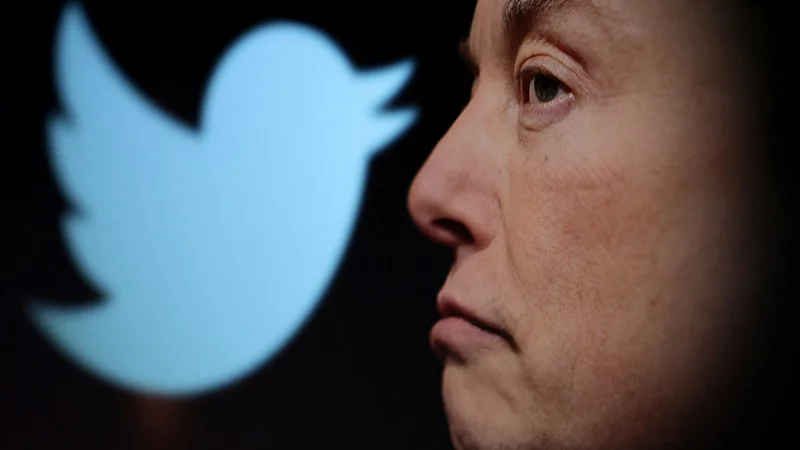
Image: Pbs
Main Takeaway
Jury finds Musk liable for misleading Twitter investors, orders billions in damages. Musk lashes out at judge's fashion choices after $4.20 damages figure.
Jump to Key PointsSummary
What the jury actually decided
A San Francisco jury unanimously found Elon Musk liable for securities fraud during his 2022 Twitter takeover, concluding he deliberately misled investors with false statements about the deal. The verdict delivered March 20th absolved Musk of the most serious "scheme" allegations but held him responsible for making misleading public statements that drove down Twitter's stock price. Damages could reach $2.6 billion according to plaintiff attorneys, though the final amount remains unclear in this class-action case. The jury specifically rejected claims that Musk orchestrated a deliberate fraud scheme, instead finding his public statements about bot accounts and deal terms were materially false when made.
The $4.20 controversy that sparked Musk's fury
Musk's legal team erupted when the jury included $4.20 among potential damages figures in their verdict form, calling it a "bizarre and highly questionable" joke that mocked their client. Defense attorney Alex Spiro fired off a letter to Judge Charles Breyer claiming the reference to 420, a number famously associated with Musk's cannabis tweets and Tesla stock price targets, proves jury bias corrupted the verdict. The filing argues jurors used the damages figure to "send a message" rather than calculate actual losses, transforming a serious securities case into what Spiro calls a "mockery" of judicial process.
Musk's public meltdown over bowties and bias claims
Taking to his own X platform, Musk escalated the dispute by personally attacking Judge Breyer's appearance, specifically mocking the judge's bowtie as evidence of potential bias against him. The posts represent Musk's first public response since losing the case, shifting from legal arguments to personal attacks on the presiding judge. His attorney's formal request for judicial review claims Musk "came into this trial concerned that he could not have a fair trial decided by an impartial jury," pointing to San Francisco's liberal reputation as inherently biased against the billionaire.
Why this matters for securities law
The verdict establishes new boundaries for CEO speech during corporate acquisitions, particularly when executives attempt to renegotiate or exit deals through public statements. Legal experts note this could chill CEO commentary on pending transactions, as the jury found Musk's tweets about Twitter's bot accounts crossed the line from opinion to material misstatement. The case also tests limits of jury behavior, with Musk's team essentially arguing jurors can be disqualified for showing personality in damage calculations. If the judge grants review, it could reshape how damages are presented to juries in securities fraud cases.
What happens next
Judge Breyer must decide whether to investigate potential jury misconduct based on the $4.20 reference, a highly unusual move that could delay final judgment. The damages phase begins separately, where the same jury will determine actual investor losses tied to Musk's statements. Meanwhile, Musk faces similar securities fraud litigation over his 2018 "funding secured" Tesla tweets, with plaintiffs likely emboldened by this victory. The ultimate payout could exceed $2 billion once the class-action mechanism calculates losses for all affected Twitter shareholders from the 2022 period.
Key Points
San Francisco jury found Musk liable for securities fraud over misleading Twitter investors during 2022 takeover, with potential damages up to $2.6 billion
Musk's legal team claims jury bias after $4.20 appeared in damages calculations, calling it a mocking reference to his infamous cannabis tweets
Musk personally attacked Judge Charles Breyer's bowtie on X platform, escalating from legal arguments to personal insults
Verdict establishes new limits on CEO public statements during corporate acquisitions, particularly when attempting to renegotiate deals
Judge must now decide on reviewing potential jury misconduct while separate damages phase determines actual investor losses
Questions Answered
The jury set liability but didn't determine damages yet. Plaintiff attorneys claim up to $2.6 billion, though the final amount depends on a separate damages phase calculating actual investor losses from Musk's misleading statements.
Musk famously tweeted about taking Tesla private at $420 per share and has associated 420 with cannabis culture. His lawyers argue including this specific number in damages calculations shows jurors weren't taking the case seriously.
Yes, but his team must first convince Judge Breyer to investigate potential jury bias or procedural errors. The bowtie attack on social media won't help his case for judicial sympathy during any appeal process.
The jury found his public statements about Twitter's bot accounts and his intentions regarding the $44 billion deal were materially false when made, causing investors to lose money as the stock price dropped.
Absolutely. This victory for plaintiffs will likely embolden those suing over his 2018 Tesla "funding secured" tweets and could influence how courts view his public statements in future securities litigation.
Source Reliability
77% of sources are highly trusted · Avg reliability: 85
Go deeper with Organic Intel
Simple AI systems for your life, work, and business. Each one includes copyable prompts, guides, and downloadable resources.
Explore Systems