OpenAI Eyes Nuclear Fusion Power from Sam Altman's Helion in Massive Energy Deal
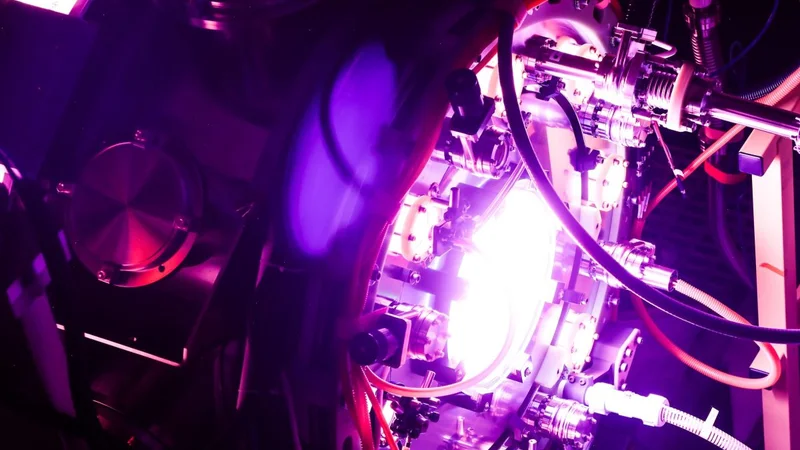
Image: TechCrunch AI
Main Takeaway
OpenAI in talks to secure 50 gigawatts of fusion power from Helion Energy by 2035, as CEO Sam Altman steps down from board to avoid conflict of interest.
Jump to Key PointsSummary
What's the deal between OpenAI and Helion Energy?
OpenAI is negotiating to purchase 12.5% of Helion Energy's future fusion power output, according to multiple reports. The deal would deliver five gigawatts by 2030 and scale to 50 gigawatts by 2035. This represents roughly one-eighth of Helion's total planned production capacity, marking one of the largest power purchase agreements in tech history. The talks are still early-stage, but both parties appear highly motivated given the massive energy demands of AI training and inference.
Why does OpenAI need fusion power?
AI data centers are voracious energy consumers. Training models like GPT-4 required gigawatts of power, and future models will need exponentially more. Traditional grid power can't scale fast enough or clean enough to meet these demands. Fusion offers the holy grail: limitless, carbon-free baseload power that could run AI operations 24/7 without the intermittency issues of solar or wind. For OpenAI, securing dedicated fusion capacity isn't just about sustainability—it's about survival as compute requirements skyrocket.
How does Sam Altman's role complicate this deal?
OpenAI CEO Sam Altman sits in an awkward position here. He's both OpenAI's CEO and Helion's board chair, plus he's personally invested $375 million in the fusion startup. This creates obvious conflict-of-interest concerns. Reports indicate Altman is stepping down as Helion's board chair to facilitate the deal, though he'll retain his investment. The move mirrors how tech leaders often recuse themselves from board positions when their companies become direct customers or suppliers.
What makes Helion's fusion different?
Helion achieved 150 million degree plasma temperatures—ten times hotter than the sun's core—in February 2026. This milestone puts them on track for first grid power by 2028, making them the closest fusion startup to commercial deployment. Their approach uses pulsed magnetic fusion rather than the tokamak designs favored by competitors. The company has already secured a separate deal with Microsoft (OpenAI's primary partner) to deliver power starting 2028, suggesting their technology timeline is more credible than typical fusion promises.
What's the timeline for this power deal?
The proposed schedule is aggressive: five gigawatts by 2030, scaling to 50 gigawatts by 2035. For context, five gigawatts could power roughly 3.8 million homes. The 2035 target of 50 gigawatts would exceed the entire current nuclear capacity of the UK. These timelines assume Helion hits every milestone perfectly—a big assumption given fusion's history of delays. Still, the fact that Microsoft already committed to 2028 delivery suggests Helion has convinced serious players their timeline is achievable.
How does this affect the broader AI industry?
If successful, this deal could spark a fusion arms race among AI companies. Google, Amazon, and Meta all face similar power constraints for their AI ambitions. The precedent of major AI firms securing dedicated clean power sources could reshape energy markets entirely. We might see AI companies becoming power companies, building or buying generation assets to guarantee supply. This could accelerate fusion investment beyond what governments or utilities alone could provide.
What are the risks and challenges?
Fusion remains unproven at commercial scale. Helion hasn't generated electricity yet, and their 2028 grid target could easily slip. The deal structure likely includes penalty clauses if Helion misses milestones, but OpenAI would still be left scrambling for alternative power sources. There's also regulatory risk—fusion licensing frameworks are still being developed. Most challenging: Helion needs to build dozens of reactors simultaneously to hit these capacity targets, requiring billions in capital and manufacturing expertise they don't yet have.
What happens next?
Expect the deal to close within months once Altman formally steps down from Helion's board. Watch for similar announcements from other AI giants racing to secure power. Helion will likely announce additional funding rounds to build the required reactor fleet. The real test comes in 2028 when Helion must deliver their first commercial power to Microsoft—success there validates the entire timeline. Failure could send AI companies back to scrambling for traditional power sources, potentially slowing the entire industry's growth trajectory.
Key Points
OpenAI negotiating to buy 12.5% of Helion's fusion power output (50GW by 2035)
Sam Altman stepping down as Helion board chair due to conflict of interest
Helion achieved 150 million degree plasma milestone, targeting 2028 grid power
Microsoft previously secured similar fusion power deal with Helion starting 2028
Deal addresses massive energy requirements for AI data center expansion
Questions Answered
50 gigawatts could power approximately 38 million homes—more than the entire current nuclear capacity of the United Kingdom.
As OpenAI CEO and major Helion investor, Altman faces conflict of interest concerns when negotiating power purchase agreements between the two companies.
No. Helion achieved 150 million degree plasma temperatures but hasn't generated commercial electricity. Their first grid power is targeted for 2028.
The deal likely includes penalty clauses, but OpenAI would need to secure alternative power sources, potentially slowing AI development and deployment.
Unlike solar or wind, fusion provides constant baseload power without intermittency issues, making it ideal for 24/7 AI data center operations.
Almost certainly. Google, Amazon, and Meta face similar power constraints and may follow OpenAI's lead in securing dedicated clean power sources.
Source Reliability
70% of sources are trusted · Avg reliability: 76
Go deeper with Organic Intel
Simple AI systems for your life, work, and business. Each one includes copyable prompts, guides, and downloadable resources.
Explore Systems