Shadow Fleet Keeps Oil Flowing Through 'Closed' Hormuz Strait
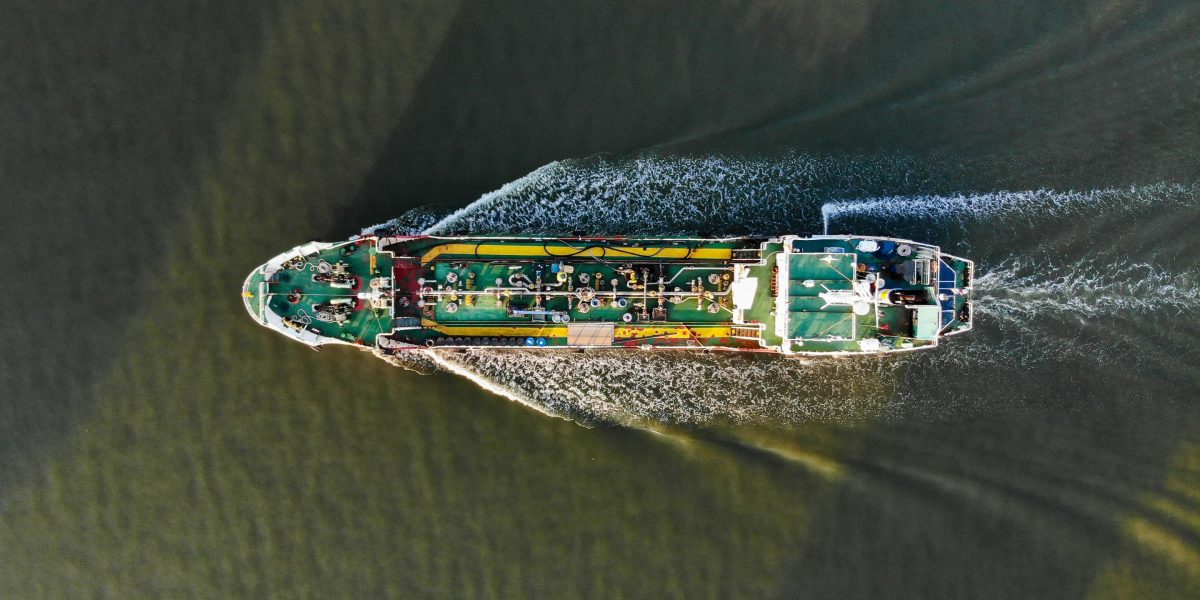
Image: Fortune AI
Main Takeaway
Despite 90% drop in tanker traffic through Hormuz, a dark fleet of uninsured, stateless vessels continues moving sanctioned oil using flags of convenience and GPS spoofing.
Jump to Key PointsSummary
The Strait That Isn't Quite Closed
The Strait of Hormuz is effectively shut. Since February 28, tanker traffic through the world's most critical oil chokepoint has cratered by over 90%. Iran's military has threatened to destroy any vessel attempting passage. Insurance companies have largely stopped writing policies for the route. Mines reportedly litter the waters.
Yet oil still moves.
A shadow fleet of aging tankers continues to slip through, running dark without transponders, flying flags of convenience from countries where they aren't actually registered. These vessels — often stateless in legal terms — are the last lifeline for sanctioned oil exports from Iran and Russia.
Anatomy of the Shadow Fleet
These aren't sophisticated operations. The ships are typically 15-20 years old, purchased at steep discounts from legitimate operators looking to offload aging vessels. Many were originally built for Russian crude runs to Europe before sanctions forced a pivot.
The reflagging process is almost comically brazen. Vessels swap between flags like Panama, Tanzania, and Comoros — countries with virtually no connection to the ship's actual ownership or operation. One tanker seized by the US in December 2025 was flying a Guyanese flag despite never being registered there.
Insurance is either nonexistent or provided through shadowy networks in Dubai and Hong Kong. Some operators simply self-insure, betting that the profits from a single successful run will offset the risk of losing a $20 million vessel.
How They Move Undetected
The techniques are surprisingly low-tech. Ships turn off their AIS transponders — the maritime equivalent of going dark on radar. They spoof GPS coordinates to show positions hundreds of miles from their actual location. Some paint over their names mid-voyage.
The most sophisticated operators use ship-to-ship transfers in international waters, moving oil from sanctioned tankers to "clean" vessels that can then sail through regular channels. These transfers often happen at night, far from shipping lanes, with both vessels running dark.
Economic Logic of the Shadow Trade
With Brent crude hovering near $95/barrel and the risk premium for Hormuz transit adding another $10-15, the math works. A single successful run can net operators $5-8 million in profit. Even losing one in three ships still pencils out.
The buyers are refineries in China, India, and Southeast Asia willing to look the other way on documentation. Payment flows through crypto wallets and shell companies in Singapore and the UAE.
Geopolitical Implications
This shadow trade is reshaping global oil markets. European refineries are scrambling for alternative supplies, pushing Brent prices higher. US shale producers can't fill the gap — their infrastructure is maxed out shipping to Europe via longer Atlantic routes.
China, ironically, is both beneficiary and victim. They're getting discounted oil but at the cost of tacitly supporting a system that undermines the global maritime order they've spent decades building.
The US faces an impossible choice. Interdicting every shadow vessel would require a naval blockade — an act of war. Letting the trade continue keeps global oil prices from spiking but undermines sanctions regimes.
What Happens Next
The shadow fleet is growing. Industry estimates suggest 400-600 vessels are now involved in sanctioned oil trades globally, up from maybe 50 before the Ukraine war. They're getting better at evasion too — new techniques spread through encrypted messaging apps and dark web forums.
Insurance markets are adapting. Lloyd's of London has proposed a war risk pool specifically for Hormuz transit, but premiums would be astronomical — potentially $2-3 million per voyage for a standard tanker. Most operators won't pay it.
The real risk isn't just oil markets. These same techniques could be used to move sanctioned military equipment, drugs, or even weapons of mass destruction. The shadow fleet is essentially stress-testing the global maritime enforcement system — and finding it wanting.
Technical Deep Dive: The Evasion Toolkit
Modern shadow tankers run a sophisticated playbook. They'll register in one country, insure in another, and operate through a shell company in a third. AIS spoofing devices cost maybe $5,000 on the black market. Some operators use Starlink terminals to maintain communication without appearing on standard maritime networks.
The most advanced play involves "flag shopping" in real time. Vessels can reflag mid-voyage if they detect enforcement activity, switching from a Panamanian flag to a Comoros registry through satellite internet connections.
Market Impact Beyond Oil
Shipping rates for legitimate tankers have exploded. Clean vessels willing to transit Hormuz command premiums of 300-400% above standard rates. Insurance costs for regular shipping have doubled since February.
The knock-on effects hit everything from LNG shipments to container routes. Some shipping companies are rerounding the Cape of Good Hope — adding 3,000 miles and 10-12 days to Asia-Europe voyages.
This isn't just about oil anymore. The shadow fleet has exposed fundamental gaps in maritime law enforcement that could take decades to close.
Key Points
Over 90% drop in legitimate tanker traffic through Hormuz since February 28, yet shadow fleet keeps oil flowing
400-600 aging tankers now operate in sanctioned trades, using flags of convenience and AIS spoofing
Single successful voyage nets $5-8 million profit despite 1 in 3 loss rate
China and India are primary buyers of shadow fleet oil through crypto payments and shell companies
Shipping rates for legitimate Hormuz transit up 300-400% as insurance markets pull back
Questions Answered
A shadow fleet consists of aging oil tankers (typically 15-20 years old) purchased cheaply and operated through shell companies. They fly flags of convenience from countries like Panama or Comoros, often aren't properly insured, and use techniques like AIS spoofing and GPS jamming to avoid detection while moving sanctioned oil.
Very. With Brent crude at $95/barrel plus a $10-15 risk premium, a single successful voyage can net $5-8 million in profit. Even losing one in three ships still makes financial sense for operators willing to self-insure.
They can intercept individual vessels, but stopping the entire trade would require a naval blockade — effectively an act of war against multiple countries. The shadow fleet operates in legal gray areas, often stateless or flying flags from nations with no enforcement capability.
Primarily refineries in China, India, and Southeast Asia. These buyers accept discounted oil with questionable documentation, paying through crypto wallets and shell companies based in Singapore and the UAE.
The shadow fleet has grown from maybe 50 vessels before Ukraine war to 400-600 now. These same evasion techniques are being applied to other sanctioned trades, potentially enabling movement of weapons, drugs, or other contraband.
Clean vessels willing to transit Hormuz now command 300-400% premiums above standard rates. Insurance costs have doubled, and some companies are rerouting around Africa — adding 10-12 days to Asia-Europe voyages.
Source Reliability
38% of sources are highly trusted · Avg reliability: 64
Go deeper with Organic Intel
Simple AI systems for your life, work, and business. Each one includes copyable prompts, guides, and downloadable resources.
Explore Systems