Arizona Appeals Court Vacates Road-Rage Sentence After AI Video Spoke for Slain Victim
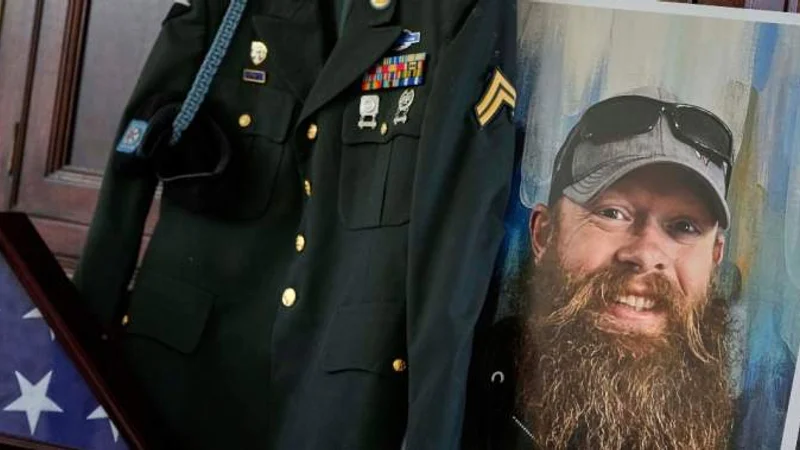
Image: Globalnews
Main Takeaway
Gabriel Horcasitas must be resentenced after an Arizona appeals court ruled that an AI video portraying slain victim Christopher Pelkey improperly influenced his punishment.
Jump to Key PointsSummary
The sentence and the ruling
Gabriel Paul Horcasitas must be resentenced after the Arizona Court of Appeals vacated his sentence in the 2021 road-rage shooting death of Christopher Pelkey. Horcasitas was convicted of manslaughter and received a prison term of about 10 years, with reports placing the sentence at 10 years or 10 1/2 years. A three-judge panel ruled that an AI-generated video shown before sentencing created a fundamental error that made the punishment unfair.
The appeals court found that the video affected the sentencing judge, who referred to the forgiveness expressed in the digital statement. The ruling leaves Horcasitas’ conviction in place while requiring a new sentencing proceeding. The case places a new boundary around how digitally reconstructed people can be used in criminal court.
How the courtroom video was made
Pelkey’s family created the video after his death using a prior recording, a photograph and a script written by his sister, Stacey Wales. The resulting digital depiction showed Pelkey addressing the courtroom and Horcasitas before the sentence was imposed. The video conveyed forgiveness, giving the sentencing judge a message presented through Pelkey’s likeness and simulated voice.
The family’s purpose was to give Pelkey a voice after his November 2021 death during a confrontation at a red light in Chandler, Arizona. The legal dispute centered on how that message was presented, rather than on whether Pelkey’s relatives were entitled to speak about their loss. The appeals panel distinguished a recording of an actual event from an AI depiction built from another person’s interpretation of the victim’s thoughts.
Why the appeals court rejected it
The court said the video did not document an event or capture a statement Pelkey made while alive. Instead, it portrayed the victim and thoughts created from the imaginings of his sister, according to the ruling. That distinction mattered because the video presented words as though they came directly from Pelkey, while the script originated with a surviving family member.
The panel described the AI presentation as unreliable and said it crossed the line into a form of evidence that prejudiced the sentencing decision. The judge’s reference to Pelkey’s forgiveness was central to the finding that the video had a concrete influence. Reports characterize the decision as a ruling about sentencing fairness, not a determination that AI tools are categorically barred from every courtroom use.
What the new hearing changes
The new proceeding will determine Horcasitas’ punishment without the AI victim statement that the appeals court found improper. His manslaughter conviction remains intact, so the ruling does not order a new trial or erase the jury’s finding that he killed Pelkey. The next hearing will instead revisit the sentence under procedures that exclude the disputed digital depiction.
The case also gives judges and lawyers a practical warning: a digitally recreated victim can carry emotional authority that ordinary family testimony does not. A judge may hear a relative describe what the deceased believed, but an animated likeness speaking in the victim’s apparent voice can make an interpretation feel like direct testimony. That difference now has direct consequences in an Arizona sentencing case.
A test for AI evidence in court
The ruling arrives as courts confront synthetic voices, faces and videos that can imitate people who never recorded the words attributed to them. In this case, the technology was used by a victim’s family rather than by a commercial litigant, but the legal issue is broader: whether an AI reconstruction gives a fictionalized statement the persuasive force of firsthand evidence.
The decision also separates emotional expression from evidentiary reliability. Family members can present grief, forgiveness and views about punishment, yet the court found that those views cannot be made to appear as an authentic posthumous statement from the victim. Lawyers handling future sentencing hearings will have to identify who wrote the words, what source material supports them and whether a digital presentation changes how the judge receives the message.
What happens next
Horcasitas will return for resentencing, while the Arizona appellate decision remains a notable precedent on AI-generated victim-impact material. The immediate legal question is the length and terms of a new sentence, not Horcasitas’ guilt. The case also leaves prosecutors, defense lawyers and judges with a clear procedural concern: emotionally powerful synthetic media can affect punishment even when it contains no recording of an actual statement.
For families, the ruling does not eliminate the ability to speak about a victim or seek accountability. It draws a line between family testimony and a generated likeness that appears to speak for the dead. As courts encounter more AI-created evidence, authentication, authorship and the risk of emotional distortion will become central parts of sentencing disputes.
Key Points
Gabriel Horcasitas must be resentenced after an Arizona appeals court rejected an AI victim-impact video.
Christopher Pelkey’s family created a digital likeness using a photograph, recording and sister-written script.
The court found the AI depiction unreliable because Pelkey never actually spoke the video’s words.
The sentencing judge’s reference to Pelkey’s forgiveness showed the video influenced the punishment.
Horcasitas’ manslaughter conviction remains intact despite the sentence being vacated.
Questions Answered
Gabriel Horcasitas’ sentence was vacated because an AI-generated video portraying Christopher Pelkey influenced the sentencing judge. The Arizona appeals court found the video unreliable and ruled that the punishment was fundamentally unfair.
The AI video showed a digital version of Christopher Pelkey addressing the court and expressing forgiveness toward Gabriel Horcasitas. Pelkey’s family created it from a prior recording, a photograph and a script written by his sister.
Gabriel Horcasitas’ manslaughter conviction was not overturned. The Arizona appeals court ordered only a new sentencing hearing without the disputed AI victim statement.
The court said the video presented thoughts written by Pelkey’s sister as though they came directly from Pelkey. It did not record an actual statement or document an event that occurred while Pelkey was alive.
Gabriel Horcasitas will be resentenced in Arizona. The court will reconsider his punishment while excluding the AI-generated depiction that the appeals panel found prejudicial.
Source Reliability
100% of sources are trusted · Avg reliability: 75
Go deeper with Organic Intel
Simple AI systems for your life, work, and business. Each one includes copyable prompts, guides, and downloadable resources.
Explore Systems