Apple Unveils Siri AI Upgrade to Stem User Flight to ChatGPT and Rivals
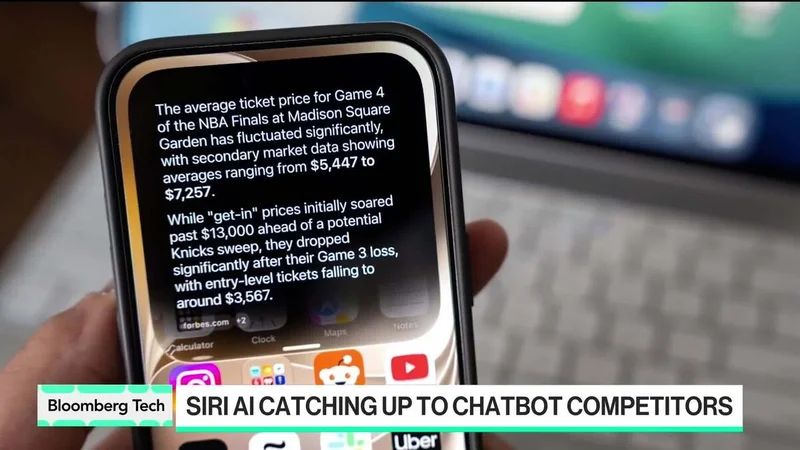
Image: Bloomberg AI
Main Takeaway
Apple launched a major Siri AI overhaul at WWDC 2026 to stop users from switching to ChatGPT and rival chatbots.
Jump to Key PointsSummary
What Apple finally delivered
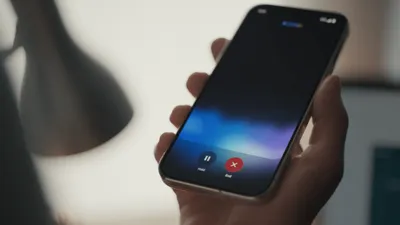
Apple unveiled its next-generation Siri AI at WWDC 2026, introducing what it calls a "profoundly more capable and personal" voice assistant built on Apple Intelligence. The announcement, made on June 16, 2026, marks the company's most significant attempt to close the gap with OpenAI's ChatGPT, Google's Gemini, and other conversational AI rivals that have lured users away from Siri in recent years.
The upgrade arrives two years after Apple first teased major AI improvements for Siri, a delay that allowed competitors to cement their leads in the consumer AI market. According to Bloomberg's Mark Gurman, the new Siri is "just good enough" to ease Apple's ongoing AI crisis, even if it mainly delivers on promises the company made back in 2024. The bar for success, in other words, is catching up rather than surpassing.
Why the timing matters now
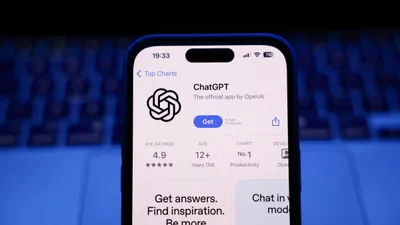
Consumer behavior has shifted dramatically since ChatGPT's 2022 launch. Millions of iPhone users began treating standalone chatbot apps as their default AI assistants, bypassing Siri entirely for complex queries, creative tasks, and research. This migration threatened Apple's control of the on-device experience and its services ecosystem.
Bloomberg reported that Apple needs Siri to keep users from switching to rival AI chatbots, framing the update as defensive rather than innovative. The company risks losing not just search queries but the data and engagement that feed its broader services strategy. With iOS 27 and macOS 27 on the horizon, Siri's performance will determine whether Apple Intelligence becomes a platform differentiator or another underdelivered promise.
How Siri AI compares to ChatGPT today
Early hands-on impressions suggest Apple has narrowed the gap without eliminating it. Gurman's review characterized the new Siri as competitive for everyday tasks, calendar management, messaging, and device control, areas where Apple's deep OS integration still provides advantages. However, for open-ended reasoning, coding help, and creative writing, ChatGPT and Google's Gemini maintain clear leads.
Softorino's analysis of iOS 26's AI capabilities noted that Apple's approach prioritizes on-device processing and privacy over raw conversational breadth. This trade-off appeals to privacy-conscious users but may frustrate those seeking the most capable AI available. The question for consumers is whether a "good enough" assistant that respects boundaries beats a more powerful one that sends data to the cloud.
What comes next for Apple hardware
The Siri AI overhaul arrives alongside other major product shifts. Bloomberg reported that Apple is preparing for a foldable iPhone and a touch-screen MacBook, both of which would benefit from a more capable voice interface. Siri's evolution is inseparable from Apple's hardware roadmap, as new form factors demand new interaction paradigms.
The WWDC 2026 showcase also previewed deeper Apple Intelligence integration across the ecosystem, from Photos to Messages to Safari. If Siri can serve as the unified interface for these services, Apple may yet reclaim users who have fragmented their digital lives across multiple AI apps. The risk is that competitors aren't standing still, OpenAI, Google, and xAI continue to push capabilities forward at a pace that may outstrip Apple's more cautious, privacy-first approach.
Whether "good enough" will be enough
The central tension in Apple's strategy is whether matching yesterday's bar will secure tomorrow's loyalty. NPR's coverage framed the update as "long-awaited," implying user patience has been tested. KCRA's headline, "Siri is finally getting a big AI upgrade," carried a note of relief mixed with the implicit criticism that this took too long.
Forum discussions on MacRumors and MacPowerUsers reflected skepticism among Apple's most engaged users, many of whom have already adopted ChatGPT or Grok as primary assistants. Winning them back requires more than parity, it requires a compelling reason to change habits. Apple's bet appears to be that privacy, on-device processing, and seamless iOS integration will provide that reason, even if the underlying AI isn't the most powerful on the market. Whether that calculation holds will become clear when iOS 27 ships to hundreds of millions of devices later this year.
Key Points
Apple unveiled a major Siri AI upgrade at WWDC 2026 to compete with ChatGPT and rival chatbots.
Early reviews describe the new Siri as "just good enough" rather than superior to competitors.
The update mainly delivers on promises Apple first made two years ago in 2024.
Apple prioritizes on-device processing and privacy over matching ChatGPT's conversational breadth.
The overhaul coincides with preparations for a foldable iPhone and touch-screen MacBook.
Questions Answered
Apple announced a next-generation Siri AI built on Apple Intelligence, which the company described as profoundly more capable and personal. The upgrade includes improved conversational abilities, deeper integration with iOS and macOS, and enhanced on-device processing for privacy.
The new Siri is not clearly better than ChatGPT overall, according to early reviews. Bloomberg's Mark Gurman described it as competitive for everyday tasks and device control but still behind for open-ended reasoning, creative writing, and coding help.
Apple's two-year delay reflects the company's prioritization of on-device processing and privacy protections, which constrain how quickly it can deploy large language models. The company also faced technical challenges integrating generative AI with its existing Siri infrastructure.
If users continue preferring ChatGPT and other rivals, Apple risks losing control of the on-device AI experience and the engagement data that feeds its services ecosystem. This could weaken Apple's competitive position in AI and related services over time.
The new Siri AI will ship with iOS 27 later this year, with beta versions expected in the coming months. The full Apple Intelligence suite will also extend to macOS 27 and other Apple platforms.
Source Reliability
38% of sources are highly trusted · Avg reliability: 69
Go deeper with Organic Intel
Simple AI systems for your life, work, and business. Each one includes copyable prompts, guides, and downloadable resources.
Explore Systems