Apple Plans Camera AirPods and Foldable iPhone for 2027 in Major Hardware Push

Image: Bloomberg AI
Main Takeaway
Apple targets 2027 for camera-equipped AirPods and second-gen foldable iPhone, Bloomberg reports, as the company pushes deeper into AI hardware.
Jump to Key PointsSummary
What Apple is building for 2027
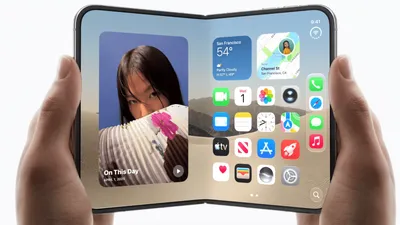
Apple is preparing its most ambitious hardware lineup in years for late 2027, anchored by camera-equipped AirPods and a second-generation foldable iPhone. According to Bloomberg reporter Mark Gurman, the camera AirPods are designed to vault Apple into the AI device market by adding visual sensing to its most popular wearable. The company is also planning a 20th anniversary iPhone that year, marking two decades since the original device's launch. These products represent Apple's attempt to create new hardware categories that can host its growing suite of AI features beyond the iPhone. The timeline suggests Apple is playing a longer game than competitors already shipping AI gadgets.
The 2027 window also accommodates a second-generation foldable iPhone, implying Apple expects its first foldable to launch earlier with rapid iteration to follow. This pace would be unusually aggressive for Apple's typically conservative hardware cycle.
Why camera AirPods signal a bigger strategy
Camera-equipped AirPods are not primarily about photography. The Verge notes they are "all leading up to the eventual smart glasses," positioning the earbuds as a stepping stone toward Apple's ultimate augmented reality ambitions. The cameras would enable visual AI features, object recognition, and environmental awareness without requiring users to wear glasses. This mirrors how the Apple Watch gradually added sensors before becoming a health platform.
The audio wearable form factor also sidesteps the social friction that sank Google Glass. People already wear AirPods in public; adding cameras feels incremental rather than invasive. If Apple can make the technology invisible enough, it creates a beachhead for always-on AI assistance that does not require looking at a screen. The company has reportedly been working on this concept for years, with Gurman first reporting on camera AirPods in earlier coverage.
The foldable iPhone's engineering challenges
Multiple sources indicate Apple's first foldable iPhone has encountered significant engineering hurdles. 9to5Mac reports the launch could be delayed into 2027 because of these problems, while CNET suggests the iPhone 18 may not arrive until 2027 specifically because of foldable-related resource constraints. This implies Apple is prioritizing foldable development over its traditional numbered iPhone cycle, a notable strategic shift.
The foldable market has matured without Apple, with Samsung now on its sixth generation of Galaxy Z Fold devices. Apple's late entry means it must solve problems rivals have already encountered: display creasing, hinge durability, and the software challenge of making apps work across folding screens. A 2027 second-generation foldable suggests Apple expects to need at least one revision to get the product right, rather than nailing it on the first attempt.
How this reshapes Apple's product calendar
The 2027 lineup would concentrate multiple major releases into a single year, straining Apple's engineering and marketing resources. MacRumors and PCMag both note that camera-equipped AirPods have moved closer to production, with some reports indicating advanced or late-stage testing. AppleInsider adds that production testing for 2027 iPhone models is already underway, an unusually early start that suggests complex manufacturing requirements.
This clustering also raises questions about how Apple positions each product. A 20th anniversary iPhone, foldable sequel, and camera AirPods launching in proximity would compete for attention and consumer dollars. Apple's typical approach spreads flagship releases across the calendar. The compression hints at either external competitive pressure or internal confidence that these products serve sufficiently different use cases.
What happens next for competitors
Apple's moves will force responses across the consumer electronics industry. Samsung and other Android manufacturers already offer foldables but have struggled to make them mainstream; a credible Apple entry could validate or marginalize the entire category. The camera AirPods concept directly challenges Meta's Ray-Ban smart glasses and whatever Amazon, Google, and OpenAI are building in ambient AI hardware.
The 2027 timeline gives competitors two to three years to establish market position before Apple arrives. History suggests this is rarely enough. Apple's pattern is to enter established categories late, then redefine them through integration and user experience. The question is whether AI hardware will follow that pattern, or whether being first matters more when the technology itself is still being invented.
The risk of waiting until 2027
By 2027, the AI device landscape may already have winners. Companies like Rabbit, Humane, and Meta are shipping now, even if early reviews have been mixed. Apple's bet is that its ecosystem lock-in and manufacturing scale will overcome its late start, as happened with AirPods and Apple Watch. Both were not first to market but became dominant through execution.
Yet the AI hardware transition may differ from audio and wearables. It requires new interaction paradigms, cloud infrastructure, and developer support that Apple is still building. The 2027 date also means these products will miss at least two more iPhone cycles, a significant opportunity cost. Whether that patience pays off depends on whether consumers actually want AI-first devices, or simply AI features in the ones they already own.
Key Points
Apple targets late 2027 for camera-equipped AirPods and foldable iPhone launch
Camera AirPods serve as stepping stone to smart glasses and ambient AI
Foldable iPhone development has caused engineering delays and calendar shifts
2027 marks iPhone's 20th anniversary with special edition planned
Products currently in advanced testing with production preparation underway
Questions Answered
Apple's camera-equipped AirPods are scheduled for launch in late 2027, according to Bloomberg. The product has moved into advanced testing phases, with production testing already underway for 2027 hardware.
Apple is adding cameras to AirPods to create an AI device platform that enables visual sensing and environmental awareness. According to The Verge, this strategy leads toward eventual smart glasses, using the familiar earbud form factor as a less socially awkward entry point than face-worn cameras.
Yes, multiple sources report the first foldable iPhone has faced engineering problems that may push its launch to 2027. CNET reports this delay is affecting the broader iPhone release calendar, with the iPhone 18 also potentially delayed until 2027.
Beyond camera AirPods and the foldable iPhone, Apple is reportedly preparing a 20th anniversary iPhone for 2027. Bloomberg indicates this would create a concentrated release year with multiple flagship products launching in close proximity.
Camera AirPods have reportedly entered late-stage or advanced testing, according to ExtremeTech and MacDailyNews. PCMag notes the product has moved closer to production, while AppleInsider reports production testing for 2027 iPhone models is already underway.
Meta's Ray-Ban smart glasses, Samsung's foldable phones, and AI devices from Rabbit and Humane represent current competition. By 2027, Google, Amazon, and OpenAI may also have ambient AI hardware, giving Apple multiple established competitors despite its typical late-entry strategy.
Source Reliability
64% of sources are trusted · Avg reliability: 73
Go deeper with Organic Intel
Simple AI systems for your life, work, and business. Each one includes copyable prompts, guides, and downloadable resources.
Explore Systems