Warsh Uses Jackson Hole to Put Inflation First and Prepare Markets for Higher Rates
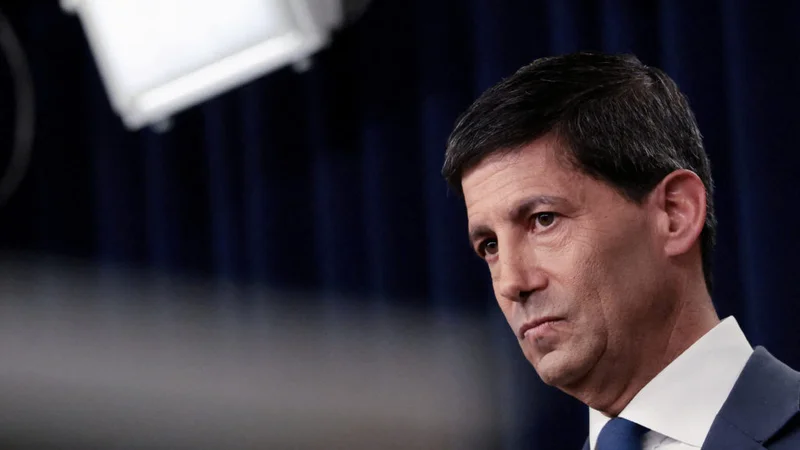
Image: Pbs
Main Takeaway
Federal Reserve Chair Kevin Warsh warned that inflation remains too high, raising the prospect of higher interest rates while urging markets to rely less on Fed guidance.
Jump to Key PointsSummary
Warsh resets the policy message
Federal Reserve Chair Kevin Warsh used his first keynote address at the Jackson Hole Economic Policy Symposium to make inflation control the central bank’s overriding priority. He said price pressures remain too high and indicated that interest rates could rise in coming months if inflation fails to make sufficient progress toward the Fed’s 2% target.
The remarks gave investors a clearer view of Warsh’s policy philosophy than his earlier public statements. Recent inflation readings have eased in some measures, but Warsh said those figures don’t show that underlying trends have meaningfully improved. His emphasis on persistence, rather than a single monthly report, placed renewed pressure on policymakers to keep monetary policy restrictive.
Higher rates return to focus
A rate increase is now part of the policy discussion if inflation remains elevated. Warsh’s message signals that the Fed is prepared to accept tighter financial conditions rather than allow above-target inflation to become entrenched.
Markets had entered the conference looking for clues about the timing and direction of the next policy move. Former Philadelphia Fed President Patrick Harker said a hike would send an important signal, while market strategists described bond and currency investors as being on edge before the speech. The debate centers on whether inflation’s recent improvement reflects durable progress or a temporary pause.
A quieter Federal Reserve
Warsh also argued for a narrower role for forward guidance, saying the Fed should communicate carefully instead of encouraging markets to treat every official comment as a trading signal. He warned that excessive disclosure and promises about future decisions can create ambiguity while steering businesses, households, and investors toward the wrong expectations.
That approach would mark a change in the Fed’s communication style. Forward guidance became more prominent during crisis-era policymaking, when officials sought to anchor borrowing costs and reassure markets. Warsh’s Jackson Hole remarks framed that practice as something that should be limited in normal conditions, with decisions driven by incoming economic data rather than a standing commitment.
Inflation data remains contested
The conference exposed a wider disagreement over how the Fed should read inflation. Warsh focused on the long persistence of elevated prices, citing 65 months of inflation above the central bank’s comfort level as a signal that the problem has endured across multiple policy phases.
A separate analysis argued that backward-looking annual measures can obscure a change in the current inflation run rate. Shorter-term data might show a new inflation regime before 12-month figures capture it, creating a risk that policymakers react too late. The tension leaves the Fed weighing persistent historical pressure against more recent momentum, while keeping the 2% goal as its anchor.
Global officials share the warning
Inflation concerns extended beyond the United States at Jackson Hole. Policymakers from the euro area who spoke around the conference also warned that price stability remains unfinished work, reinforcing the broader message that central banks continue to face inflation risks even as growth and labor-market conditions compete for attention.
The international backdrop matters for US policy because global bond yields, exchange rates, energy costs, and imported goods prices feed into financial conditions at home. A Fed stance that keeps rates higher can support the dollar and tighten markets worldwide. Investors therefore treated Warsh’s remarks as part of a wider central-bank debate over how firmly to hold policy when inflation has fallen from its peak but remains above target.
What markets and borrowers face
Warsh’s speech increases the importance of upcoming inflation and employment data. Investors must now assess whether the next readings justify holding rates steady or support the higher-rate path he placed on the table. Borrowers face continued pressure from elevated financing costs, while businesses and households receive less certainty about the timing of policy relief.
The shift also asks markets to price decisions rather than verbal promises. If the Fed follows Warsh’s preference for quieter guidance, officials will provide fewer commitments about future moves and place greater weight on the data released between meetings. The immediate test is whether inflation shows convincing progress toward 2% before policymakers decide that additional restraint is unnecessary.
Key Points
Kevin Warsh signaled the Federal Reserve may raise interest rates if inflation remains above its 2% target.
Warsh urged investors to rely less on forward guidance and more on incoming economic data.
Jackson Hole discussions showed global central bankers remain concerned about persistent inflation pressures.
Markets entered the conference tense over Treasury yields, dollar moves, and the prospect of tighter policy.
Short-term inflation trends may offer a faster policy signal than annual measures dominated by past data.
Questions Answered
Kevin Warsh said the Federal Reserve may raise interest rates in coming months if inflation remains too high. He tied that possibility to insufficient progress toward the Fed’s 2% target.
Kevin Warsh is concerned that recent declines in inflation don’t prove underlying price pressures have meaningfully improved. He emphasized the persistence of elevated inflation over many months.
Kevin Warsh wants the Federal Reserve to limit forward guidance during normal periods. He said excessive communication and promises about future decisions can mislead markets, businesses, and households.
Markets treated Kevin Warsh’s remarks as a warning that tighter policy remains possible. Investors focused on the effects on Treasury yields, the dollar, borrowing costs, and expectations for future rate moves.
The Federal Reserve will weigh upcoming inflation and employment data before deciding whether further rate restraint is needed. The next readings will help determine whether recent inflation progress is durable.
Source Reliability
63% of sources are highly trusted · Avg reliability: 82
Go deeper with Organic Intel
Simple AI systems for your life, work, and business. Each one includes copyable prompts, guides, and downloadable resources.
Explore Systems