USA Rare Earth's $2.8B Brazil Deal Signals Start of US Rare Earth Independence
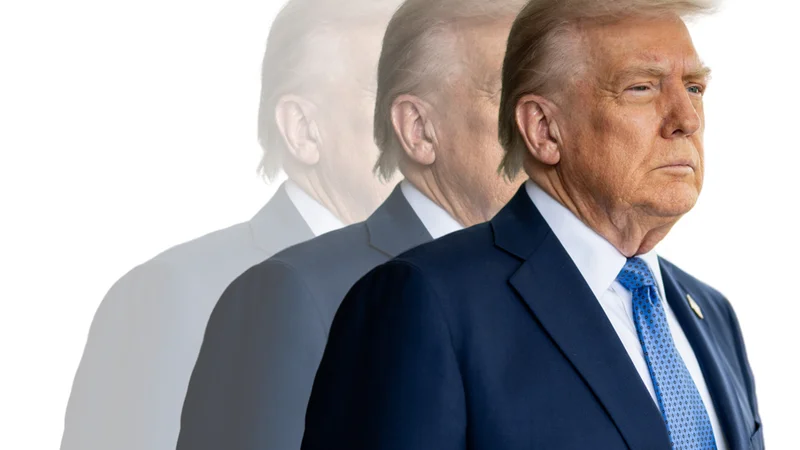
Image: Whitehouse
Main Takeaway
USA Rare Earth acquires Brazil's Serra Verde mine for $2.8B in Trump-backed push to break Chinese rare earth monopoly.
Jump to Key PointsSummary
The deal that shifts global supply chains
USA Rare Earth just bought Brazil's Serra Verde Group for $2.8 billion, creating the first Western alternative to Chinese rare earth dominance. The deal, announced April 20, gives USA Rare Earth control of Brazil's Pela Ema mine and processing plant - one of the few operations outside China that produces all four magnetic rare earth elements. According to Bloomberg, CEO Barbara Humpton called this "early innings" of US independence from Chinese supply chains.
The acquisition transforms USA Rare Earth from a startup with minimal revenue into a serious global player. Fortune reports the deal includes $2.5 billion in stock plus $300 million cash, backed by Trump administration investments aimed at breaking China's 80% control of global rare earth production.
What happens to Chinese market dominance
China currently controls 87% of global rare earth refining capacity and 60% of mining output. This deal chips away at that monopoly by adding 3,000 tons of annual rare earth oxide capacity to Western supply chains. CNBC notes Serra Verde's mine produces neodymium, praseodymium, dysprosium and terbium - the exact elements needed for EV motors, wind turbines and defense systems.
The timing matters. Recent Chinese export restrictions on rare earths to the US made this acquisition strategically urgent. Reuters reports congressional questions swirl around the Trump administration's backing, but Humpton defends the investment as critical national security infrastructure.
How this affects tech and defense manufacturing
Every iPhone, Tesla, and F-35 fighter jet needs rare earth magnets. Without this Brazilian supply, US manufacturers face potential Chinese chokeholds. The Pentagon has already designated rare earths as critical to national defense - meaning this acquisition directly supports US military readiness.
Fox Business highlights that rare earth independence has become "the most bipartisan issue in our government right now," with both parties supporting domestic supply chain development. The deal creates a Western alternative spanning US mining, Brazilian processing, and European manufacturing - a deliberate counterweight to China's vertical integration.
The money trail and political backing
This isn't just private capital. Fortune confirms the White House has "repeatedly invested in critical minerals companies" through various federal programs. While exact government funding amounts aren't disclosed, the Trump administration's backing is explicit - making this a rare example of direct federal support for supply chain decoupling.
The $2.8 billion valuation reflects both the strategic value and scarcity premium. With only a handful of viable rare earth projects globally, Serra Verde's established operations command premium pricing. Yahoo Finance notes this creates a template for future acquisitions as the US builds alternative supply networks.
What comes next for US rare earth strategy
Humpton's "early innings" comment suggests more acquisitions ahead. Industry analysts expect USA Rare Earth to target European processing facilities next, creating a complete Western supply chain from mine to magnet. American Rare Earths' Wyoming project (a separate company) shows domestic alternatives are still 5-7 years from production.
The Brazilian deal provides immediate supply while US projects develop. But success requires sustained political support across administrations and massive capital investment. As InvestorNews noted in March, Wyoming's Halleck Creek represents a "generational opportunity" - but Brazil's ready-to-produce assets offer immediate geopolitical leverage.
The broader rare earth chess game
This acquisition signals a new phase in US-China resource competition. Rather than just domestic mining, the US strategy now includes friendly-nation partnerships across the Americas and Europe. The Brazilian connection gives the US access to established operations without the 10-year development timeline typical for new rare earth projects.
The deal's structure - stock-heavy with cash components - suggests confidence in long-term value creation. As electric vehicle adoption accelerates and defense applications expand, whoever controls rare earth supply chains controls the next decade of high-tech manufacturing. This $2.8 billion bet positions USA Rare Earth at the center of that transformation.
Key Points
USA Rare Earth acquired Brazil's Serra Verde Group for $2.8B, gaining control of rare earth mine producing all four magnetic elements
Deal backed by Trump administration creates first Western alternative to China's 87% control of rare earth refining
Acquisition provides immediate 3,000 tons annual capacity while US domestic projects remain 5-7 years from production
Strategic timing follows Chinese rare earth export restrictions to US, making supply chain independence urgent
Transaction structure: $2.5B stock plus $300M cash, transforming startup into major global supply chain player
Questions Answered
Serra Verde is one of the few operations outside China that produces all four magnetic rare earth elements needed for EVs, wind turbines, and defense systems. The deal immediately adds 3,000 tons of annual capacity to Western supply chains, providing a critical alternative to Chinese sources.
While exact federal funding isn't disclosed, Fortune and Reuters confirm the Trump administration has "repeatedly invested in critical minerals companies" and explicitly backs this acquisition as national security infrastructure, making it a rare example of direct government support for supply chain decoupling.
According to CNBC, Serra Verde's mine produces neodymium, praseodymium, dysprosium, and terbium - the exact four magnetic rare earth elements required for electric vehicle motors, wind turbine generators, and military defense systems.
American Rare Earths' Wyoming Halleck Creek project, the largest US deposit, remains 5-7 years from production. The Brazilian acquisition provides immediate supply while domestic alternatives develop, making it a bridge strategy for US rare earth independence.
Rare earth magnets are essential components in every iPhone, Tesla, wind turbine, and F-35 fighter jet. The Pentagon has designated them critical to national defense, and Chinese export restrictions could cripple US high-tech manufacturing and military readiness without alternative suppliers.
Source Reliability
50% of sources are highly trusted · Avg reliability: 77
Go deeper with Organic Intel
Simple AI systems for your life, work, and business. Each one includes copyable prompts, guides, and downloadable resources.
Explore Systems