Trump flips, extends Iran ceasefire then green-lights 'shoot and kill' as Hormuz firefight spreads
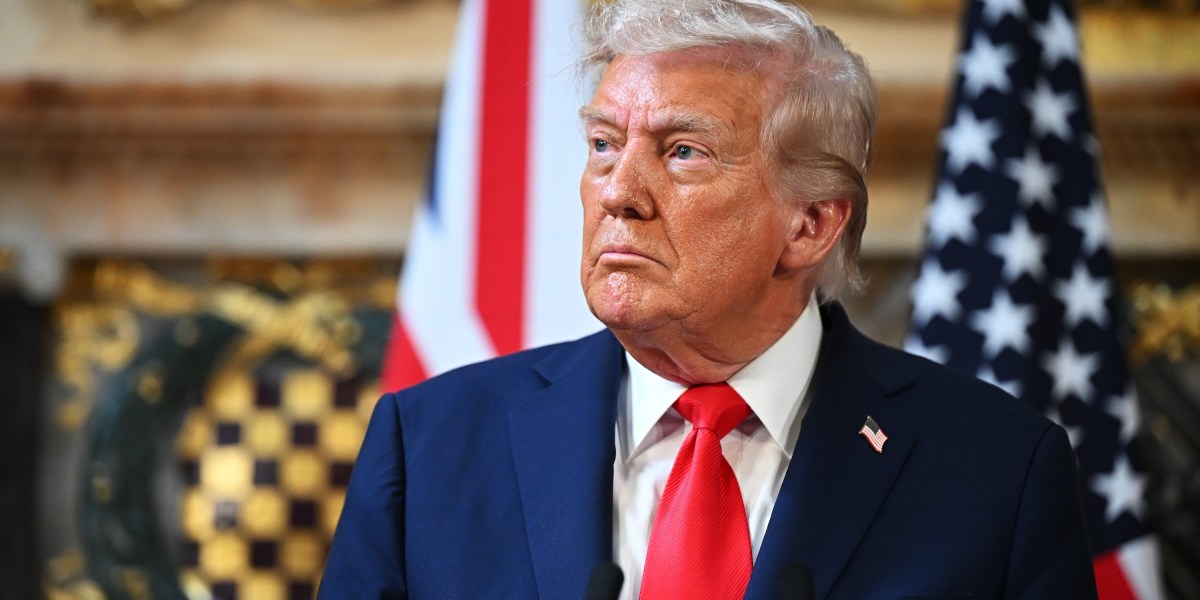
Image: Fortune AI
Main Takeaway
Cease-fire or not, Trump now authorizes lethal force on small boats while Iranian gunners seize three ships. Oil spikes again.
Jump to Key PointsSummary
Hormuz slams shut, again
Friday turned into a head-spinning loop. At 9:12 a.m. Tehran time, state radio trumpeted the strait "completely open" and cameras caught a supertanker gliding past Kish Island. Brent cratered 10% in 22 minutes. Then, just after lunch, the same announcer grimly declared the waterway "closed until the United States ends its illegal blockade." Oil instantly clawed back half its losses and traders started calling the session "the world’s shortest bear market." The reversal now looks less like choreography and more like knife-fighting inside the regime. The Institute for the Study of War says IRGC commanders have spent the afternoon openly scorning Foreign Minister Abbas Araghchi, accusing him of caving to U.S. pressure by ordering the brief reopening. One IRGC-linked Telegram channel called the morning move "naïve" and warned that "appeasers will answer to the nation."
Sunday’s first shots
The Strait began to look like a shooting gallery on Sunday. A U.S. Navy destroyer, the USS Dewey, intercepted a 300-meter crude carrier flying the flag of the Marshall Islands after it tried to bolt west through the blockade net. Navy lawyers had quietly re-flagged the ship as a sanctions violator on Friday night, giving the Dewey legal cover to board. When the tanker refused repeated radio calls and turned hard to port, the destroyer fired three bursts from its 5-inch deck gun across the bow, then disabled the rudder with a well-placed shot to the stern. No casualties were reported, but the vessel is now anchored under American guard off Fujairah. Pentagon officials call it the first kinetic seizure since the blockade began; Tehran calls it "piracy" and has vowed "a crushing response." Oil traders reopened Sunday evening with Brent up another 6%, shrugging off earlier rumors of a brief reopening.
Trump flips, extends ceasefire
Monday delivered its own loop-de-loop. At 10:02 a.m. Washington time, President Trump told reporters he was extending the cease-fire "until we see real movement from Tehran." Just 18 hours earlier he’d barked on Truth Social that "there will be NO extension." West Wing aides insist the reversal came after a 3 a.m. call from Riyadh in which the Saudi energy minister warned of $200 crude if the shooting resumed. The extension whipsawed oil again; Brent slid 8% in 14 minutes.
Cease-fire day one: small boats in the crosshairs
The ink on the extension wasn’t dry before new orders flew across the fleet. At 11:45 a.m. Washington time, Trump signed a classified directive authorizing U.S. warships to "shoot and kill" any small boat within 500 yards that refuses to heave to. Pentagon briefer Major Kelly Frushour confirmed the ROE change, telling reporters the threshold for lethal force had been "lowered from warning shots to engagement." The order covers Iranian speedboats, smugglers, and even civilian dhows if they ignore hails. By dusk, the USS Laboon had already chased off a swarm of six fast attack craft that closed to 300 yards off Bandar Abbas. No rounds were fired, but the message was clear: the cease-fire applies to missiles, not skiffs.
Wednesday’s firefight
Cease-fire or not, Iran opened fire. At dawn on Wednesday, IRGC gunboats surrounded two tankers and a bulk carrier in the narrowest choke point near Qeshm Island. Iranian state media says Revolutionary Guard marines boarded all three ships after firing warning shots; Western satellite imagery shows at least one vessel listing with what looks like 20-mm cannon hits to the superstructure. The ships—Liberian-flagged crude carrier Aris, Panamanian LPG tanker Ocean Pride, and Bahamian bulk freighter Atlantic Voyager—were herded toward Bandar Abbas under escort. Tehran claims they were "violating maritime law"; Lloyd’s List shows all three filed standard transit plans. Brent popped 7% on the news, erasing the Monday drop.
Berlin’s red splash
While Hormuz burned, the Iranian diaspora drama spilled into Europe. Iran’s exiled Crown Prince Reza Pahlavi left a Berlin hotel after briefing German lawmakers on sanctions loopholes when a protester hurled a cup of red liquid, splattering his suit and security detail. Berlin police arrested a 32-year-old Iranian-German man who shouted "no monarchy, no mullahs." Pahlavi wiped off the dye and quipped to reporters, "I’ve seen worse in Washington." The incident lasted 12 seconds but lit up Persian-language social media, with monarchists calling it an assassination rehearsal and regime supporters crowing that "the Shah’s son can’t walk safely in Europe." German intelligence has opened a threat assessment.
Key Points
Trump extended the cease-fire hours after vowing he wouldn’t, then quietly issued a 'shoot and kill' order against small boats.
Iran’s Revolutionary Guard seized three commercial ships in the strait, firing live rounds in the first major breach of the new truce.
Oil markets yo-yoed: Brent spiked 7% after the Iranian gunfire, erasing Monday’s cease-fire dip.
U.S. warships now have looser rules of engagement, with lethal force pre-authorized within 500 yards.
Exiled Crown Prince Reza Pahlavi was doused in red liquid by a protester in Berlin, highlighting diaspora tensions.
Questions Answered
No. While missile and drone attacks are paused, Trump’s new rules let U.S. ships fire on any small craft that ignores warnings within 500 yards.
Three: the crude carrier Aris, LPG tanker Ocean Pride, and bulk freighter Atlantic Voyager.
Saudi Arabia warned of $200 oil if fighting resumed, prompting a 3 a.m. call that flipped the White House position.
Source Reliability
64% of sources are highly trusted · Avg reliability: 79
Go deeper with Organic Intel
Simple AI systems for your life, work, and business. Each one includes copyable prompts, guides, and downloadable resources.
Explore Systems