Tech Earnings Signal AI Boom Still Running Despite Chip Stock Slumps
Main Takeaway
Strong earnings from TSMC and ASML failed to lift chip stocks, while Nvidia faces investor scrutiny over AI spending sustainability and Apple prepares.
Jump to Key PointsSummary
Why chip earnings aren't moving stocks
TSMC posted 58% profit growth and ASML beat estimates, yet both stocks dropped post-earnings. This disconnect reveals investor fatigue after two years of AI-driven gains. According to CNBC, TSMC's AI revenue hit 61% of total sales, but shares fell 3% anyway. The market's message: good results are no longer enough.
Wall Street now wants proof that AI spending will accelerate, not just maintain current levels. When TSMC's CEO called AI demand "extremely robust," investors heard "priced in." The same pattern hit ASML, whose lithography machines enable advanced chip production. Strong fundamentals met weak stock reactions across the board.
This earnings season marks a turning point where execution alone won't sustain valuations. Companies must show accelerating growth trajectories to justify premium multiples built on AI optimism.
What this means for Nvidia's dominance
Nvidia reports after market close today carrying the weight of investor expectations that have made it the world's most valuable company. Fortune notes that since ChatGPT launched in 2023, Nvidia's earnings have become "must-watch events" for gauging AI momentum.
The Motley Fool argues Nvidia is evolving beyond hardware sales into an Apple-like ecosystem play. Instead of selling GPUs once, Nvidia wants recurring revenue from software, cloud services, and AI infrastructure. This shift from one-time sales to subscription models could provide the growth sustainability investors now demand.
But today's results face immediate pressure. Recent tech selloffs have sanded down valuations across the sector. Nvidia must prove that data center revenue, margins, and earnings per share continue climbing at rates that justify its market cap leadership.
Apple's quiet earnings catalyst
While Nvidia grabs headlines, Apple's earnings date approaches with less fanfare but potentially significant implications. According to Zacks, Apple reports soon, and investors want clarity on how AI features will drive iPhone upgrade cycles.
Apple's challenge differs from pure-play chip companies. Instead of selling AI infrastructure, Apple must prove AI makes consumers buy new devices. The company's services revenue, which includes AI-enhanced features, becomes the key metric to watch alongside traditional iPhone sales.
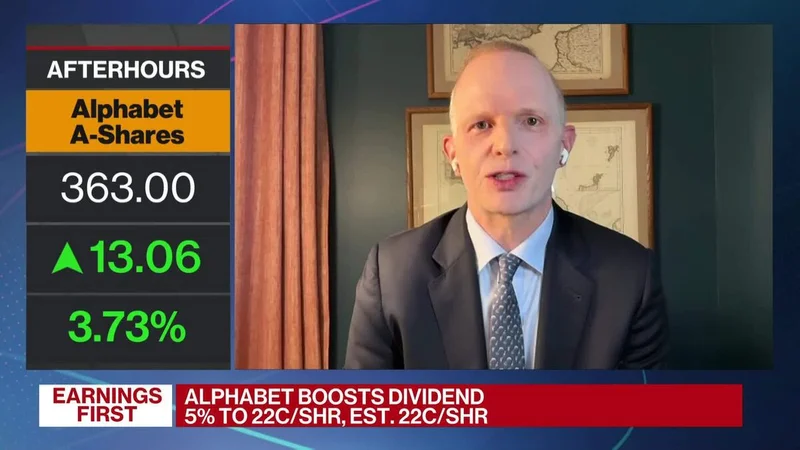
Bloomberg's Daniel Flax suggests Apple's earnings could signal whether consumer AI adoption is translating into hardware refresh cycles. Success here would validate the consumer-facing side of the AI boom, complementing enterprise infrastructure spending that benefits Nvidia and chipmakers.
The impact on enterprise adoption
Enterprise spending patterns emerge as the critical variable determining whether AI growth sustains current valuations. Bloomberg reports that Big Tech's "unprecedented spending on artificial intelligence" has driven chip company gains, but questions arise about spending durability.
Companies now face pressure to show AI investments generate measurable returns. The shift from experimental to production AI deployments determines whether 2026 becomes a year of reckoning or continued expansion. Early enterprise adopters report mixed results, with some achieving productivity gains while others struggle with implementation costs.
This creates a feedback loop: enterprise success drives continued infrastructure investment, which benefits chip companies. Failure to deliver ROI risks spending cuts that would cascade through the entire AI supply chain.
What happens next
The next 48 hours determine whether AI stocks find new footing or face deeper corrections. Nvidia's guidance for data center revenue growth becomes the market's north star. Strong projections could reignite the entire sector, while conservative forecasts might trigger broader tech selloffs.
Apple's subsequent earnings will test whether consumer AI features can drive upgrade cycles at scale. Success here would validate the consumer AI thesis alongside enterprise adoption. The combination of enterprise and consumer validation becomes essential for sustaining current valuations.
Watch for signs of spending fatigue from major cloud providers and enterprise customers. Any indication that AI infrastructure spending is peaking rather than accelerating could reverse the two-year rally that made Nvidia the world's most valuable company.
Key Points
TSMC and ASML posted strong earnings but saw stock declines, signaling investor fatigue with AI-driven gains
Nvidia faces intense scrutiny as market leader with earnings expected to prove AI spending sustainability
Apple's upcoming earnings will test consumer AI adoption through iPhone upgrade cycles and services revenue
Enterprise AI ROI becomes critical factor determining continued infrastructure investment by major tech companies
Market transitions from rewarding AI exposure to demanding proof of accelerating growth trajectories
Questions Answered
Investors priced in AI growth expectations over the past two years. When TSMC's CEO called AI demand 'extremely robust,' the market heard 'already reflected in stock price.' Good results alone no longer justify premium valuations.
Instead of just selling GPUs once, Nvidia is building an ecosystem of software, cloud services, and AI infrastructure that generates recurring revenue streams, similar to how Apple monetizes its consumer ecosystem beyond hardware sales.
Focus on services revenue growth driven by AI features and whether new AI capabilities are accelerating iPhone upgrade cycles. Consumer adoption metrics will validate the consumer-facing side of the AI investment thesis.
Not necessarily ending, but evolving. The market now demands proof of accelerating returns on AI investments rather than just exposure to AI trends. Companies must show AI spending generates measurable business value.
Source Reliability
50% of sources are established · Avg reliability: 63
Go deeper with Organic Intel
Simple AI systems for your life, work, and business. Each one includes copyable prompts, guides, and downloadable resources.
Explore Systems