Taylor Swift Files Trademarks on Voice and Image as TikTok Scammers Flood the Zone
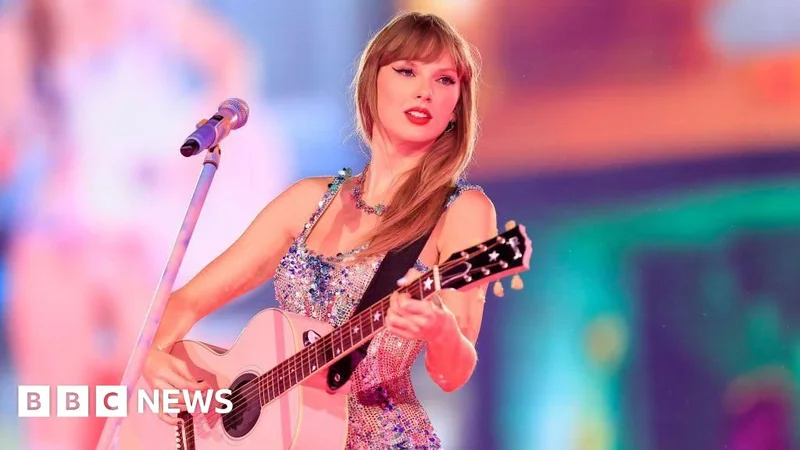
Image: Bbc
Main Takeaway
Swift’s new trademark filings target AI fakes that are already running TikTok scams, from bogus “TikTok Pay” promos to data-harvesting ads.
Jump to Key PointsSummary
What Swift actually filed
On April 24, TAS Rights Management, Swift's IP holding company, submitted three trademark applications to the U.S. Patent & Trademark Office. Two cover audio clips: one featuring Swift saying "Hey, it's Taylor Swift" and another with "Hey, it's Taylor." The third application protects a photograph of Swift performing on her Eras Tour. These filings mark the first time a major pop star has sought trademark protection specifically against AI-generated voice and image replicas. The applications aren't just paperwork. According to trademark attorney Josh Gerben, they're "specifically designed to protect Taylor from threats posed by artificial intelligence." The move comes after years of Swift's image being used in unauthorized AI deepfakes, from fake political endorsements to explicit content that circulated widely in January 2024.
Why trademarks work against AI fakes
Traditional copyright law struggles with AI-generated content because machines don't create exact copies, they create new works that sound or look like the original. Trademarks offer a different legal weapon. When Swift trademarks her actual voice recordings and specific images, anyone using AI to replicate those exact sounds or visuals could face trademark infringement claims. This strategy is gaining traction across Hollywood. Matthew McConaughey filed similar trademarks in March 2026 to protect his signature "alright, alright, alright" catchphrase from AI misuse. The approach sidesteps the murky waters of AI regulation by using century-old trademark law designed to prevent consumer confusion. If someone releases an AI-generated Taylor Swift song using her trademarked voice clips, Swift's team can argue it's misleading fans about the source of the content.
TikTok scams are already exploiting her image
Just days after the trademark filings went public, researchers documented a wave of deepfake ads on TikTok featuring AI-manipulated footage of Swift. One campaign pushes a fake "TikTok Pay" program that promises users $750 for signing up, a classic data-harvesting scheme. Another ad splices together interview clips to make it appear Swift is endorsing sketchy crypto investments. These aren't low-effort memes; they're polished 30-second spots that have racked up millions of views before takedown. The timing underscores why the trademark filings matter now. Without a clear legal hook, platforms can claim they’re merely hosting user-generated content. But once Swift's voice clips and tour photos are registered trademarks, every fake ad becomes a slam-dunk infringement case that forces faster removal.
Key Points
Swift’s April 24 trademark filings target specific voice clips and a single tour photo to fight AI misuse.
TikTok scammers are already using AI-manipulated Swift footage to push fake “TikTok Pay” and crypto schemes.
Trademark law lets Swift argue these fakes confuse fans about official endorsements, sidestepping weak AI regulations.
Matthew McConhey filed similar marks in March 2026, showing Hollywood is copying the playbook.
Questions Answered
Two audio clips of her saying 'Hey, it's Taylor Swift' and 'Hey, it's Taylor,' plus a photograph of her performing on the Eras Tour. These are specific recordings/images, not her voice or appearance in general.
Trademarks prevent unauthorized use of specific protected content. If someone uses AI to replicate Swift's exact trademarked voice clips, she can claim trademark infringement rather than relying on weaker copyright arguments.
No. The trademarks only protect the specific recordings and images filed. AI could still generate new Taylor Swift-like voices or images that don't use her exact trademarked content.
Yes. Matthew McConaughey filed similar trademarks in March 2026. Industry experts expect more celebrities to trademark signature phrases, vocal patterns, and iconic images as AI threats grow.
The USPTO will review them over 12-18 months. If approved, Swift gains stronger legal tools to combat AI misuse. The process may also influence pending AI regulation like the NO FAKES Act.
Source Reliability
60% of sources are highly trusted · Avg reliability: 82
Go deeper with Organic Intel
Simple AI systems for your life, work, and business. Each one includes copyable prompts, guides, and downloadable resources.
Explore Systems