Stocks Fall as Iran Conflict Sends Oil Higher and Treasury Yields Pressure Wall Street
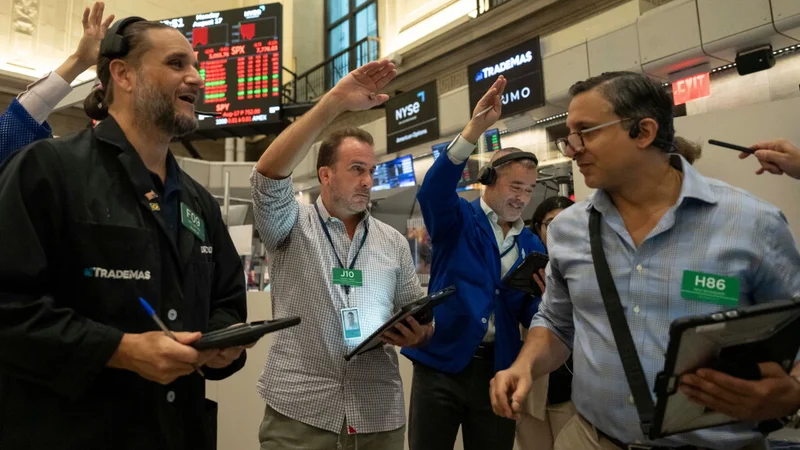
Image: Apnews
Main Takeaway
U.S. stocks fell on September 1 as oil approached $93 a barrel and rising Treasury yields revived inflation fears amid escalating conflict with Iran.
Jump to Key PointsSummary
Wall Street starts September lower
U.S. stocks opened September under pressure as higher oil prices and rising Treasury yields revived inflation concerns. The S&P 500 fell 0.71% to 7,631.47, the Nasdaq Composite dropped 1.03% to 26,099.77, and the Dow Jones Industrial Average lost 419.02 points, or 0.79%, to close at 52,766.88. CNBC reported the declines after a weaker session that had already pushed the S&P 500 to its lowest level since August 4.
The selling reflected a collision between geopolitical risk and bond-market pressure. Brent crude approached $93 a barrel during the session, while U.S. crude traded near $88 in a separate market assessment. Treasury yields reached their highest levels since early 2025, raising the discount rate applied to corporate earnings and putting particular pressure on growth and technology shares.
Oil turns war into inflation risk
The Iran conflict made energy markets the central driver of the September selloff. Higher crude prices threaten to lift transportation, manufacturing and household energy costs, complicating the inflation outlook and reducing expectations for easier monetary policy. The Dow's decline reflected broad selling, while the Nasdaq's larger percentage loss showed the sensitivity of long-duration technology stocks to higher rates.
Oil volatility remained elevated as markets assessed the effect of new U.S. strikes against Iran and the risk of further disruption across the Middle East. Reuters described turbulence across global markets as the war roiled energy trading, while Investrade placed Brent near $93 and linked the move to the conflict's escalation. The combination gave investors a direct macroeconomic problem: energy prices were rising at the same time that bond yields were climbing.
Bond yields tighten financial conditions
Rising Treasury yields added a second source of pressure by increasing borrowing costs and reducing the relative appeal of equities. The 10-year yield moved toward 4.8% in a technical market plan, while the 30-year yield had previously reached 5.267% during a separate bond-market shock. Those levels show how quickly debt-market stress can spread into stock valuations.
The Treasury Department had already intervened in the bond market before the September decline, announcing repurchases intended to ease pressure. That relief proved temporary in the earlier episode: the 10-year yield climbed as high as 4.71% the following day, and Treasury Secretary Scott Bessent said repurchases could exceed the initially announced $4 billion. The episode underscored the limits of official support when inflation and supply concerns continue driving bond sales.
Investors rotate beneath the headline indexes
Market damage extended beyond the major averages, but trading remained selective. Investrade showed the Russell 2000 lower alongside the Dow, S&P 500 and Nasdaq, indicating pressure on smaller companies as financing costs rose. The S&P had still recorded 27 new highs during 2026 before the September pullback, giving investors a substantial run of gains to protect.
AI-related shares remained a focus even as technology stocks broadly weakened. CNBC highlighted elevated short interest in UiPath and C3.ai ahead of earnings, with more than 116 million UiPath shares reportedly sold short. That positioning raises the possibility of sharp company-specific moves when results arrive, while broader AI enthusiasm continues to influence index performance. The following day's rebound, when the Dow rose 0.56%, the S&P 500 gained 0.46% and the Nasdaq advanced 0.45%, showed how quickly buying can return when yields ease.
A rebound follows the first shock
Stocks recovered on September 2 as Treasury yields eased and investors bought recently weakened shares. The Dow closed at 53,061.95, the S&P 500 at 7,666.60 and the Nasdaq at 26,217.82, according to the reported index figures. AI-linked companies helped lead the rebound, restoring part of the losses from the prior session.
The recovery did not remove the underlying risks. Oil remained the market's geopolitical pressure point, and bond yields continued to determine how investors priced growth assets. Bloomberg's September 2 market program kept oil, yields and AI at the center of discussion, while Reuters described continuing turbulence as the Middle East conflict unsettled trading. The immediate test is whether lower yields and selective buying can persist while energy prices remain elevated.
What investors are watching next
The next market direction depends on whether oil's rise feeds into broader inflation expectations and whether Treasury yields stabilize below the recent highs. A sustained move higher in crude would pressure consumers and companies, while another jump in long-term yields would tighten financial conditions even without a formal change in interest-rate policy.
Traders are also watching corporate earnings, short-interest names and technical support levels. One trading framework identified 7,570 as an important S&P 500 level, while the broader market entered the month after a strong run of record highs. The mix of war-driven energy risk, fragile bonds and concentrated AI exposure leaves the market vulnerable to fast rotations between defensive sectors, commodity producers and high-growth shares.
Key Points
U.S. stocks fell as Iran conflict risks pushed oil near $93 and Treasury yields higher.
Treasury intervention failed to prevent renewed bond-market pressure in the earlier yield shock.
Nasdaq shares bore greater pressure as rising yields reduced the value of future growth earnings.
UiPath and C3.ai entered earnings week with elevated short interest and heightened trading risk.
Stocks rebounded September 2 after Treasury yields eased and investors bought recently weakened shares.
Questions Answered
U.S. stocks fell because higher oil prices and Treasury yields revived inflation and interest-rate concerns. Escalating conflict with Iran pushed Brent crude toward $93 a barrel, while rising yields pressured equity valuations, especially technology shares.
Oil prices rose toward $93 a barrel for Brent crude during the September 1 selloff. U.S. crude traded near $88 as markets assessed the effect of new U.S. strikes against Iran and wider Middle East disruption.
Treasury yields rose sharply and reached their highest levels since early 2025, according to market coverage. A separate earlier bond-market shock saw the 10-year yield reach 4.71% and the 30-year yield hit 5.267%, despite Treasury repurchase efforts.
U.S. stocks recovered on September 2 as Treasury yields eased and investors bought recently weakened shares. The Dow rose 0.56%, the S&P 500 gained 0.46% and the Nasdaq advanced 0.45%.
UiPath and C3.ai faced elevated short interest ahead of their earnings reports. That positioning increased the risk of sharp price moves as investors evaluated results and the broader sensitivity of AI stocks to higher interest rates.
Source Reliability
63% of sources are highly trusted · Avg reliability: 77
Go deeper with Organic Intel
Simple AI systems for your life, work, and business. Each one includes copyable prompts, guides, and downloadable resources.
Explore Systems