SpaceX IPO Leaves Korean Broker Empty-Handed After Communication Breakdown
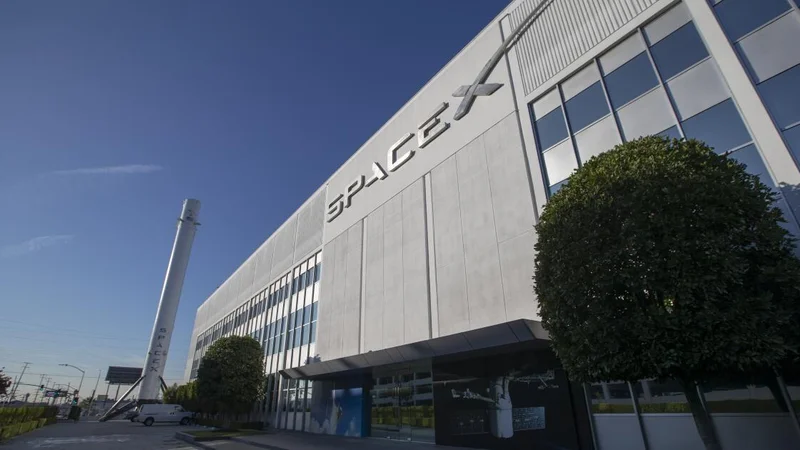
Image: Latimes
Main Takeaway
Mirae Asset Securities received zero SpaceX IPO shares due to a misunderstanding, triggering a regulatory probe in South Korea.
Jump to Key PointsSummary
How a broker fumbled the biggest IPO of 2026
Mirae Asset Securities, South Korea's sole underwriter in the SpaceX IPO syndicate, ended up with no shares to distribute to clients after a communication breakdown with lead underwriters, according to Bloomberg. The brokerage had accepted investor deposits and heavily marketed its access to the offering, only to inform clients after the fact that no allocation had been secured.
The incident has drawn sharp criticism from market participants who note that Mirae's role as a syndicate member carried no guarantee of share allocation. Several sources characterized the misunderstanding as a failure to clarify terms with the lead underwriters, rather than a technical or logistical error. For a firm seeking to burnish its global credentials, the outcome has proven deeply embarrassing.
SpaceX closed its first day of trading at $161 per share, up 19 percent from its $135 IPO price, pushing its market capitalization above $2.1 trillion. Korean investors who had prepared capital for the offering watched from the sidelines as the stock surged.
Why Korean retail investors flooded the market anyway
Blocked from the IPO, South Korean retail investors bought approximately $796 million of SpaceX shares on the open market during the first trading day, according to Briefs. This made SpaceX the most-purchased U.S. stock among the country's 14 million retail traders despite the IPO allocation failure.
The buying spree, which some estimates placed closer to $900 million according to Kedglobal, demonstrated both the depth of Korean investor appetite for the rocket-maker and the limitations of the domestic brokerage channel. Rather than accepting the missed opportunity, investors routed orders through other platforms or direct market access to acquire shares at a premium to the IPO price.
The episode highlights a growing tension in Korean capital markets: domestic brokerages market themselves as gateways to global offerings, but actual execution capacity often lags behind investor demand. The gap between promised access and delivered results has rarely been exposed so publicly.
Regulatory scrutiny intensifies on Mirae Asset
South Korea's Financial Supervisory Service has expanded its inspection of Mirae Asset Securities to specifically examine the SpaceX allocation failure, according to the LA Times and Business Times. The watchdog had already been reviewing the brokerage for unrelated issues when the IPO incident prompted a widening of the probe.
Regulators are examining whether Mirae adequately disclosed risks to investors who deposited funds in anticipation of receiving shares. The firm has since apologized to clients, Reuters AI reports, though the formal regulatory investigation continues. Any findings could result accountability measures or operational restrictions.
The case raises broader questions about how Korean brokerages represent their roles in international IPO syndicates. Being listed as an underwriter does not ensure share allocation, a distinction that appears to have been lost on both Mirae and its clients until too late.
What this means for Korea's global brokerage ambitions
The SpaceX fiasco lands at a sensitive moment for Korean financial institutions seeking expanded international relevance. Mirae Asset had positioned its syndicate membership as proof of arrival in the top tier of global investment banking, according to Bloomberg. Instead, the firm has become a cautionary tale about the gap between marketing and operational execution.
Competitors including Samsung Securities and KB Securities are likely to exploit the opening, marketing their own international capabilities as more reliable. The incident may also accelerate Korean regulatory interest in standardizing disclosure requirements for IPO syndicate participation, ensuring investors understand that underwriter status does not guarantee allocation.
For international issuers, the episode signals that Korean broker relationships require careful due diligence. A syndicate slot given for relationship or regional coverage reasons can backfire if the local partner lacks the infrastructure to execute.
What happens next for affected investors and Mirae
Mirae Asset faces a dual challenge: satisfying regulatory investigators while retaining clients who missed the IPO. The firm has not publicly detailed compensation plans for investors who deposited funds based on allocation expectations, though industry observers expect some form of goodwill offering.
Korean investors who bought in the aftermarket have paper gains given SpaceX's post-IPO performance, though they paid a premium to the $135 offering price. The regulatory probe's timeline remains unclear, but findings could emerge within weeks given the high profile of the case.
For the broader Korean brokerage industry, the incident will likely prompt internal reviews of how IPO access is marketed and what contractual protections exist when syndicate members fail to secure allocation. The question is whether any reforms arrive before the next blockbuster offering leaves another batch of Korean investors disappointed.
Key Points
Mirae Asset Securities, Korea's only SpaceX IPO underwriter, received zero share allocation due to a communication breakdown
South Korea's Financial Supervisory Service expanded its inspection of Mirae to examine the IPO failure
Korean retail investors purchased approximately $796 million of SpaceX shares in the aftermarket on day one
SpaceX closed at $161, up 19% from its $135 IPO price, reaching a $2.1 trillion market capitalization
Mirae Asset has apologized to investors as regulatory scrutiny continues over disclosure practices
Questions Answered
Mirae Asset Securities failed to secure any SpaceX IPO allocation due to a communication breakdown with lead underwriters, according to Bloomberg and Seeking Alpha. The firm had accepted investor deposits based on its syndicate membership but did not clarify that its role did not guarantee share allocation.
Yes, the Financial Supervisory Service has expanded its inspection of Mirae Asset Securities to specifically examine the SpaceX allocation failure, the LA Times and Business Times report. The probe examines whether the firm adequately disclosed risks to depositors.
SpaceX closed its first day of trading at $161 per share, up 19% from its $135 IPO price. The gain pushed the company's market capitalization above $2.1 trillion, according to Asianews and Koreaherald.
Mirae Asset Securities has apologized to investors over the failure to secure SpaceX IPO allocation, Reuters AI reports. The firm has not publicly detailed compensation plans for affected clients who deposited funds based on allocation expectations.
Source Reliability
36% of sources are trusted · Avg reliability: 70
Go deeper with Organic Intel
Simple AI systems for your life, work, and business. Each one includes copyable prompts, guides, and downloadable resources.
Explore Systems