Snapchat Alumni Launch District With $14.7M to Build Creator Marketplaces
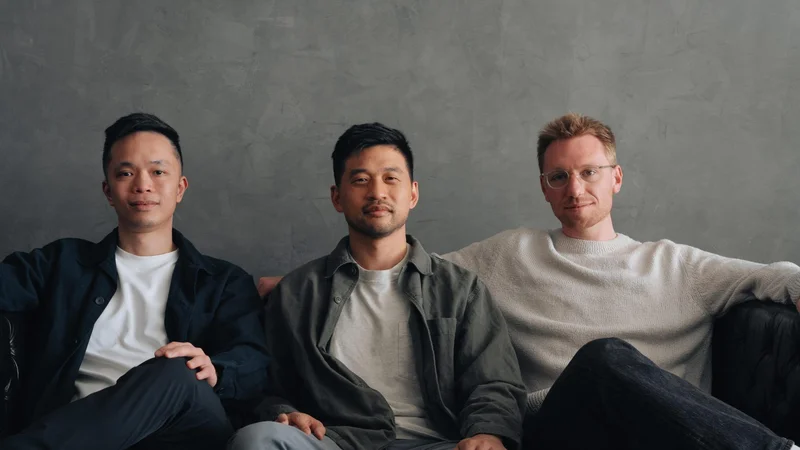
Image: Inkl
Main Takeaway
Former Snap engineers raise $14.7M seed to let creators like Crazy Lamp Lady build their own Amazon-style marketplaces without code.
Jump to Key PointsSummary
What District actually does
District is an AI platform that lets creators build their own marketplaces without writing code. Think Shopify meets TikTok, but the AI handles everything from inventory to payments. Creators like "Crazy Lamp Lady" (Jocelyn, with 800k followers) already use it to host live shopping events and town halls. The platform sanded down the technical barriers that kept most creators stuck on Instagram or Amazon.
The founding team came from Snapchat's engineering ranks: Eddie Koai, Patrick Mandia, and Khoi Tran launched in 2022 with a simple thesis. People buy from people they trust, not faceless corporations. Their AI tools generate product listings, handle logistics, and even moderate communities automatically.
Why this funding round matters
Andreessen Horowitz led the $14.7 million seed, joined by Kindred Ventures, Greylock, SV Angel, and 20VC. That's unusually large for a seed round, especially in the current funding climate. The investor list reads like a who's who of social commerce: ex-Depop CEO Maria Raga, Snap veterans Peter Sellis and Imran Khan, plus Gokul Rajaram.
The money signals something bigger than another creator tool. It represents a bet on the next evolution of commerce. While Amazon optimized for efficiency, District optimizes for relationships. The round gives them runway to compete directly with established players who've spent decades building logistics networks.
The Snapchat connection
All three founders cut their teeth at Snap during its hypergrowth years. They watched firsthand how ephemeral content built trust faster than traditional advertising. Koai previously worked on Snap's commerce features, Mandia built creator tools, and Tran focused on community products.
Their experience building features for 300 million daily active users shaped District's approach. They learned that communities aren't built around products, they're built around personalities. The platform bakes this insight into every feature, from AI-generated seller profiles to community moderation that feels human rather than algorithmic.
What happens next
District plans to expand beyond individual creators to small brands and niche communities. They're targeting vintage sellers, craft makers, and local boutiques who've been squeezed by Amazon's race to the bottom on prices. The platform takes a cut of each transaction, but creators keep control of their customer relationships.
The real test comes as they scale. Can they maintain the personal touch when managing thousands of individual marketplaces? Their AI approach suggests yes, but early adopters like Crazy Lamp Lady will determine whether this becomes the default platform for creator commerce or remains a niche tool for the already successful.
Competitive implications
This puts pressure on established players. Shopify's been adding social features, but they're bolted onto a traditional e-commerce foundation. Instagram and TikTok own the audience but don't let creators own the transaction. Amazon has the logistics but lacks personality.
District's angle: own the entire relationship stack. Creators get the intimacy of Instagram Live with the monetization of Shopify and the logistics of Amazon, all without hiring developers. If it works, expect rapid feature parity from competitors who've spent years optimizing for different priorities.
The bigger picture
We're watching commerce splinter into thousands of niche communities. The winner won't be the platform with the most products, but the one that helps creators build the strongest relationships. District's $14.7 million bet is that AI can scale human connection better than traditional e-commerce ever could.
The Snapchat DNA runs deep here. Just as Snap made disappearing messages feel personal, District wants to make buying from your favorite creator feel like supporting a friend. Whether that's worth $14.7 million remains to be seen, but the early traction with creators who've built real businesses suggests they're onto something.
Key Points
District raised $14.7 million seed round led by Andreessen Horowitz to build AI-powered creator marketplaces
Founded by three Snapchat alumni who previously built creator tools and commerce features for 300M+ daily users
Platform lets creators like "Crazy Lamp Lady" build their own marketplaces without technical knowledge or code
Takes on Amazon, Shopify, and Instagram by combining social commerce with creator-owned customer relationships
Already used by creators with 800k+ followers to host live shopping events and community town halls
Questions Answered
District combines the creator tools of social platforms with the commerce capabilities of Shopify, but lets creators own the entire customer relationship. Unlike Amazon, creators control their brand and customer data. Unlike Shopify, you don't need technical skills or separate social media integration.
The AI handles product listing generation, inventory management, payment processing, and community moderation automatically. Creators focus on content and relationships while the platform manages the technical backend, similar to how TikTok's algorithm handles video distribution.
The $14.7 million seed is unusually large because it represents a bet on the next evolution of commerce. Investors see potential for District to become the default platform for creator commerce, similar to how Shopify became the default for e-commerce brands.
All three founders built creator and commerce tools at Snapchat during its hypergrowth years. They learned firsthand how ephemeral content builds trust faster than traditional advertising, and applied these insights to create more personal shopping experiences.
District isn't trying to compete on price. Instead, it enables creators to charge premium prices by building trust and community around their personality and curation. Early users like vintage sellers are finding customers willing to pay more for the personal connection.
Source Reliability
67% of sources are trusted · Avg reliability: 78
Go deeper with Organic Intel
Simple AI systems for your life, work, and business. Each one includes copyable prompts, guides, and downloadable resources.
Explore Systems