San Francisco Demands Apple and Google Delete 13 AI Nudify Apps, Cites Millions in Profits
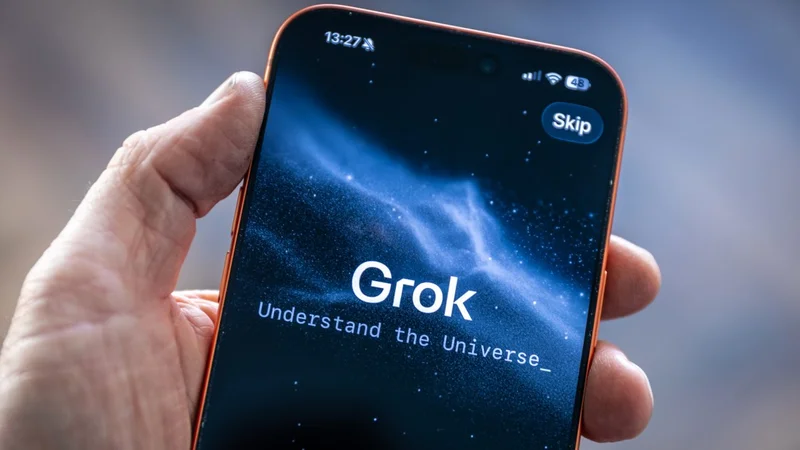
Image: Nbcnews
Main Takeaway
San Francisco City Attorney David Chiu sent cease-and-desist letters to Apple and Google demanding they remove 13 AI face-swap apps used to generate.
Jump to Key PointsSummary
The cease-and-desist demands
San Francisco City Attorney David Chiu sent legal notices to Apple and Google on Thursday, ordering the tech giants to remove 13 AI-powered nudification apps from their app stores. Wired first reported the letters, which accuse the companies of aiding and abetting the creation of nonconsensual explicit deepfake images. The targeted apps, often marketed as face-swap tools, overwhelmingly target women and girls.
Chiu's office identified eight offending apps on Apple's App Store and five on Google Play, according to MacRumors. The letters demand that the platforms stop profiting from these tools and delete them immediately. Ars Technica notes the city attorney's office estimated the two companies likely made millions of dollars in fees and commissions from these apps alone.
The business of nonconsensual images
The financial scale of the problem extends far beyond the 13 apps named this week. Finance.yahoo reported that Apple and Google are quietly profiting from a $122 million ecosystem of AI nudify tools, with 54 civil rights organizations demanding legal action. A broader analysis cited in the same report identified 102 such apps still circulating across both stores despite public bans on nonconsensual sexual content.
Appleinsider reported that Apple has been specifically accused of aiding and abetting the use of these apps on the iPhone, with Chiu's office calling out the company's failure to enforce its own developer guidelines. The city attorney's action represents a new front in holding platform operators financially accountable, not just the app developers themselves.
How the apps work and who they harm
These nudification apps make it trivially easy to transform ordinary photos of real people into explicit images. According to Ars Technica, the harmful AI tools allow bad actors to remove clothing, change a person's features, place them in sexualized positions, and swap victims' faces onto pornographic bodies. The technology requires no technical skill, just a photo and a few taps.
Wired AI has tracked this technology's evolution, reporting that deepfake nudify tools are getting darker and more dangerous. The apps are overwhelmingly used to target women and girls. Ca.news.yahoo notes that the city attorney's office framed the issue as one of facilitating sexual deepfakes without consent, a practice prohibited under California law.
Broader political pressure on app store gatekeepers
The San Francisco action doesn't exist in a vacuum. Earlier this year, three Democratic senators urged Apple and Google to remove Elon Musk's X and Grok from their app stores after xAI's AI tool was used to flood the platform with sexualized nonconsensual images of real people, according to NBC News. Reuters confirmed the senators' demand, noting that X adjusted Grok's behavior hours after the pressure campaign began.
A coalition of 28 organizations, including survivor families from ParentsSOS, also demanded the removal of Grok and X from app stores in an open letter coordinated by Fairplay and UltraViolet. Senator Jon Ossoff's office sent a separate letter to Tim Cook in April 2026 expressing deep concern about nudify apps using Apple's sign-on system. The pattern is clear: regulators and lawmakers are increasingly treating app store operators as liable enablers, not neutral platforms.
The legal framework shifting under tech companies
California's legal environment is growing more hostile to AI companies that profit from harmful outputs. Gizmodo reported that California's Attorney General issued a legal memo suggesting that much of the AI industry's business practices might already be illegal under existing state law. The memo underscored that consumer protection statutes and criminal laws around nonconsensual imagery apply to AI tools just as they do to any other technology.
This provides the backdrop for Chiu's cease-and-desist letters. The city attorney isn't just asking for takedowns, he's signaling that Apple and Google could face legal consequences under California's laws against distributing nonconsensual intimate imagery. The letters frame the app stores as active participants, not neutral marketplaces.
What happens next for the app stores
Apple and Google have yet to publicly respond to the cease-and-desist letters. The demands don't carry immediate legal force, but they set the stage for potential litigation if the companies fail to comply. Aichatdaily notes that the letters put both companies on formal notice, which strengthens any future lawsuit by establishing that the platforms were warned about specific apps and chose not to act.
Finance.yahoo reports that 54 civil rights organizations are already pushing for broader action beyond these 13 apps, targeting the entire $122 million nudify app economy. The pressure is unlikely to stop with San Francisco. If other city attorneys or state AGs follow Chiu's lead, Apple and Google could face a cascade of similar demands, each carrying its own legal risk.
Key Points
San Francisco City Attorney David Chiu sent cease-and-desist letters demanding Apple and Google remove 13 AI nudify apps
The city estimates the tech giants made millions in fees from apps that generate nonconsensual explicit images
Eight of the flagged apps are on Apple's App Store and five are on Google Play, overwhelmingly targeting women and girls
A broader $122 million ecosystem of 102 nudify apps exists across both stores, with 54 civil rights groups demanding action
Democratic senators previously demanded the removal of X and Grok from app stores over similar deepfake concerns
Questions Answered
City Attorney David Chiu sent cease-and-desist letters demanding Apple and Google remove 13 AI nudify apps from their app stores. The letters accuse the companies of aiding and abetting the creation of nonconsensual explicit deepfakes and profiting from the harmful technology.
Thirteen apps were flagged. Eight are on Apple's App Store and five are on Google Play. A broader investigation identified 102 such apps across both stores generating a $122 million ecosystem.
The apps use AI to remove clothing from photos, change a person's features, place them in sexualized positions, and swap victims' faces onto explicit images. They require no technical skill and overwhelmingly target women and girls.
The cease-and-desist letters put the companies on formal legal notice. If they fail to remove the apps, the City Attorney could pursue litigation, and the formal notice strengthens any future lawsuit by establishing the platforms were aware of the harmful content.
No. Earlier in 2026, Democratic senators urged Apple and Google to remove X and Grok from their stores after xAI's Grok tool was used to flood X with sexualized nonconsensual images. A coalition of 28 organizations also demanded removal of those apps.
Source Reliability
46% of sources are trusted · Avg reliability: 72
Go deeper with Organic Intel
Simple AI systems for your life, work, and business. Each one includes copyable prompts, guides, and downloadable resources.
Explore Systems