Roblox Shares Jump as Russia Moves to Reverse Ban After Children's Protests
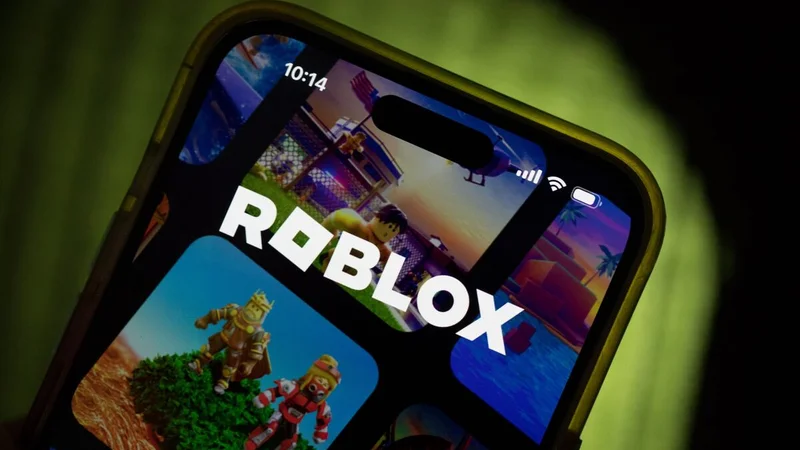
Image: Bloomberg AI
Main Takeaway
Roblox shares surged 5.37% after Russian agencies proposed lifting a nationwide platform ban following protests from 63,000 children and compliance.
Jump to Key PointsSummary
Why Russia blocked Roblox in the first place
Russian authorities banned Roblox earlier in June 2026, accusing the platform of hosting extremist material and failing to adequately moderate user-generated content or secure children's chats. The block was implemented by Roskomnadzor, Russia's media regulator, which cited violations of local laws governing online safety and content moderation. The ban cut off access for millions of young Russian users who had built communities, games, and social connections on the platform.
The timing fit a broader pattern of Russian restrictions on foreign tech platforms. Moscow has blocked or restricted numerous Western services since its 2022 invasion of Ukraine, often citing national security or content violations. Roblox, with its massive under-18 user base, represented a particularly visible target, and the ban drew immediate and unusual public pushback from families across Russia.
How children forced the government's hand
The ban reversal gained momentum after an estimated 63,000 Russian children petitioned the Kremlin directly, according to United24media and The Moscow Times. Ekaterina Mizulina, head of the Safe Internet League, acknowledged receiving thousands of complaints from young users and their parents. The public criticism reportedly contributed to measurable drops in government approval ratings, creating political pressure that technocrats in the Ministry of Digital Development could not ignore.
This level of organized youth protest against an internet restriction is virtually unprecedented in Russia's heavily controlled information environment. Children proved to be an unexpectedly effective lobbying force because their grievances carried emotional weight and could not be easily dismissed as foreign influence. The Ministry of Digital Development formally appealed to law enforcement agencies to support unblocking, framing the move as responsive to public demand rather than a policy reversal.
What Roblox promised to change
Roblox acknowledged shortcomings in its content moderation and chat security systems, according to Roskomnadzor statements reported by The Record. The U.S.-based company reached out directly to Russian regulators to discuss operational changes that would bring the platform into compliance with local legal requirements. These discussions appear to have produced concrete commitments sufficient for Russian authorities to consider the matter resolved.
The specific modifications Roblox agreed to implement have not been publicly detailed, but they likely include enhanced filtering of user-generated content, stronger age verification, and improved monitoring of in-game communications. For Roblox, these changes represent a manageable cost of re-entering a market with millions of active users. The company's willingness to negotiate contrasts with some Western platforms that have withdrawn from Russia entirely rather than adapt to regulatory demands.
The market's immediate verdict
Investors responded swiftly to signals of a resolution. Roblox shares jumped 5.37% on June 10, 2026, according to Yahoo Finance data, with the stock gaining additional ground as Interfax reported that access had been fully restored. The rally reflected both the direct revenue implications of Russian market access and relief that a protracted regulatory conflict had been avoided through negotiation rather than escalation.
The share price movement also signaled broader investor confidence in Roblox's ability to navigate geopolitical complexity. Gaming companies with significant international exposure have faced heightened regulatory risk in multiple markets. Roblox's apparent success in reaching a negotiated settlement provided a template that analysts viewed as replicable elsewhere. Trading volume surged alongside the price increase, suggesting institutional as well as retail interest in the resolution.
What this means for platform regulation globally
The Roblox case illustrates a growing pattern where user mobilization can override government censorship decisions, even in authoritarian contexts. Platforms that cultivate devoted young user bases may gain unexpected political leverage when restrictions threaten popular services. This dynamic creates both opportunities and risks for tech companies operating across divergent regulatory regimes.
For regulators, the episode highlights tensions between content control objectives and public legitimacy. Russia's reversal under pressure from children suggests that internet blocks carry political costs that can exceed their security benefits. Other governments weighing similar restrictions on popular platforms will likely study this case. For Roblox, the challenge now shifts to implementing promised changes without degrading the user experience that made the platform indispensable to Russian children in the first place.
Key Points
Russia banned Roblox in June 2026 for alleged extremist content and chat security failures.
63,000 Russian children petitioned the Kremlin, creating political pressure to reverse the ban.
Roblox negotiated with Roskomnadzor and pledged operational changes to comply with local laws.
Roblox shares jumped 5.37% as investors priced in restored access to the Russian market.
The episode shows user mobilization can override government censorship even in authoritarian systems.
Questions Answered
Russia's media regulator Roskomnadzor banned Roblox for allegedly hosting extremist content and failing to adequately moderate user-generated content or secure children's chats. The block cut off millions of young Russian users from the platform.
Approximately 63,000 Russian children petitioned the Kremlin to overturn the Roblox ban, generating significant political pressure. The Ministry of Digital Development subsequently requested law enforcement support to unblock the platform, and Interfax reported access was restored.
Roblox acknowledged content moderation and chat security shortcomings to Russian regulators and committed to operational changes that would bring the platform into compliance with local laws. Specific technical modifications were not publicly detailed.
Roblox shares jumped 5.37% on June 10, 2026, following reports that Russian agencies proposed lifting restrictions. The rally reflected both direct revenue implications and investor relief that a negotiated settlement was reached.
Interfax reported on June 10, 2026, that Russia restored access to Roblox after concluding the company had complied with local legal requirements. The Ministry of Digital Development had secured compliance guarantees from the American developer.
Source Reliability
33% of sources are trusted · Avg reliability: 65
Go deeper with Organic Intel
Simple AI systems for your life, work, and business. Each one includes copyable prompts, guides, and downloadable resources.
Explore Systems