Proposed Gas Plants for AI Data Centers Could Raise US Power Emissions by 20%
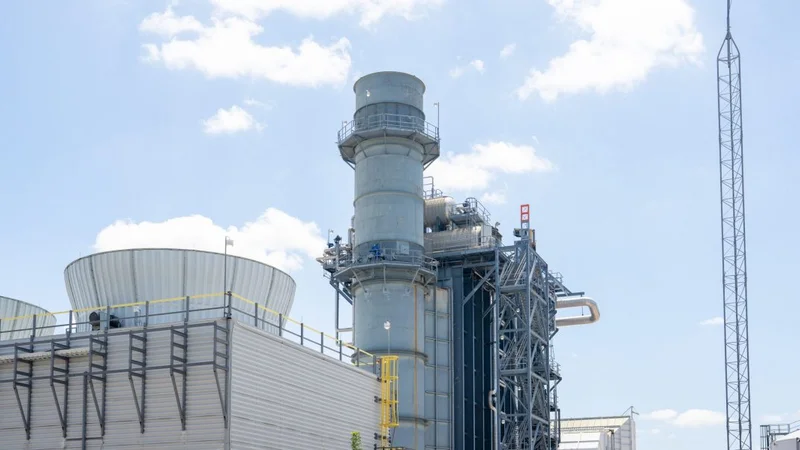
Image: Fortune AI
Main Takeaway
Ninety-nine proposed gas plants for US AI data centers could emit 318 million metric tons of carbon dioxide annually, complicating corporate climate targets.
Jump to Key PointsSummary
The emissions calculation
Ninety-nine proposed natural-gas plants serving US data centers could add 318 million metric tons of carbon dioxide emissions each year if operated at standard utilization rates. That volume equals about 21% of the 1,485 million metric tons emitted by the US electric power sector in the previous year, based on figures cited from BloombergNEF and the Energy Information Administration.
The estimate captures a striking consequence of the AI infrastructure boom: electricity demand is being met with dedicated fossil-fuel generation rather than relying solely on existing grids or new renewable capacity. The figure represents a development pipeline, not emissions already produced, and actual output would depend on which projects are built and how often they run. Bloomberg News provided the analysis behind the estimate, while coverage from Reuters, Environmental Integrity and Journal Record described the plants as a major climate concern.
Why data centers want dedicated power
Dedicated gas plants give data-center operators a direct supply of electricity as utilities struggle to connect large AI campuses quickly. Natural gas plants can provide steady power and avoid some grid interconnection delays, while data centers require round-the-clock electricity for servers, cooling systems and backup operations.
That speed comes with environmental and financial tradeoffs. Gas generation produces carbon dioxide and can emit nitrogen oxides and other pollutants near host communities. Bespoke facilities also risk locking operators into long-lived fossil-fuel assets as companies pursue emissions targets and investors scrutinize the carbon intensity of computing. WIRED’s analysis focused on the design and operating factors that make these plants especially polluting, while Spotlight PA and Environmental Integrity emphasized local pollution alongside climate emissions.
Corporate climate targets face pressure
Amazon and Microsoft are among the companies associated with developing data-center capacity that would rely on new gas generation. Both companies have made public climate commitments, creating a direct tension between rapidly expanding computing infrastructure and the emissions of the power used to operate it.
The conflict extends beyond a single company’s accounting. A data center can report reduced operational emissions through renewable-energy contracts while the broader electricity system adds fossil generation to serve its demand. That gap has drawn attention from climate analysts and advocacy groups, which argue that power procurement must be judged by the actual generation brought online, its operating schedule and pollution controls. The proposed plants therefore put pressure on corporate reporting, permitting decisions and utility planning at the same time.
Communities carry local costs
The proposed facilities would affect communities through more than carbon dioxide. Gas plants release air pollutants that can worsen respiratory conditions, and their impacts depend on plant size, emissions controls, location and proximity to homes and workplaces.
Environmental Integrity and Spotlight PA framed the issue around pollution burdens in communities hosting data centers and power infrastructure. Their comparisons place the projected climate pollution at a scale comparable to national emissions from a major industrialized country, underscoring how concentrated AI development can produce effects far beyond server campuses. Permitting agencies must weigh those local impacts against claims of economic growth, tax revenue and grid reliability. The debate also raises questions about who receives the benefits of AI investment and who absorbs the pollution.
Grid planning is entering a new phase
The gas-plant pipeline reflects a broader US power challenge: utilities and developers are planning for a sharp rise in electricity demand from data centers while transmission, generation and clean-energy projects take years to complete. Dedicated generation offers a faster route for individual campuses, but widespread adoption would shift demand growth onto new fossil infrastructure.
Rhodium Group research has examined how expanding data-center electricity use affects US energy demand and emissions, providing context for the proposed projects. The outcome will depend on build rates, plant utilization, renewable additions, storage, transmission upgrades and rules governing interconnection and emissions. Policymakers and utilities now face a choice between treating data centers as isolated private loads or planning them as a national energy issue with consequences for reliability, air quality and climate targets.
What happens next
The immediate questions are which of the 99 proposed plants will receive permits, which will reach construction and how frequently they will operate. Developers also face scrutiny over whether gas facilities are temporary bridges, permanent assets or part of hybrid systems paired with renewable power and storage.
Data-center growth will keep testing the limits of US power planning. If gas generation becomes the default answer to AI demand, the sector’s expansion will carry a substantial emissions cost and complicate corporate decarbonization claims. If grid upgrades and cleaner generation keep pace, some projects may be avoided or run less often. Regulators, utilities, communities and technology companies will shape that result through decisions made before the proposed capacity becomes operational.
Key Points
Ninety-nine proposed gas plants for US data centers could emit 318 million tons of carbon dioxide annually.
AI data-center power demand is pushing developers toward dedicated natural-gas generation outside ordinary utility planning.
Amazon and Microsoft face added pressure to reconcile expanding computing capacity with corporate climate commitments.
Local communities could experience nitrogen oxide pollution and other health burdens near new data-center power plants.
The final emissions impact depends on permitting, utilization, renewable additions, storage and transmission investment.
Questions Answered
The proposed US data-center gas plants could emit about 318 million metric tons of carbon dioxide annually. That equals roughly 21% of emissions from the US electric power sector in the comparison cited by Bloomberg’s analysis.
AI data centers are turning to natural-gas power plants for steady electricity and faster deployment when grid connections are delayed. Dedicated generation can serve large campuses directly, but it adds fossil-fuel emissions and local air pollution.
Amazon and Microsoft are among the companies associated with data-center development tied to the proposed gas plants. The projects create tension between growing AI infrastructure and the companies’ published climate commitments.
The 99 proposed gas plants are part of a development pipeline rather than completed operating capacity. Actual emissions will depend on permitting, construction, plant utilization and whether cleaner power alternatives replace some projects.
US data-center power emissions will depend on decisions about gas-plant permits, transmission, renewable generation, storage and operating schedules. Regulators and utilities will determine how much AI demand is served by fossil generation or cleaner power.
Source Reliability
63% of sources are trusted · Avg reliability: 72
Go deeper with Organic Intel
Simple AI systems for your life, work, and business. Each one includes copyable prompts, guides, and downloadable resources.
Explore Systems