Pope Leo XIV's AI Encyclical Uses Tech Critique to Target Power and Inequality
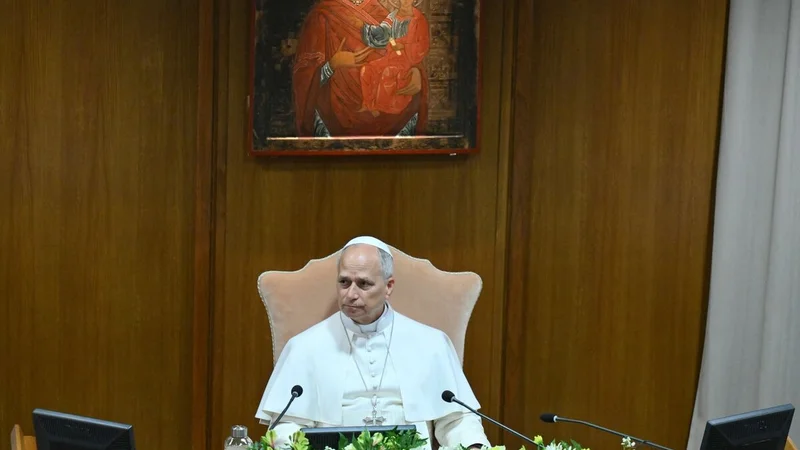
Image: Bloomberg AI
Main Takeaway
Pope Leo XIV issued his first encyclical, Magnifica Humanitas, warning AI must not dominate humanity while framing technology as a lens for deeper.
Jump to Key PointsSummary
What the encyclical actually says
Pope Leo XIV published his first encyclical, Magnifica Humanitas, on safeguarding the human person in the age of artificial intelligence. The document, released Monday, calls for AI to be prevented from dominating humanity and warns that the technology must be effectively disarmed to protect human dignity. Bloomberg reports that the pope added his voice to the heated debate over government regulation of technology, framing AI as a force that requires active restraint rather than passive hope.
The encyclical's scope extends well beyond technical specifications. According to Vatican News, the document emphasizes that AI must help rather than hinder children and young people, suggesting particular attention to how algorithmic systems shape developing minds. The National Catholic Reporter notes that Pope Leo warned against AI in warfare and told students directly that they are not an algorithm, reinforcing the personalist theology that runs through the document. America Magazine confirms the encyclical was titled Magnifica Humanitas and represents the new pope's first major teaching document.
Why AI is mostly a framing device
The encyclical uses artificial intelligence as a lens to diagnose older and more pervasive problems. TechCrunch's analysis argues that the document is not really about AI at all; instead, it targets concentrated power, eroding democracy, and a tech elite that shapes the world to its own advantage. The technology serves as a contemporary entry point for timeless concerns about inequality, war, and the degradation of human community. This framing allows the pope to address a secular audience through a shared cultural reference while steering toward fundamentally theological territory.
The choice of AI as hook reflects strategic communication as much as doctrinal urgency. By leading with a topic that dominates global policy discussions, the encyclical secures attention from audiences who might otherwise ignore a Vatican document on social ethics. Yet the substantive critique lands on structural features of modern capitalism and governance that predate large language models by decades or centuries.
The unusual Anthropic connection
The encyclical's rollout included a notable interlocutor from the technology industry itself. The National Catholic Reporter reported that Pope Leo presented his encyclical alongside a co-founder of Anthropic, the AI safety company founded by former OpenAI researchers. This pairing signals an attempt at genuine engagement rather than blanket condemnation of the technology sector. It also suggests the Vatican recognizes that effective critique requires understanding the systems and incentives it targets.
The collaboration drew attention from PBS, which covered the encyclical launch as a significant cultural moment. The presence of an Anthropic representative at a papal document release illustrates how AI ethics has become a site where religious authority and technical expertise increasingly overlap. Whether this partnership model continues, or proves to be a one-time media strategy, may indicate how the Vatican positions itself in future technology debates.
Historical context of papal tech engagement
Pope Leo XIV is not the first pontiff to address emerging technology, but the encyclical format elevates the stakes. OSV News catalogued previous papal statements on artificial intelligence, showing this document builds on years of incremental Vatican attention to digital ethics. The encyclical represents a qualitative shift from occasional remarks to a comprehensive magisterial statement with potential influence on Catholic social teaching worldwide.
The timing matters as well. Released in 2026, the document enters a policy environment where the European Union has already implemented its AI Act and the United States is debating federal legislation. Catholic Courier and Crux both noted the encyclical's publication as a significant event, suggesting the document aims to influence ongoing regulatory conversations rather than merely comment from the sidelines. The Vatican's timing suggests awareness that moral framing can shape implementation details of technical governance.
What happens next for Vatican tech policy
The encyclical's practical effects depend on uptake by Catholic institutions and sympathetic policymakers. Vatican News covered the publication with emphasis on its implications for youth formation, suggesting internal church education may be the first site of implementation. The document's call to prevent AI from dominating humanity could influence Catholic university research priorities, hospital procurement decisions, and diocesan investment policies.
Broader impact remains less certain. Bloomberg's coverage emphasized the regulatory debate context, suggesting the encyclical functions partly as moral pressure on legislators considering AI guardrails. Whether Pope Leo XIV develops ongoing institutional mechanisms to monitor compliance, or relies on the encyclical's persuasive force alone, will determine whether Magnifica Humanitas becomes a reference point in technology ethics or a well-intentioned but ultimately shelved document. The Anthropic collaboration hints at continued engagement, but sustained institutional follow-through would mark a genuine shift in how the Holy See approaches technological change.
The deeper argument about human dignity
At its core, the encyclical advances a philosophical claim about what counts as properly human activity. The National Catholic Reporter's coverage of the pope telling students they are not an algorithm captures the document's central tension: the reduction of human experience to computable patterns threatens a form of spiritual diminishment that regulation alone cannot address. This argument places the Vatican in conversation with secular critics of algorithmic management, from labor organizers to privacy advocates, while grounding the critique in specifically theological anthropology.
The risk for the document's reception is that audiences focused on technical AI policy may dismiss its broader social critique as tangential. Conversely, readers seeking spiritual guidance may find the technology framing distracting. The encyclical's challenge is to hold both registers together convincingly. Its success or failure in doing so will shape whether future papal documents continue to use contemporary technology as an entry point for traditional moral teaching, or return to more direct forms of religious address.
Key Points
Pope Leo XIV issued his first encyclical, Magnifica Humanitas, on AI and human dignity
The document warns AI must be disarmed to prevent domination of humanity
TechCrunch argues the encyclical uses AI to critique older problems of power and inequality
Pope Leo presented the encyclical alongside an Anthropic co-founder in unusual tech engagement
The document builds on years of Vatican attention to digital ethics and emerging technology
Questions Answered
The encyclical is titled Magnifica Humanitas, which focuses on safeguarding the human person in the time of artificial intelligence.
No, it does not call for a ban. It calls for AI to be disarmed and prevented from dominating humanity, with emphasis on regulation and moral restraint rather than prohibition.
The collaboration with Anthropic's co-founder signals an attempt at genuine engagement with the technology industry rather than blanket condemnation, reflecting a strategy of dialogue with AI developers.
Previous statements were often occasional remarks; this is a comprehensive magisterial document in the encyclical format, which carries higher authority in Catholic teaching and aims for broader influence.
TechCrunch argues the encyclical is not primarily about AI but uses it as a lens to critique concentrated power, eroding democracy, inequality, and a tech elite that shapes the world to its own advantage.
Potential effects include influencing Catholic university research priorities, hospital procurement decisions, diocesan investment policies, and providing moral framing for AI regulation debates in Europe and the United States.
Source Reliability
36% of sources are highly trusted · Avg reliability: 73
Go deeper with Organic Intel
Simple AI systems for your life, work, and business. Each one includes copyable prompts, guides, and downloadable resources.
Explore Systems