Oura Targets Public Markets as Smaller Rings, Health Features Expand Its Consumer Reach
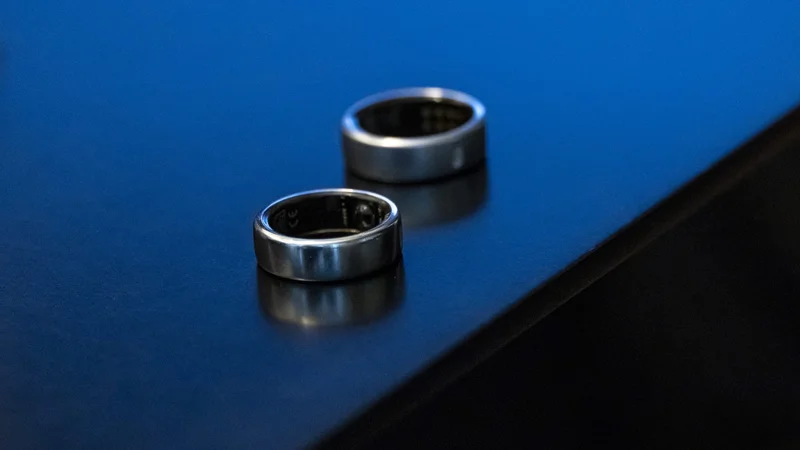
Image: Cnbc
Main Takeaway
Oura filed for a U.S. IPO after revenue surged, as its smaller Ring 5 and broader health tracking push the smart-ring maker toward mainstream adoption.
Jump to Key PointsSummary
Oura takes aim at public markets
Oura has confidentially filed for a U.S. initial public offering as its smart rings move from a niche sleep product into a broader consumer health business. The Finland-founded company submitted a draft registration statement to the Securities and Exchange Commission, but it hasn't disclosed the number of shares, price range, or timing of the offering. The IPO depends on the SEC review and market conditions.
The filing gives investors a closer look at a company preparing for public scrutiny after rapid expansion. Oura's revenue rose 74% to $1.21 billion in the 9 months ended June 30, while net income reached $60.8 million, compared with $1.6 million a year earlier. Bloomberg reported that the filing also showed increasing losses, underscoring the tension between fast growth and the cost of scaling a hardware-and-subscription business.
Growth rests on a wider audience
Oura's appeal now extends beyond athletes and sleep enthusiasts. The ring tracks heart rate, sleep stages, physical activity, readiness, and other health signals, giving the company a broader pitch for people interested in daily wellness, prevention, and long-term health management. Its health features also include AI-powered tools focused on women's health.
That expansion supports Oura's effort to reach consumers who may not want a smartwatch on their wrist. The company has sold 5.5 million rings globally, more than double the 2.5 million figure previously reported, according to The Healthcare Technology Report. Oura Chief Medical Officer Dr. Ricky Bloomfield said the ring will help detect diseases, a claim that raises the product's medical ambitions as the company approaches public markets. The device's role remains centered on tracking and insight, while disease detection brings higher expectations for evidence, clinical validation, and regulatory discipline.
Smaller hardware broadens the pitch
Oura's Ring 5 is designed to make the product easier to wear by shrinking the design 40% from the previous generation. The company says the smaller ring preserves the earlier model's sensing, tracking, and accuracy, despite the engineering challenge of fitting batteries, electronics, and sensors into less space.
The design change matters because comfort and appearance influence whether a wearable becomes a daily habit. Oura's chief executive, Tom Hale, said members had requested a smaller ring for years. A less bulky product also gives Oura a stronger answer to consumers comparing rings with watches and other wrist-based trackers. That hardware push complements the company's demographic expansion: health-conscious buyers, people focused on sleep, and users seeking discreet monitoring can all fit the same product strategy.
Cost remains part of the calculation
Oura's public-market story depends on more than unit sales. Smart rings combine upfront hardware costs with ongoing software and health insights, making pricing and subscription retention central to the company's economics. The available IPO coverage identifies the ring's cost as a key topic but doesn't provide a confirmed product price or subscription figure.
That leaves investors weighing Oura's revenue growth against the expense of research, manufacturing, data infrastructure, marketing, and clinical or health-related development. The company's jump from a $5 billion valuation in 2024 to an $11 billion valuation after a $875 million Series E round last year reflects strong private-market momentum. Its IPO filing now puts that momentum beside profitability metrics and operating losses, where the durability of customer spending will receive closer examination.
Board changes signal IPO preparation
Oura has strengthened its board with 4 independent directors who bring public-company experience from businesses including Netflix and Robinhood. The appointments add governance expertise as the company prepares for an offering and transitions from private fundraising to quarterly reporting, shareholder scrutiny, and formal market disclosure.
The board expansion fits the wider timing of the filing. Oura entered the IPO process as consumer companies returned to public markets after a summer lull, with issuers targeting the period after Labor Day. For Oura, the move connects operating growth, product expansion, and corporate preparation. The company still has to clear the SEC review, set offering terms, and determine whether market conditions support a launch.
What happens next for Oura
Oura's next phase will test whether a smart ring can sustain mainstream health adoption while meeting public investors' demands for profitable growth. The company has built scale through a discreet form factor, expanding health features, and a growing installed base, but its IPO will expose the costs behind that progress.
The Ring 5 gives Oura a product-led route to new customers, while disease-detection ambitions raise the bar for trust and validation. Its board appointments prepare the company for public ownership, and the confidential filing begins the regulatory process without committing Oura to a date or valuation. If the offering proceeds, investors will be watching revenue growth, subscription economics, ring sales, losses, and the credibility of Oura's medical claims.
Key Points
Oura filed confidentially for a U.S. IPO after revenue climbed 74% to $1.21 billion.
Oura Ring 5 shrinks the wearable design 40% while preserving claimed sensing and tracking accuracy.
Oura has sold 5.5 million rings globally as health features expand beyond sleep monitoring.
Oura appointed 4 independent directors with Netflix and Robinhood experience before its IPO.
Oura's disease-detection ambitions raise expectations for clinical evidence and regulatory oversight.
Questions Answered
Oura is filing for a U.S. IPO to access public markets after rapid growth in smart-ring sales and revenue. The confidential SEC submission starts the review process, but Oura hasn't announced an offering size, price range, or launch date.
Oura's revenue rose 74% to $1.21 billion for the 9 months ended June 30. Net income reached $60.8 million, compared with $1.6 million a year earlier, although the IPO coverage also highlighted increasing losses.
Oura Ring 5 is 40% smaller than the previous generation while maintaining the company's claimed sensing, tracking, and accuracy. Oura says the redesign responds to years of customer requests for a smaller and more comfortable ring.
Oura has sold 5.5 million rings globally. That figure is more than double the previously reported 2.5 million total and reflects the company's expansion from sleep tracking into broader health and wellness monitoring.
Oura Chief Medical Officer Dr. Ricky Bloomfield said Oura's ring will help detect diseases. That ambition increases the importance of clinical validation, reliable evidence, and appropriate regulatory oversight as the company expands its health features.
Oura must complete the SEC review before setting final offering terms or proceeding with a listing. Investors will focus on revenue growth, losses, recurring subscription economics, ring sales, costs, and the strength of Oura's health claims.
Source Reliability
50% of sources are highly trusted · Avg reliability: 68
Go deeper with Organic Intel
Simple AI systems for your life, work, and business. Each one includes copyable prompts, guides, and downloadable resources.
Explore Systems