OpenAI Drops Data Center NDAs as Community Backlash Forces New Infrastructure Rules
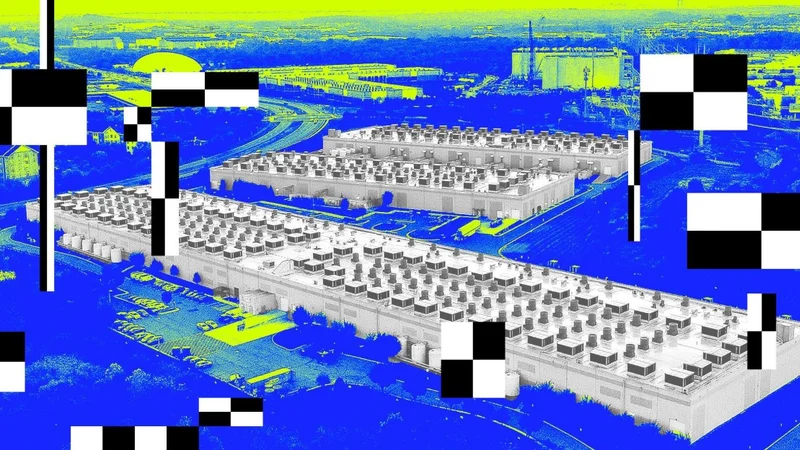
Image: The Verge AI
Main Takeaway
OpenAI says it will stop using NDAs with public officials and cover project-related power and infrastructure costs under a new data center policy.
Jump to Key PointsSummary
OpenAI changes its negotiating rules
OpenAI says it will stop using nondisclosure agreements with public officials during data center negotiations, a sharp shift in how the company plans to pursue large infrastructure projects. The pledge forms part of a National Community Compact and a Compute Campus Policy Blueprint released on November 5.
The commitments address rising opposition to AI server facilities, including complaints about electricity demand, water use, local costs and closed-door negotiations. Bloomberg AI reported that OpenAI wants its framework adopted into laws governing AI expansion. The Verge AI described the policy as a commitment to work more openly with local communities, while OpenAI presented it as a standard for responsible infrastructure development.
Why data center politics intensified
Data center projects have become a local political issue as AI companies seek large quantities of power and land. Voters have backed moratoriums and opposed proposed facilities in multiple communities, creating a direct obstacle to the rapid buildout needed for training and serving AI models.
The debate has centered on who pays for new substations, grid upgrades and electricity, and whether residents receive reliable information before agreements are made. WBAL-TV explained that NDAs have allowed companies and local officials to negotiate privately, while public resistance has grown once projects become known. DCD cited midterm exit polling in which 56% of voters said AI data centers were a crucial or important issue. OpenAI’s policy responds to that pressure by making transparency and local financial protections central to future projects.
What the community compact promises
OpenAI’s framework says communities should not bear the electricity and infrastructure costs created by its projects. The company also says it will provide financial assurances if a planned facility is reduced or canceled, and will pay the full cost of electricity and associated infrastructure for its campuses.
The policy includes broader commitments involving local resources, jobs and community engagement, according to OpenAI’s announcement. The Hill reported that the company is describing its facilities as “compute campuses,” while Bloomberg AI emphasized the pledge to prevent residents from subsidizing power demand. The name change carries political significance because opponents have framed these facilities as industrial server warehouses rather than public-benefit projects. The commitments will matter most in negotiations where local governments must decide whether projected employment and tax revenue justify pressure on utilities and public services.
The limits of a transparency pledge
The NDA change addresses one of the clearest sources of public distrust, but it doesn't settle disputes over siting, environmental impact or long-term demand. OpenAI still needs land, power connections, permitting approvals and partners willing to finance projects whose economics can change quickly.
The policy arrives alongside signs of greater caution in OpenAI’s infrastructure plans. Networkworld reported that the company withdrew from proposed Stargate data center deals in the United Kingdom and Norway within a week, while Reuters AI cited a Wall Street Journal report that Nvidia scaled back a funding guarantee for an Ohio OpenAI facility. Those developments connect community accountability with financial discipline: a company promising guarantees and full infrastructure payments must also decide which projects it can support. The new framework therefore functions as both a public-relations response and a way to establish clearer financial expectations before construction begins.
A campaign aimed at national policy
OpenAI is treating local data center opposition as part of a wider argument about the political future of artificial intelligence. Chris Lehane, the company’s chief global affairs officer, has argued that AI should become a central policy issue before the 2028 presidential election, with government addressing public concerns rather than dismissing them.
TechCrunch AI reported that Lehane has promoted a new social contract around AI, linking public benefits and safeguards to continued expansion. Tom’s Hardware described the campus rebranding and community commitments as elements of a broader campaign to shape the national debate. That strategy puts OpenAI in a delicate position. The company is asking policymakers to support rapid AI infrastructure growth while acknowledging that communities need enforceable protections, public information and assurances against stranded costs.
What happens next for communities
Local governments will test OpenAI’s promises through actual project agreements, utility filings and planning decisions. The key questions will involve how much information is disclosed, whether financial assurances are legally binding, and how the company calculates the infrastructure costs it promises to cover.
The framework also sets a reference point for other AI developers and data center operators. If communities treat OpenAI’s compact as a baseline, competitors will face pressure to disclose negotiations, fund their own power requirements and explain cancellation protections before seeking approval. OpenAI’s revised approach won't remove opposition, but it changes the terms of the argument. Projects now have to show not only that they can supply computing capacity, but also that the surrounding community won't be left holding the bill.
Key Points
OpenAI will stop using NDAs with public officials during future data center negotiations.
OpenAI promises to cover electricity and infrastructure costs tied to its compute campus projects.
OpenAI released community commitments after voter opposition and data center moratorium campaigns intensified.
OpenAI withdrew from proposed European Stargate projects as infrastructure spending faced greater scrutiny.
OpenAI is positioning AI infrastructure as a major policy issue ahead of the 2028 presidential election.
Questions Answered
OpenAI is dropping NDAs to increase transparency with public officials and respond to community opposition. Residents and local governments have criticized private negotiations over electricity demand, infrastructure costs and project impacts.
OpenAI says it will pay the full electricity and infrastructure costs associated with its compute campuses. The company also promises financial assurances if a project is reduced or canceled.
OpenAI’s National Community Compact is a set of commitments for communities hosting future compute campuses. It covers transparency, local resources, jobs, infrastructure costs and protections against residents subsidizing company projects.
OpenAI is calling its planned facilities compute campuses as part of the new policy framework. The rebranding comes amid opposition to large AI server warehouses and an effort to present projects as community-accountable infrastructure.
OpenAI’s withdrawals from proposed Stargate projects in the United Kingdom and Norway show that its infrastructure expansion is being reviewed more cautiously. The decisions coincide with new scrutiny of project costs, financing and long-term commitments.
Source Reliability
50% of sources are highly trusted · Avg reliability: 78
Go deeper with Organic Intel
Simple AI systems for your life, work, and business. Each one includes copyable prompts, guides, and downloadable resources.
Explore Systems