NASA Chief Sets 2028 Moonwalk Deadline Amid Space Race with China
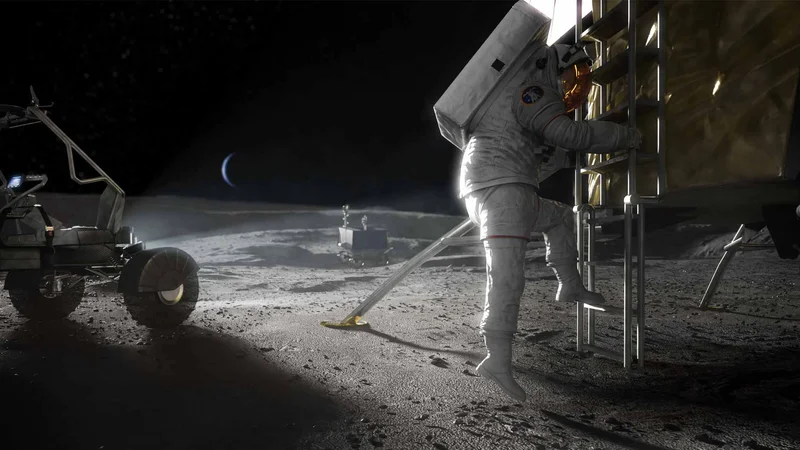
Image: Nhm.ac
Main Takeaway
NASA's Jared Isaacman commits to American moonwalk in 2028 during Artemis IV, outlining talent war with SpaceX and urgent need to beat China's lunar ambitions.
Jump to Key PointsSummary
The 2028 Moonwalk Promise
NASA Administrator Jared Isaacman has locked in 2028 as the year Americans will walk on the moon again. Speaking at Florida's Sun 'n Fun Aerospace Expo, Isaacman confirmed the Artemis IV mission will deliver the first lunar footsteps since 1972. This isn't just nostalgia. NASA's plan involves building a permanent lunar base through the Artemis program, which has already tested its Space Launch System and Orion spacecraft during the uncrewed Artemis I mission in late 2022. The upcoming Artemis II will carry four astronauts (three Americans and one Canadian) on a lunar flyby, marking humanity's first deep space journey in over 50 years.
Why China Changes Everything
The moon race isn't just about exploration anymore. Isaacman told Bloomberg that beating China to establish lunar presence has become a national security priority. China's aggressive timeline and resource ambitions on the moon have turned what was once a scientific endeavor into a geopolitical sprint. NASA's strategy involves not just landing humans, but creating sustainable infrastructure that locks in American influence on the lunar surface. The agency views this as establishing the rules of engagement for lunar activity before competitors do.
The SpaceX Talent War
NASA's biggest challenge isn't technical, it's human. Isaacman openly discussed competing with SpaceX and Blue Origin for top engineering talent, acknowledging that private companies often offer more attractive packages to rocketry experts. The agency has responded by streamlining its hiring processes and partnering more closely with commercial providers. This talent competition extends beyond engineers to include AI specialists who'll program autonomous systems for the lunar base and eventual Mars missions. The irony isn't lost on NASA leadership: they're racing against their own contractors.
New Tech for Old Territory
The 2028 moonwalkers won't wear Apollo hand-me-downs. NASA has commissioned Axiom Space to develop next-generation spacesuits specifically for lunar surface operations. These sleek new suits incorporate lessons learned from both Apollo missions and decades of ISS spacewalks. The Artemis program also includes plans for a lunar space station called Gateway, serving as both a research outpost and staging ground for Mars missions. This represents a fundamental shift from Apollo's flags-and-footprints approach to establishing permanent human presence beyond Earth.
Congress Holds the Keys
Despite technical readiness, NASA's lunar ambitions face political headwinds. Congressional funding remains the critical variable, with each Artemis mission carrying price tags that make Apollo look economical. The agency must navigate Capitol Hill politics while maintaining international partnerships, particularly with Canada and European space agencies contributing to Gateway. Isaacman's background as a billionaire entrepreneur who funded his own space flights gives him unique credibility with both lawmakers and the private sector, but budget battles loom as the 2028 deadline approaches.
What Happens After 2028
The 2028 moonwalk isn't the finish line, it's the starting gun. NASA's lunar base will serve as a proving ground for Mars mission technologies, from life support systems to in-situ resource utilization. The agency envisions continuous human presence on the moon by the early 2030s, rotating crews similar to ISS operations. This permanent lunar infrastructure becomes humanity's stepping stone to Mars, with each Artemis mission testing longer-duration stays and more complex operations. The ultimate goal remains sending humans to Mars, but the moon provides the critical testing ground where failure doesn't mean death 140 million miles from Earth.
Key Points
NASA commits to 2028 moonwalk during Artemis IV mission, first lunar landing since 1972
Space race with China drives urgency for establishing permanent lunar presence and influence
Talent war intensifies between NASA and private companies like SpaceX for top engineers and AI specialists
Next-generation Axiom spacesuits and Gateway lunar station represent major technological leap from Apollo era
Congressional funding remains critical variable despite technical readiness for 2028 deadline
Questions Answered
NASA Administrator Jared Isaacman has confirmed Americans will walk on the moon during the Artemis IV mission in 2028.
Artemis isn't just visiting the moon—it's building permanent infrastructure including a lunar space station (Gateway) and establishing continuous human presence, serving as a stepping stone to Mars.
According to Isaacman, competing with SpaceX and Blue Origin for top engineering talent has become NASA's primary challenge, alongside securing consistent congressional funding.
China's aggressive lunar timeline and resource ambitions have turned moon exploration into a geopolitical competition, with NASA racing to establish American presence and influence before competitors set the rules.
Source Reliability
80% of sources are highly trusted · Avg reliability: 86
Go deeper with Organic Intel
Simple AI systems for your life, work, and business. Each one includes copyable prompts, guides, and downloadable resources.
Explore Systems