Musk revives fraud claims against OpenAI, admits xAI trained Grok on its models
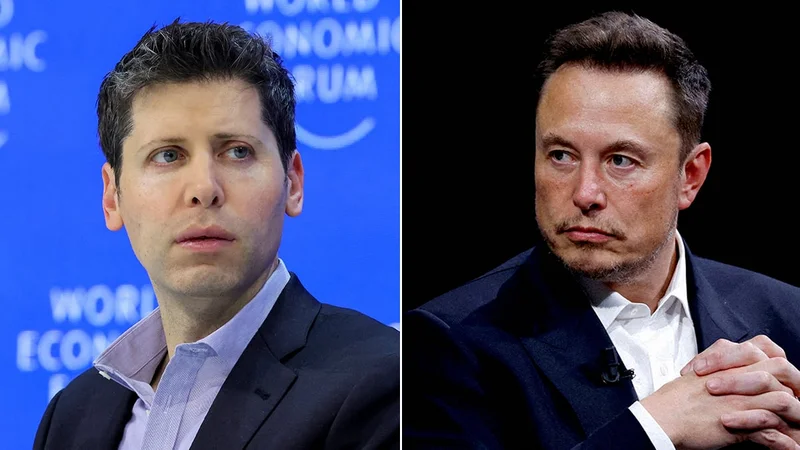
Image: English.elpais
Main Takeaway
Fresh courtroom bombshell: Musk admits under oath that his startup xAI has distilled OpenAI's models to train Grok, complicating his own breach-of-mission lawsuit.
Jump to Key PointsSummary
Musk admits xAI used OpenAI models to train Grok
Elon Musk's fraud trial against OpenAI took a sharp left turn Tuesday when the billionaire conceded under oath that his newer AI startup, xAI, has used OpenAI's own models to train its chatbot Grok. The admission slipped out while Musk tried to downplay the practice as "industry standard," but it landed like a thunderclap in a case built on Musk's claim that OpenAI betrayed its founding mission.
"Everyone does it," Musk said when pressed by OpenAI counsel about model distillation. The phrase instantly became the day's sound bite, echoing across the San Francisco courtroom and into X feeds worldwide.
The Google insult that birthed OpenAI, according to Musk
Musk's origin story hinged on a single conversation with Larry Page in 2014. Page, he testified, dismissed AI safety concerns and "refused to speak to me ever again" after Musk pushed for oversight. The Google co-founder's alleged parting shot — "You're a speciesist" — became Musk's justification for bankrolling a non-profit competitor. "I thought humanity should have an alternative," he said.
Under cross-examination Musk admitted he'd never mentioned the "speciesist" line in earlier depositions, shrugging: "I didn't think it was relevant then." Altman's lawyers pounced, suggesting Musk retrofitted the anecdote for jury appeal. Courtroom sketch artists caught Altman smirking.
2015 emails show Musk's control demands started at founding
A trove of newly unsealed emails from 2015 reveals Musk wasn't just a hands-off funder in OpenAI's early days. Within weeks of the company's incorporation, Musk emailed co-founders demanding "final decision authority" over any research publication. The emails show Musk feared the other founders might "get rich" off safety work he intended as a public good.
The correspondence also captures Musk's growing paranoia about Google's DeepMind. "We need to move faster or they'll have AGI before us and then we're all dead," he wrote in one December 2015 message. The urgency, he now claims, justified his iron grip on the organization.
Judge scolds both sides for Twitter theatrics
Judge Yvonne Gonzalez Rogers opened Tuesday's session by scolding both billionaires for trading Twitter pot-shots over the weekend. "This isn't a marketing campaign," she warned. "Curb your propensity to use social media to make things worse outside the courtroom." The slap-down came after Musk posted a meme of Altman as a James Bond villain and Altman replied with a shrug emoji.
The judge's frustration seemed to peak when Musk's latest X post about the trial appeared on courtroom screens. "Mr. Musk, you're not helping yourself," Rogers said, visibly annoyed. Musk's lawyers quickly asked for a sidebar.
What this means for the fraud case
Legal analysts say Musk's admission about using OpenAI's models could backfire spectacularly. "He's essentially arguing OpenAI strayed from its mission while simultaneously admitting he built a competitor using their own work," noted Stanford law professor Mark Lemley. The contradiction may give jurors reason to doubt Musk's broader narrative about OpenAI's alleged betrayal.
The revelation also opens a potential counterclaim path for OpenAI. If xAI's training methods violated OpenAI's terms of service, Musk could face additional legal exposure beyond the current breach-of-contract suit. For now, OpenAI's lawyers seem content to let the admission hang in the air, saving their ammunition for closing arguments.
Key Points
Musk admitted under oath that xAI used OpenAI's models to train Grok, calling it 'industry standard'
2015 emails show Musk demanded veto power over OpenAI research within weeks of founding
Judge Rogers scolded both Musk and Altman for social media theatrics during trial
Musk's admission could undermine his fraud claim that OpenAI betrayed its mission
Legal experts suggest OpenAI might pursue counterclaims over model usage
Questions Answered
Under oath, Musk conceded that xAI has used OpenAI's models to train its Grok chatbot, describing the practice as standard across the AI industry.
The admission complicates Musk's narrative that OpenAI betrayed its mission, since he's now essentially admitting to using OpenAI's own work to build a competing for-profit AI company.
Beyond the existing breach-of-contract claims, Musk could face intellectual property disputes if xAI's use of OpenAI's models violated any terms of service or licensing agreements.
Source Reliability
47% of sources are highly trusted · Avg reliability: 76
Go deeper with Organic Intel
Simple AI systems for your life, work, and business. Each one includes copyable prompts, guides, and downloadable resources.
Explore Systems