Musk v. Altman trial exposes decade of private messages and power plays
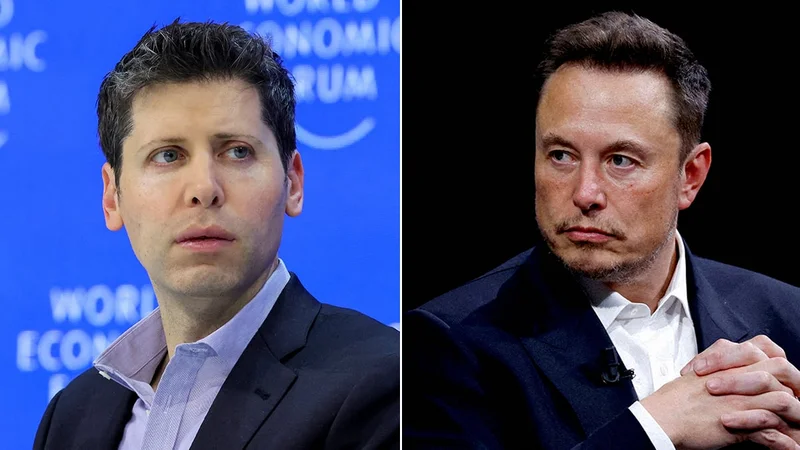
Image: English.elpais
Main Takeaway
Elon Musk's $134 billion fraud suit against OpenAI and Sam Altman starts Monday, promising internal emails and texts that could reshape AI industry power.
Jump to Key PointsSummary
The trial that will spill Silicon Valley's secrets
A federal jury in Oakland will hear opening arguments Monday in Elon Musk's fraud lawsuit against OpenAI and its CEO Sam Altman. According to Law360, U.S. District Judge Yvonne Gonzalez Rogers has already signaled frustration with both sides' "constantly shifting" positions, but refused to dismiss the case after 22 months of pre-trial motions. The trial centers on Musk's claim that OpenAI breached its founding agreement by converting from a non-profit to a capped-profit structure, a move he argues defrauded him of his early $44 million investment.
How a partnership turned into a $134 billion grudge match
Musk and Altman co-founded OpenAI in 2015 as a non-profit counterweight to Google's AI dominance. The Verge reports Musk left in 2018 after Altman rejected his bid to become CEO, leading to a series of escalating conflicts. By 2024, Musk filed suit demanding OpenAI return to its non-profit roots and seeking damages that could exceed $134 billion. Forbes AI documents how the relationship deteriorated through public sniping on X (formerly Twitter), with Altman recently telling reporters Musk "isn't a happy person."
What this means for developers and the AI ecosystem
The trial threatens OpenAI's corporate structure at a critical moment. Business Insider notes that if Musk succeeds, OpenAI would need to unwind its $157 billion valuation and Microsoft partnership. This could force developers currently building on ChatGPT's API to seek alternatives, potentially accelerating adoption of Anthropic's Claude, Google's Gemini, or Musk's own Grok. The case has already influenced AI governance discussions, with several startups telling Bloomberg they're adding explicit non-profit conversion clauses to their founding documents.
The political dimension no one is ignoring
Both billionaires have inserted themselves into Trump administration politics, creating an additional layer of complexity. The New York Post reports that Musk's $290 million inauguration spending and Altman's White House access have turned the courtroom drama into a proxy battle for AI policy influence. Slate argues the feud has already shaped federal AI safety regulations, with both camps lobbying for rules that favor their respective business models.
What happens next regardless of who wins
Even if Musk loses, the trial will force unprecedented disclosure of OpenAI's internal deliberations about AI safety, Microsoft negotiations, and Altman's management decisions. Built In suggests the discovery process alone could provide competitors with strategic intelligence about OpenAI's roadmap. Meanwhile, CNBC reports that OpenAI's board has prepared contingency plans for a potential restructuring if the court rules against them, including possibly spinning out the for-profit arm as a separate entity.
Key Points
Musk's $134 billion fraud lawsuit against OpenAI and Sam Altman goes to trial Monday in Oakland federal court
Case centers on OpenAI's 2019 conversion from non-profit to capped-profit structure, which Musk claims breached founding agreement
Trial will expose internal OpenAI communications and decision-making through discovery process
Verdict could force OpenAI to unwind its $157 billion valuation and Microsoft partnership
Both billionaires actively influencing Trump administration AI policy while running competing AI platforms
Questions Answered
Musk is suing OpenAI and Sam Altman for fraud, claiming they breached OpenAI's founding non-profit agreement by converting to a capped-profit structure. He's seeking damages that could exceed $134 billion and wants the court to force OpenAI back to its original non-profit mission.
The partnership fractured in 2018 when Altman rejected Musk's attempt to become OpenAI's CEO. Musk left the company shortly after, leading to a series of public disputes, rival AI ventures, and ultimately this lawsuit.
If Musk wins, OpenAI might need to restructure or unwind its Microsoft partnership, potentially disrupting API access for thousands of developers. Users could see changes to ChatGPT's capabilities or pricing as the company adapts to a potential non-profit structure.
Opening arguments begin Monday, April 27. The trial is expected to last several weeks, with both sides having completed 22 months of pre-trial discovery and motions. A verdict could come by late May or June depending on the complexity of testimony.
Source Reliability
46% of sources are highly trusted · Avg reliability: 74
Go deeper with Organic Intel
Simple AI systems for your life, work, and business. Each one includes copyable prompts, guides, and downloadable resources.
Explore Systems