Joshua Kushner and Bob Iger Agree to Buy Lakers for Record $12.5 Billion
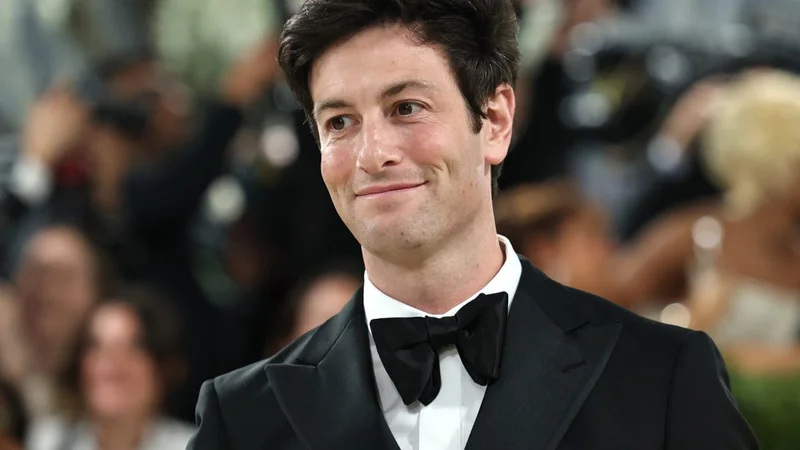
Image: Fortune AI
Main Takeaway
Joshua Kushner and Bob Iger agreed to buy the Los Angeles Lakers for $12.5 billion, setting a U.S. professional sports sale record pending NBA approval.
Jump to Key PointsSummary
The record-setting Lakers deal
Joshua Kushner and Bob Iger have agreed to buy the Los Angeles Lakers from Mark Walter for $12.5 billion, a price that would set a record for a U.S. professional sports franchise. The transaction still requires approval from the NBA’s Board of Governors, making that vote the next formal step before the sale closes.
The deal values the Lakers at 21% more than the $10 billion Walter paid roughly 14 months earlier, according to Fortune. The rapid increase reflects the financial power of the Lakers brand, the scarcity of major sports franchises and investor demand for teams with global audiences, premium media rights and deep cultural reach.
A new ownership partnership
Kushner is joining forces with Iger, the former Disney chief executive whose career centered on global entertainment, media distribution and franchise management. Their partnership combines Kushner’s investment background with Iger’s experience running one of the world’s largest entertainment companies.
The ownership group inherits an organization whose value extends far beyond its basketball roster. The Lakers operate as a sports team, a Los Angeles institution and a worldwide entertainment property. That combination gives the new owners several strategic levers, including sponsorships, media exposure, arena revenue, merchandising and international expansion.
Why Kushner matters
Kushner built his fortune through Thrive Capital, the venture investment firm he founded, and became a prominent backer of technology and artificial intelligence companies. His profile also connects him to OpenAI CEO Sam Altman, who has described Kushner as someone willing to make high-conviction bets and who does not focus heavily on outside opinion.
That investment style provides context for a $12.5 billion sports purchase, although the Lakers deal is a different kind of asset from a venture-backed technology company. A franchise offers established cash flows, a powerful brand and a limited supply of comparable properties. The challenge is preserving the team’s sporting identity while expanding its commercial reach without turning every decision into a marketing exercise.
The Lakers’ Hollywood inheritance
The Lakers have been intertwined with entertainment since Jerry Buss bought the team in 1979. Buss turned professional basketball into a polished Hollywood production, pairing celebrity visibility, star players and a fast-paced presentation that became known as Showtime.
That legacy makes Iger’s involvement especially resonant. The Lakers’ identity was built through the same blend of sport and spectacle that shaped modern entertainment franchises. Walter’s brief ownership period also underscores how quickly elite teams are becoming financial instruments, with ownership stakes changing hands at valuations once reserved for major media companies.
What NBA approval means
The sale cannot be completed until NBA owners approve the transaction. That process is standard for a change in control, but it remains a material condition because the proposed price and ownership structure place the deal at the top of the league’s financial hierarchy.
Once approved, Kushner and Iger will face immediate questions about basketball operations, leadership continuity and the team’s competitive plans. They will also inherit expectations that accompany the Lakers name, including pressure to contend, maintain star power and protect the franchise’s connection to Los Angeles fans. Coverage from Reuters, CNN and NBC Los Angeles describes the transaction as a pending sale rather than a completed transfer.
A signal for sports valuations
The $12.5 billion price sets a new benchmark for American professional sports and gives future sellers a stronger reference point. It also shows how quickly valuations can rise when a globally recognized team reaches the market, even after a recent record transaction.
For the Lakers, the next chapter will be measured by more than the purchase price. Kushner and Iger must translate financial strength into sustained basketball performance, stronger fan engagement and durable revenue growth. The NBA approval timetable and the new owners’ plans for the roster and business operations will determine whether the record deal becomes a model for sports ownership or simply the latest peak in franchise pricing.
Key Points
Joshua Kushner and Bob Iger agreed to buy the Lakers for a record $12.5 billion pending NBA approval.
The proposed Lakers valuation is 21% above Mark Walter’s $10 billion purchase price 14 months earlier.
Bob Iger brings Disney’s entertainment and franchise expertise to the Lakers ownership group.
Joshua Kushner’s Thrive Capital background connects the deal to venture investing and artificial intelligence.
The NBA Board of Governors must approve the ownership transfer before the transaction closes.
Questions Answered
Joshua Kushner and Bob Iger agreed to pay $12.5 billion for the Los Angeles Lakers. The price would establish a record for a U.S. professional sports franchise, subject to NBA approval.
Joshua Kushner and Bob Iger are the proposed new owners of the Los Angeles Lakers. Kushner is a venture investor and Thrive Capital founder, while Iger is the former Disney CEO.
The Lakers sale is significant because its $12.5 billion price sets a new U.S. professional sports valuation record. The amount also exceeds Mark Walter’s $10 billion purchase price from roughly 14 months earlier.
Sam Altman is connected to Joshua Kushner through Kushner’s technology investments and has described him as a high-conviction investor who does not focus on outside opinions. Altman’s comments provide context for Kushner’s willingness to pursue large, concentrated bets.
The NBA Board of Governors still needs to approve Joshua Kushner and Bob Iger’s purchase of the Lakers. The deal remains pending until that ownership review is completed.
Source Reliability
67% of sources are highly trusted · Avg reliability: 83
Go deeper with Organic Intel
Simple AI systems for your life, work, and business. Each one includes copyable prompts, guides, and downloadable resources.
Explore Systems