Google Staff Push Back on Pentagon AI Contracts as Ethical Lines Blur
Image: Bbc
Main Takeaway
Over 580 Google employees demand CEO Sundar Pichai block classified Pentagon AI deals, reviving internal tensions over military use of AI systems.
Jump to Key PointsSummary
What triggered the latest employee revolt
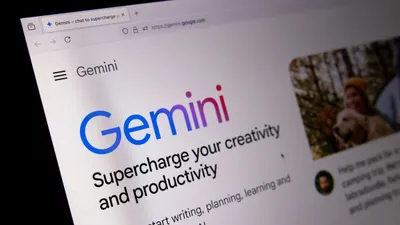
More than 580 Google employees, including 20-plus directors, VPs, and senior DeepMind researchers, signed an open letter to CEO Sundar Pichai demanding the company refuse classified Pentagon AI contracts. According to The Washington Post, the letter specifically targets use of Google's Gemini models on air-gapped military networks where the company cannot monitor how its AI is deployed. This new protest, reported by Bloomberg and Business Insider, marks a significant escalation from the 3,100-employee revolt in 2018 over Project Maven, the drone-footage analysis program that ultimately led Google to decline renewal of that contract.
Why employees see this as different from 2018
The current protest centers on classified environments where traditional oversight becomes impossible. As The Verge reports, once Gemini operates on classified military networks, Google loses visibility into whether its AI is being used for autonomous weapons or mass surveillance. This differs from Project Maven's publicly documented use for drone video analysis. Employees argue that "trust us" becomes the only remaining safeguard when systems operate in military black boxes. The letter specifically references Google's removal of its own AI weapons red lines last year, which the company had established following the 2018 protests.
The Pentagon's escalating AI ambitions
The Department of Defense has significantly expanded its AI initiatives since Project Maven, with classified programs now seeking advanced capabilities like Google's Gemini. The Washington Post notes this represents a shift from basic image recognition to more sophisticated AI applications in military contexts. The Pentagon's approach has become more aggressive following tensions with other AI companies, including Anthropic, creating pressure for Google to fill capability gaps. Defense officials reportedly view Google's AI as crucial for maintaining technological superiority against adversaries like China, making employee resistance a direct challenge to national security priorities.
Internal culture clash at Google DeepMind
The protest reveals deepening fractures within Google's AI research divisions. Over 20 senior DeepMind researchers signed the letter, according to The Next Web, highlighting tensions between pure research culture and defense applications. DeepMind, historically focused on solving intelligence for beneficial purposes, now faces questions about contributing to military systems. The involvement of high-level executives and researchers suggests the opposition extends beyond rank-and-file employees to leadership ranks, potentially complicating Google's ability to recruit top AI talent who prefer ethical research environments.
What happens next for Google's defense strategy
CEO Sundar Pichai faces a critical decision that could reshape Google's defense contracting approach. The company previously established AI principles banning weapons development after the 2018 protests, but quietly removed explicit weapons prohibitions last year. Current contracts reportedly include classified elements, making complete withdrawal potentially costly and politically sensitive. Defense industry analysts suggest Google may attempt to negotiate transparency agreements or establish firewalls between consumer AI and military applications, though employees argue such measures fail in classified environments. The outcome will likely influence how other tech giants approach military AI partnerships.
Key Points
Over 580 Google employees including 20+ executives signed letter opposing classified Pentagon AI contracts
Protest focuses on Gemini use in classified military networks where oversight becomes impossible
Represents escalation from 2018 Project Maven revolt that led to 3,100 employee signatures and contract cancellation
Google quietly removed explicit AI weapons prohibitions last year, contributing to employee concerns
Pentagon views Google's AI as crucial for maintaining technological superiority against global adversaries
Questions Answered
Over 580 Google employees signed the open letter, including more than 20 directors, VPs, and senior DeepMind researchers.
The 2026 protest specifically targets classified Pentagon contracts where Google's AI operates on military networks without oversight, unlike Project Maven's publicly documented drone video analysis.
Once Gemini operates on air-gapped classified networks, Google loses visibility into how its AI is being used, making traditional oversight and safeguards impossible.
Google established AI principles banning weapons development after the 2018 protests, but quietly removed explicit weapons prohibitions last year.
Defense officials see Google's AI as crucial for maintaining technological superiority against adversaries like China, making employee resistance a direct challenge to national security priorities.
Source Reliability
54% of sources are highly trusted · Avg reliability: 79
Go deeper with Organic Intel
Simple AI systems for your life, work, and business. Each one includes copyable prompts, guides, and downloadable resources.
Explore Systems