Apple’s Foldable iPhone Ultra Targets September Launch as Stores Prepare for New Home Products
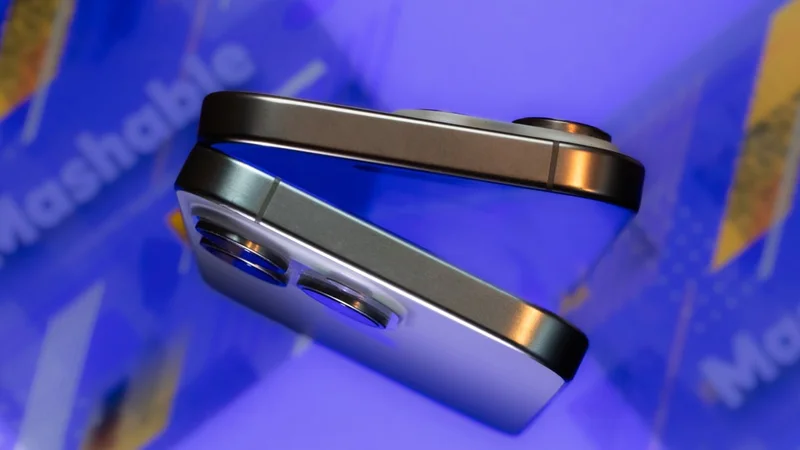
Image: Mashable
Main Takeaway
Apple’s rumored foldable iPhone Ultra is targeting a September 2026 launch above $2,000 as retail stores prepare space for new home products.
Jump to Key PointsSummary
A September launch takes shape
Apple’s first foldable iPhone is targeting a September 2026 debut, with several reports placing the announcement around September 9 alongside the iPhone 18 Pro lineup. Bloomberg’s Mark Gurman provided the timing in a newsletter summarized by Fortune, while CNET, Tom’s Guide and Mashable also describe a launch window this fall. Apple hasn’t confirmed the device, its name or the event date.
The phone is variously called iPhone Ultra, iPhone Fold and iPhone Flip in rumor coverage, though the Ultra name has gained traction in newer reports. The timing would put Apple into a foldable market led by Samsung after years of speculation about the company’s plans.
Hardware rumors point to a book-style phone
The first foldable iPhone is expected to use a book-style design, with a large internal display and a smaller external screen. Reported specifications include a 7.8-inch inner panel, a 5.5-inch cover display, an A20 chip and 12GB of RAM, although those details remain unconfirmed. CNET describes a wider, squat profile resembling Google’s original Pixel Fold.
Touch ID is another recurring detail. The biometric sensor is reportedly moving to the power button because the thin chassis leaves insufficient room for a TrueDepth camera system, according to CNET. That design choice would mark a visible break from recent iPhone models, which use Face ID. Tom’s Guide and Mashable describe production preparations and finalized specifications, while Laptopoutlet.co emphasizes that Apple has made no official announcement.
Premium pricing and limited supply
The rumored foldable iPhone is expected to sit well above Apple’s current flagship pricing, with one analyst estimate placing it between $2,000 and $2,500. Fortune characterizes the device as a $2,000-plus product, a price that would position it as an Ultra-tier experiment rather than a direct replacement for the standard iPhone.
Early availability is also a concern. CNET says recent leaks point to a short supply after launch, while Mashable previously reported component difficulties before a later report from The Elec placed mass production in late July. Those accounts describe a production schedule advancing toward launch, but they also point to the manufacturing challenges of a thin folding device. Display yields, hinge durability and component volumes will shape the phone’s first commercial year.
Apple’s foldable roadmap extends beyond launch
Apple’s foldable strategy reportedly reaches beyond the first model. MacRumors, citing Gurman’s Power On newsletter, says Apple is planning a third-generation foldable iPhone as early as 2028 and describes a major design change arriving with that generation. The first device is expected to establish the book-style format before a later clamshell model enters the lineup.
That roadmap gives the launch broader significance than a single premium phone. Apple’s entry would bring its software, accessory ecosystem and retail reach to a category that has remained relatively small. Tom’s Guide frames the move as a challenge to Samsung’s dominance, while CNET and Laptopoutlet.co describe the device as a new branch of the iPhone family rather than a replacement for existing Pro models.
Stores prepare for a wider home lineup
Apple is also reorganizing parts of its physical stores this fall to make room for new home products. The changes center on the “Avenues,” perimeter display walls in newer stores where HomePod, Apple TV, AirPods, Beats and third-party accessories are shown, according to Ground’s summary of Gurman’s reporting.
The retail changes indicate that Apple’s home strategy is being treated as a product category rather than a small accessory shelf. Bloomberg’s newsletter connects the store work with upcoming home launches, while Ground identifies the affected displays and timing. The reports don’t establish which products will arrive, but the preparation places new emphasis on how Apple presents connected devices in stores.
What happens next
Apple’s next steps are a formal launch event, final pricing and confirmation of availability. The September timing is repeated across multiple outlets, but the device remains a rumor until Apple announces it. Supply constraints will determine whether customers can buy the phone immediately or face limited regional availability.
For consumers, the central tradeoff is clear: a foldable iPhone would offer a larger screen in a pocketable form, but at a price far above conventional iPhones. For Apple, the launch tests whether its brand and ecosystem can make foldables mainstream while the company builds a longer-term product roadmap and expands its retail focus on the home.
Key Points
Apple’s foldable iPhone Ultra reportedly targets a September 2026 launch above $2,000.
Apple’s first foldable iPhone is expected to use a book-style design with 7.8-inch and 5.5-inch displays.
Touch ID may replace Face ID because the rumored foldable chassis leaves limited camera space.
Apple reportedly faces constrained initial supply after component and manufacturing challenges.
Apple retail stores are preparing display changes for new HomePod, Apple TV and other home products.
Questions Answered
Apple’s foldable iPhone Ultra is rumored to launch in September 2026, potentially around a September 9 event. Reports place it alongside the iPhone 18 Pro models, but Apple hasn’t confirmed the date.
Apple’s foldable iPhone is rumored to cost between $2,000 and $2,500. That price would place it above Apple’s conventional flagship phones and position it as an Ultra-tier product.
Apple’s first foldable iPhone is expected to use a book-style design with a large internal display and a smaller outer screen. Rumored specifications include a 7.8-inch inner display and a 5.5-inch cover display.
Apple’s foldable iPhone may use Touch ID in the power button instead of Face ID. The reported reason is that the thin chassis leaves insufficient room for the TrueDepth camera system.
Apple is reportedly changing retail store layouts to create space for new home products. The work focuses on the Avenues, perimeter displays used for HomePod, Apple TV, AirPods, Beats and accessories.
Apple’s reported foldable roadmap includes a later clamshell model and a third-generation device as early as 2028. The third generation is expected to bring a substantial design change.
Source Reliability
63% of sources are trusted · Avg reliability: 74
Go deeper with Organic Intel
Simple AI systems for your life, work, and business. Each one includes copyable prompts, guides, and downloadable resources.
Explore Systems